
Jun 26, 2026Product Knowledge & Guides
Pilates Reformer Maintenance Guide: Wood vs Aluminum
Learn how to maintain Pilates reformers and compare wood vs aluminum maintenance cost, durability, and long-term performance.
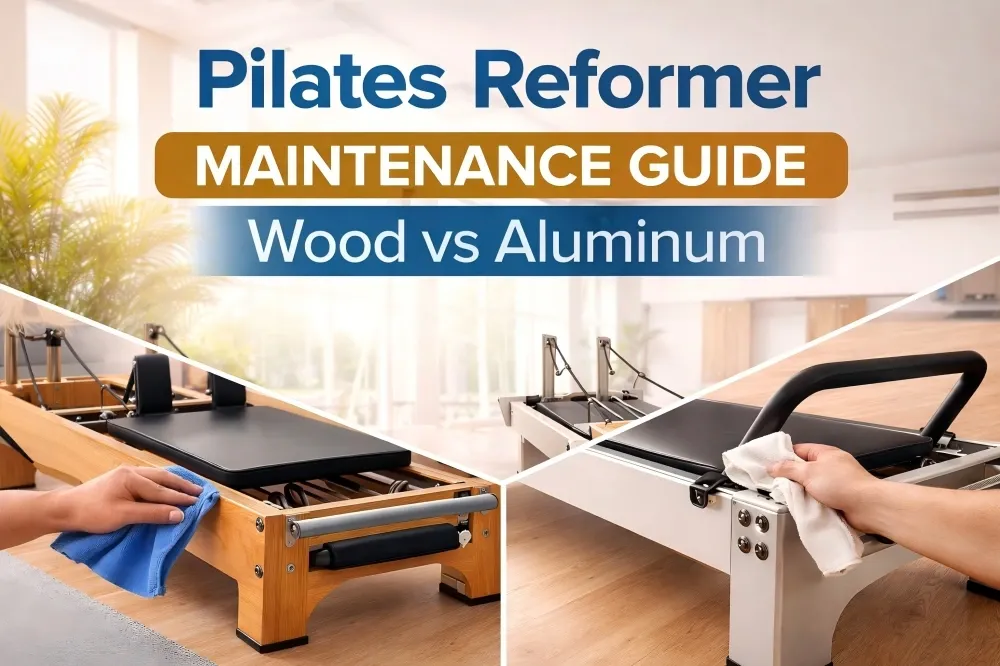
The Truth Most Studio Owners Learn Too Late
I’ve spent over two decades walking through hundreds of Pilates studios worldwide.
And I can tell within ten seconds which ones will succeed — and which will start losing money within two years.
The difference?
👉 Maintenance discipline — and understanding long-term cost.
Most studio owners think maintenance is just about cleaning.
It’s not.
It’s about protecting your investment, your client experience, and your profit.
The day your reformer arrives, the countdown begins.
Whether it lasts 10+ years — or starts creating problems within months — depends on how you manage it.
Wood vs Aluminum: The Maintenance Reality
Before we go into routines, you need to understand one thing:
👉 Not all reformers require the same level of maintenance.
If you’re still deciding between materials, our full comparison of wood vs aluminum Pilates reformers breaks down the key differences in performance, durability, and long-term use.
Wooden Reformers
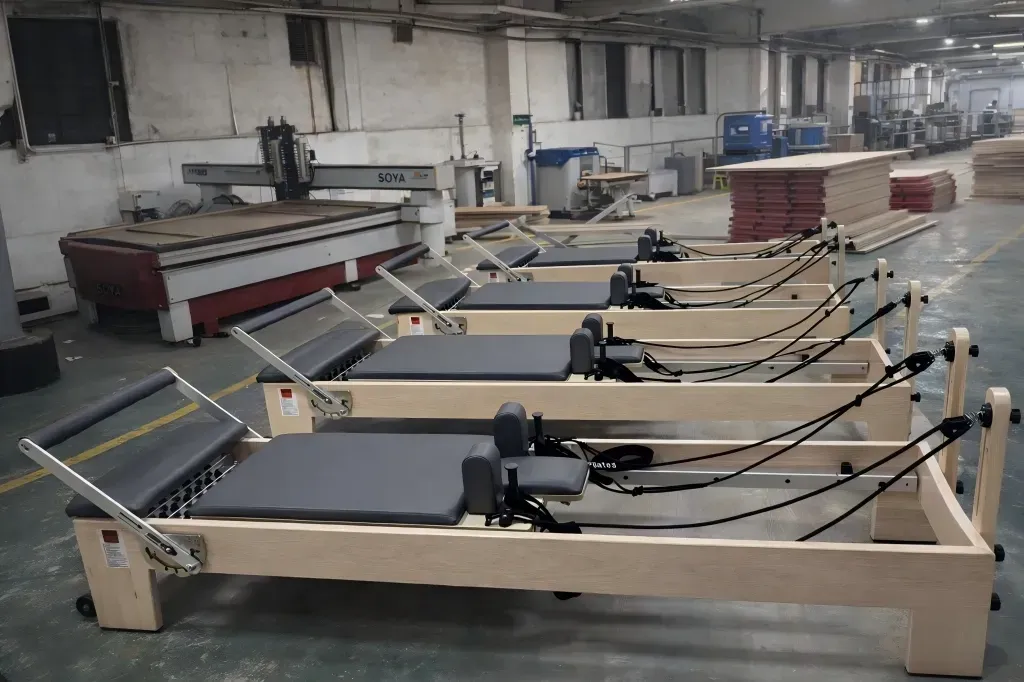
- Natural material (breathes with climate)
- Sensitive to humidity and temperature
- Requires consistent tightening and care
👉 Demands discipline.
Aluminum Pilates Reformers
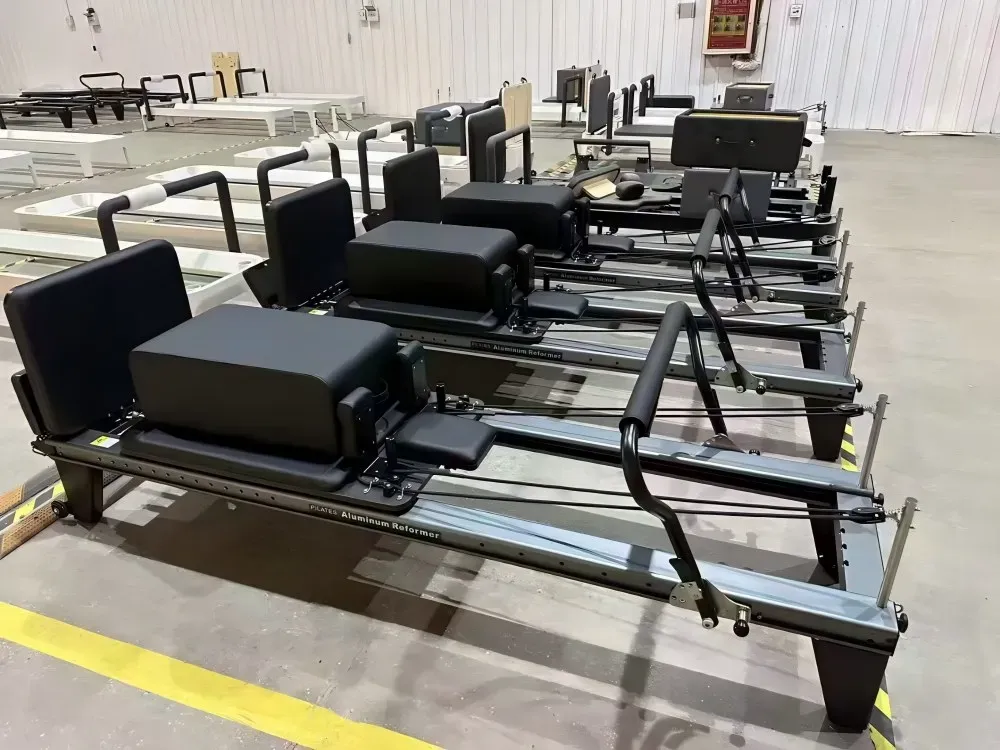
- Engineered for structural stability
- Resistant to environmental changes
- Lower ongoing maintenance workload
👉 Designed for efficiency in high-traffic studios.
For a deeper look at why more studios are switching, see our guide on aluminum Pilates reformers for high-traffic studios 2026.
This is the real difference:
- Wood = higher maintenance involvement
- Aluminum = lower maintenance cost over time
The Wood Frame: Treat It Like Furniture, Not Gym Equipment
If you are using wooden reformers, this is critical.
Wood is a living material.
Sweat is acidic.
Humidity changes structure.
The Right Approach:
- Use a damp microfiber cloth (not wet)
- Use pH-neutral cleaner
- Never soak the frame
The Hidden Check:
Once every quarter:
- Check all bolt connections
- Tighten where necessary
👉 This prevents micro-movements that lead to squeaks and long-term instability.
Tracks and Rails: The Secret to Smooth Performance
This applies to both wood and aluminum Pilates reformers.
Daily Routine:
- Wipe rails after every day of use
- Remove dust, hair, and debris
Even a tiny particle can:
👉 Damage rails → affect glide → reduce client experience
Pro Tip:
- Clean both rails AND wheels
- Avoid grease (dust magnet)
- Use dry silicone if needed
Springs: The Most Overlooked Risk
Springs are not permanent.
They are consumable components.
The Rule:
👉 Replace every 24 months in high-traffic studios
Monthly Check:
- Look for gaps in coils
- Check for rust or deformation
👉 A broken spring is not just damage — it’s a liability risk.
Upholstery: Where Clients Feel Everything
Your client touches this every session.
Bad maintenance = bad experience.
Avoid:
- High alcohol cleaners
- Harsh chemicals
Use:
- Mild soap solution
- Professional equipment wipes
👉 This keeps grip, comfort, and hygiene consistent.
Aluminum vs Wood: Maintenance Workload & Cost
This is where most studios underestimate the difference.
Wooden Reformers:
- Weekly tightening required
- Climate-sensitive adjustments
- Higher long-term maintenance effort
Aluminum Reformers:
- Minimal structural adjustment
- Lower maintenance frequency
- More stable over time
👉 In real operations, this means:
- Less staff time
- Fewer interruptions
- Lower total maintenance cost
What Does Maintenance Cost Over Time?
Most owners never calculate this.
But they should.
Maintenance cost includes:
- Labor time (staff hours)
- Replacement parts (springs, ropes, wheels)
- Downtime (lost classes)
👉 Over 3–5 years:
Maintenance cost can exceed the initial price difference between machines.
This is why experienced buyers evaluate:
👉 Total cost of ownership — not just purchase price
Weekly Owner Checklist (Non-Negotiable)
If you run a studio, do this once per week:
- Check frame stability
- Slide carriage slowly (feel for resistance)
- Test footbar locking system
- Inspect ropes for wear
👉 Small checks prevent big problems.
Why Maintenance Directly Impacts ROI
Maintenance is not just a technical issue.
It directly affects:
- Client retention
- Class quality
- Equipment lifespan
- Studio profitability
If you want to understand the full financial impact, read:
👉 Pilates studio ROI and equipment investment strategy
Final Thought: Maintenance Is a Business Strategy
After 20 years in this industry, one thing is clear:
The best studios are not the ones with the newest equipment — they are the ones that manage it best.
Wood requires care.
Aluminum reduces workload.
👉 The right choice depends on how you run your business.
CTA
If you are selecting equipment for long-term performance:
Recommended Reading for Studio Owners
FAQ (SEO Optimized)
1. How often should a Pilates reformer be maintained?
Daily cleaning and weekly inspection are recommended, with deeper checks monthly and quarterly.
2. Do aluminum reformers require less maintenance?
Yes. Aluminum reformers are more stable and less affected by climate, resulting in lower maintenance workload.
3. What is the biggest maintenance cost?
Labor time, part replacement, and downtime are the biggest hidden costs.
4. How long do reformer parts last?
Springs typically last 2 years in high-traffic use, while other parts vary based on maintenance quality.
5. Is maintenance cost important when choosing a reformer?
Yes. Maintenance cost directly impacts long-term ROI and overall business performance.