
Jun 26, 2026Product Knowledge & Guides
Pilates Reformer ROI: Strategic Business Investment Guide
Learn how investing in quality Pilates reformers, including maple and aluminum, boosts ROI, reduces downtime, and enhances reputation

Pilates Reformer ROI: Strategic Business Investment Guide
When I sit down with studio owners or global distributors, the conversation often starts with the price tag. But after two decades in this industry, I’ve learned that the purchase price is often the most misleading number in your business plan.
If you’re after the cheapest equipment, you don’t need a consultant—you need a search engine. But if you want to build a scalable brand, you need to understand Return on Investment (ROI) and Total Cost of Ownership (TCO).
The real question isn’t how much you pay upfront, but how much your equipment will cost over time. Quality equipment isn’t an "expense"—it’s your strongest hedge against business failure.
1. The "Ghost Cost" of Downtime: Hidden Revenue Losses
Every studio owner fears the "Out of Order" sign during peak hours. When a reformer breaks down, you lose more than just the cost of the session—you lose revenue and client trust.
The math: If you charge $40 per class and one reformer handles 7 classes a day, that’s $280 per day. In a week, that’s $1,960. With low-end equipment, repairs might take longer, compounding the loss.
High-quality reformers like our Maple Wood and Aluminum models are built to last and minimize downtime. With industrial-grade materials, you’ll never have to tell a client, "Sorry, your station is broken."
2. Maple vs. Aluminum: A Strategic Investment
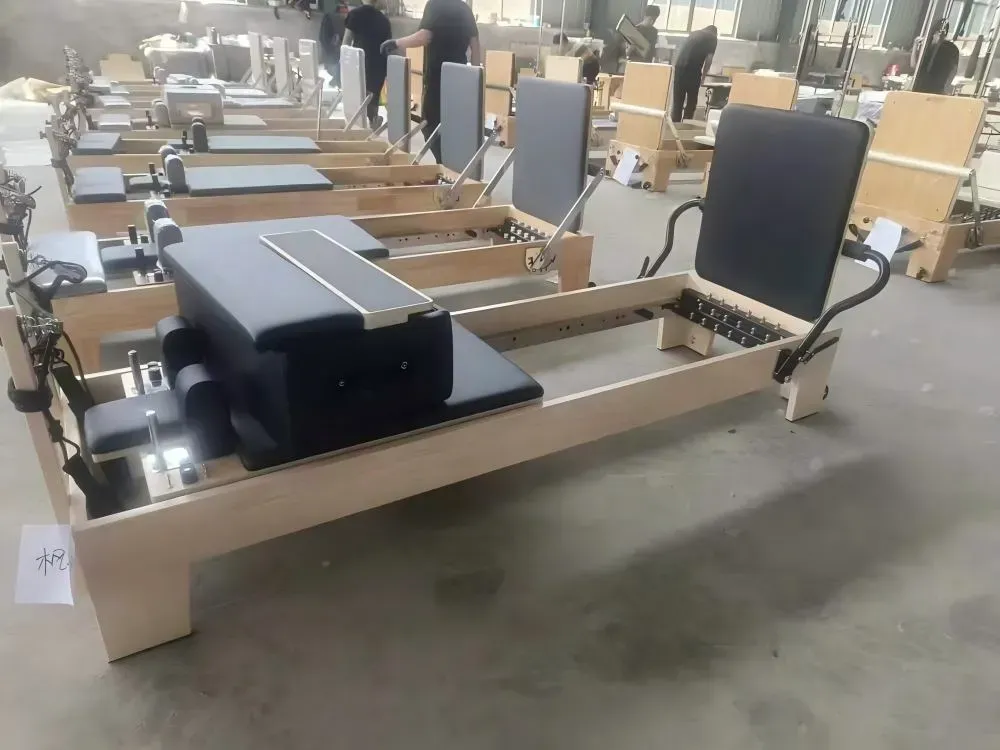
When choosing between materials for Pilates reformers, both Maple and Aluminum offer distinct advantages. Maple is known for its strength and resistance to flexing, which helps maintain structural integrity and ensures a smooth glide over time. It’s particularly suited for high-traffic studios that demand durability.
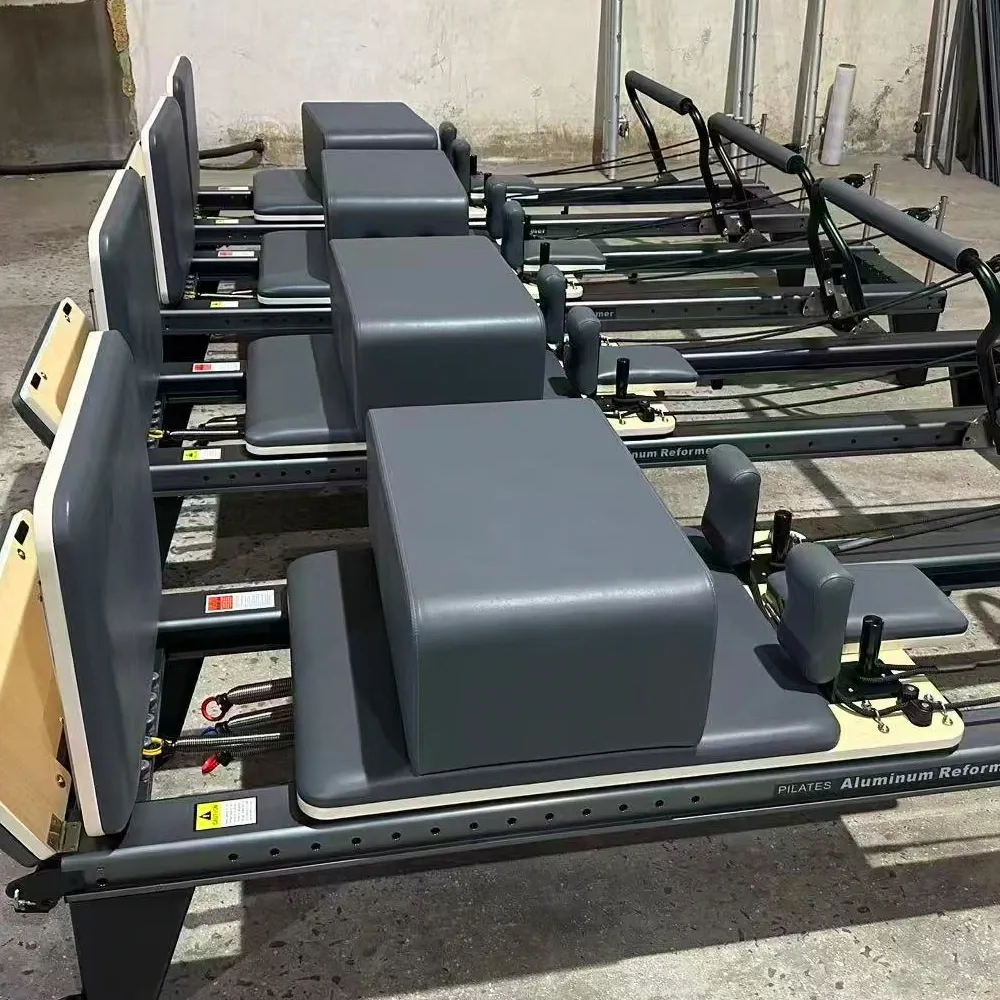
Aluminum, on the other hand, is lightweight, corrosion-resistant, and perfect for humid or fluctuating environments. Its sleek, modern design makes it ideal for studios looking for a contemporary aesthetic, while also offering excellent durability and performance.
Both Maple and Aluminum retain significant value over time, with Maple reformers typically holding 50-60% of their original price after 5 years, and Aluminum reformers offering similar long-term value.
3. Aesthetic ROI: The Visual Power of Quality Equipment
Your studio isn’t just a place to work out—it’s a content studio for clients’ social media. High-quality reformers, whether Maple or Aluminum, don’t just look great; they help elevate your studio’s brand. The "premium" look adds to the overall client experience, which justifies higher class prices.
If a quality reformer lets you raise your class price by just $5 per session, with 2,000 sessions a year, that’s $10,000 in pure profit. The equipment pays for itself in under six months.
4. Liability and Retention: Protecting Your Bottom Line
Quality reformers don’t just offer aesthetic and functional value—they reduce risks. Poor-quality machines can lead to accidents or bad experiences that drive clients away. A snapped spring or wobbly carriage can ruin a client’s perception of your studio.
- Client retention improves when your reformers glide smoothly for years, maintaining the luxury experience your clients expect.
- Safety: A snapped spring or a collapsed frame in class could lead to financial disasters from lawsuits or bad publicity. Investing in top-tier equipment is essentially an insurance policy for your reputation.
5. The Insider’s 5-Year Financial Model
Here’s a quick breakdown of how Maple and Aluminum reformers compare over 5 years.
Financial Metric | Budget/Home Grade | Professional Maple | Professional Aluminum |
|---|---|---|---|
Initial CAPEX | $1,300 | $2,400 | $2,100 |
Repair & Parts (5 Years) | $800+ | $150 | $200 |
Lost Revenue (Downtime) | $1,500+ | $0 | $0 |
Year 5 Resale Value | -$50 (Disposal) | +$1,200 (Asset) | +$1,000 (Asset) |
Total Net Investment | $3,650 | $1,350 | $1,300 |
The conclusion is clear: buying cheap is the most expensive mistake. Investing in quality reformers leads to a much lower total investment over time.
A Message to Wholesale & Franchise Partners
If you’re scaling your business, you need predictability. High-quality reformers eliminate the risks of frequent breakdowns, ensuring your focus stays on expanding your footprint. Our Professional Series Reformers are designed for operators who want to "set and forget," so you can fill your classes without worrying about equipment failure.
Recommended Reading for Studio Owners
Frequently Asked Questions (FAQ)
1. What’s the difference between Maple and Aluminum reformers?
Maple reformers offer a classic, premium feel with excellent structural integrity. They are perfect for upscale studios that want a traditional, luxury look. Aluminum reformers are lightweight, modern, and corrosion-resistant, making them ideal for busy studios or humid environments. Both are durable and retain value over time.
2. Why is investing in high-quality reformers important for ROI?
While high-quality reformers may have a higher initial cost, they save you money on repairs, downtime, and future maintenance. They also provide higher resale value and allow you to charge more for classes, ultimately increasing your profits.
3. How much more can I charge with high-quality reformers?
Investing in premium reformers lets you charge $5-10 more per class, depending on your location and client base. If you run 2,000 sessions annually, this can add $10,000+ in annual profit per machine.
4. Do aluminum reformers require more maintenance than wood?
No, aluminum reformers require less maintenance than wood reformers. They are resistant to rust and corrosion and perform well in humid environments. Maple reformers require occasional care but are also built to last in high-traffic studios.
5. How long do Pilates reformers last?
A high-quality reformer can last 10-15 years or more with proper care. Both Maple and Aluminum reformers are designed for heavy use and, with routine maintenance, will continue to perform for years.
Conclusion: A Smart Investment for the Long Run
Investing in quality Pilates reformers isn’t just a purchase; it’s a smart business decision. Whether you choose Maple or Aluminum, you’re ensuring your studio remains profitable, reduces risks, and provides the best possible experience for your clients. High-quality equipment pays for itself over time—helping you build a reliable, long-term brand.