Jun 26, 2026Product Knowledge & Guides
How to Choose Professional Pilates Reformer Upholstery
Learn how to choose professional Pilates reformer upholstery. Compare PU, PVC, microfiber, foam density, certifications, and long-term durability.
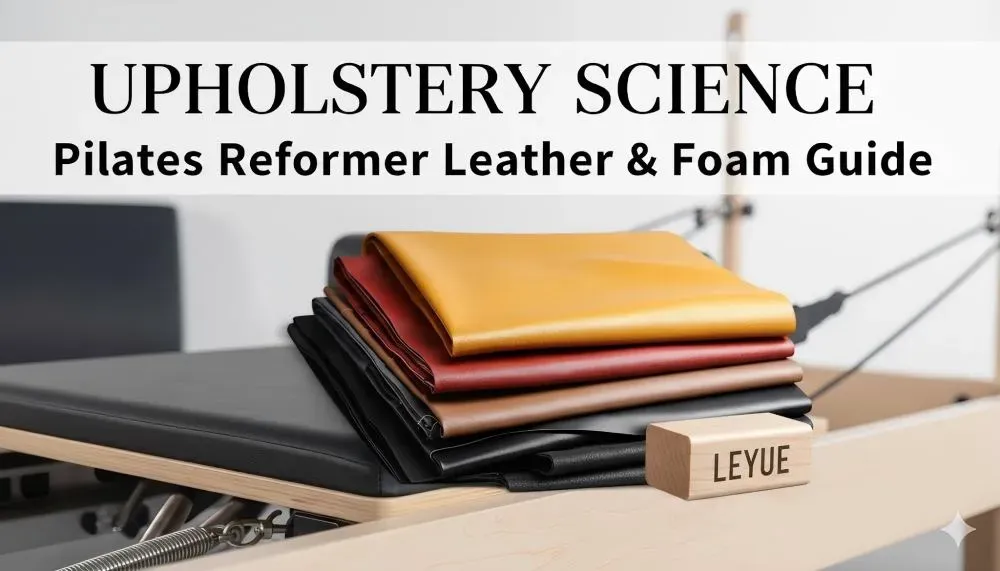
The Silent Dealbreaker: Why Upholstery Quality Defines a Pilates Reformer’s True Value
Imagine a client walking into a premium Pilates studio.
They admire the elegant North American maple frame. They notice the precision-engineered springs. The craftsmanship looks flawless.
But the moment they lie down, they feel it.
A slight dip in the carriage.
A soft instability beneath the spine.
A faint wrinkle forming at the corner.
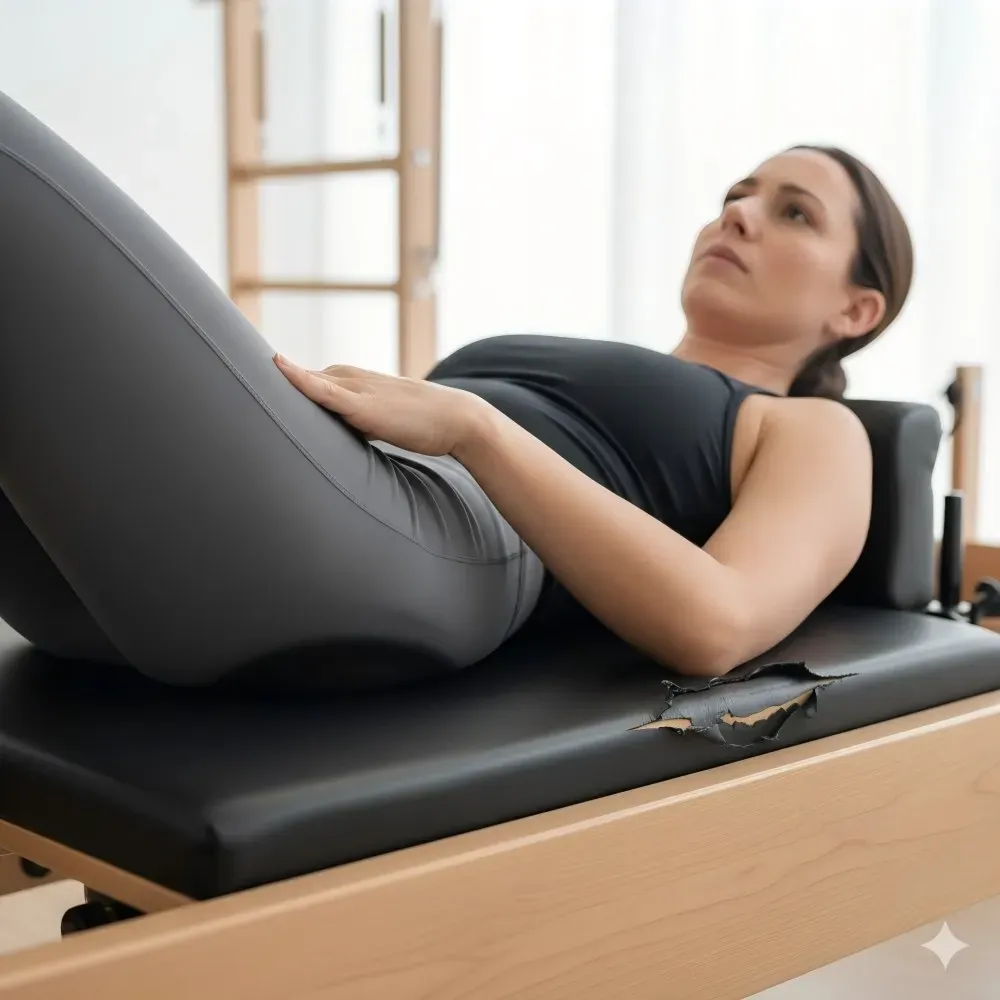
In that split second, the “premium” perception disappears.
In high-end Pilates environments, upholstery is not decorative. It is the primary physical contact surface between equipment and human body. It shapes comfort, hygiene, durability, and brand perception — often more than the frame itself.
At Leyue, after more than 20 years manufacturing reformers for global markets, we have learned one core truth:
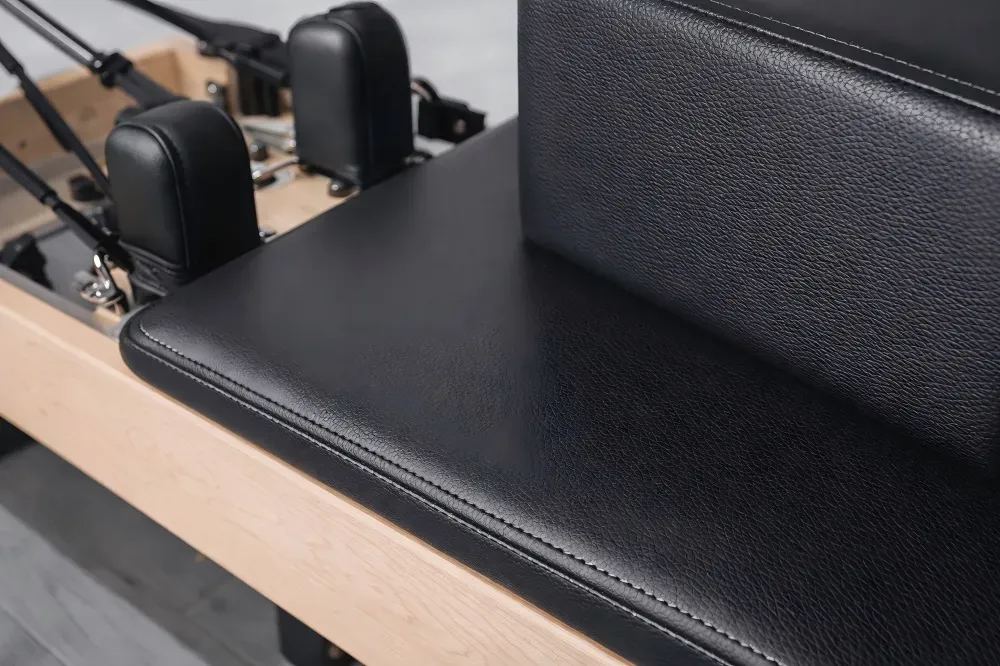
This guide explores the materials, certifications, biomechanical engineering, and long-term cost implications behind professional-grade reformer upholstery — and why it is a strategic decision for wholesalers and studio owners worldwide.
1. The Material Landscape: Understanding the Five Upholstery Categories
Not all “leather” on the market is created equal. In fact, the difference between materials can determine whether a reformer lasts 18 months or 8 years in commercial use.
Below are the five primary upholstery categories found in the global Pilates equipment market.
1.1 PVC (Vinyl): The Budget Option
Structure: Plasticized polyvinyl chloride
Market Tier: Entry-level equipment
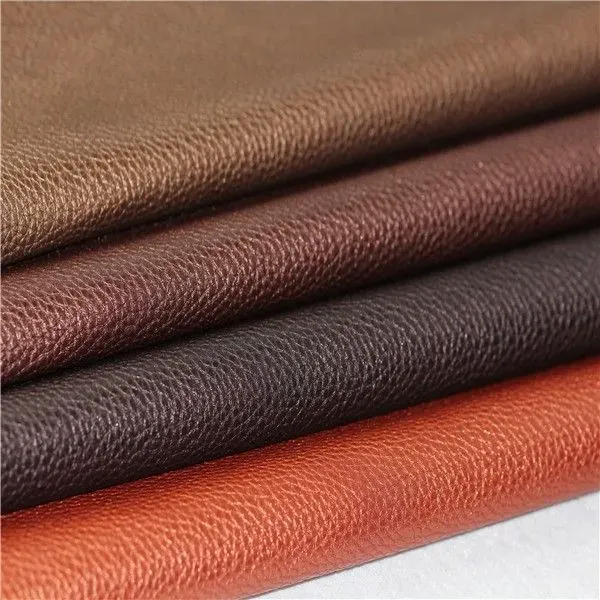
PVC is commonly used in low-cost reformers due to its inexpensive production and thick surface coating.
Advantages
- Low upfront cost
- Strong initial water resistance
- Easy to wipe clean
Structural Limitations
PVC relies on plasticizers to remain flexible. Over time, these plasticizers evaporate — especially in warm climates or under UV exposure.
The result:
- Surface hardening
- Cracking within 12–24 months
- Reduced flexibility
- Poor breathability
PVC also traps heat, creating a “sticky” sensation during long sessions.
Commercial lifespan: 1–2 years
PVC reduces initial procurement cost but significantly increases long-term replacement expenses.
1.2 Standard PU (Polyurethane): The Industry Baseline
Structure: Polyurethane coating bonded to fabric backing
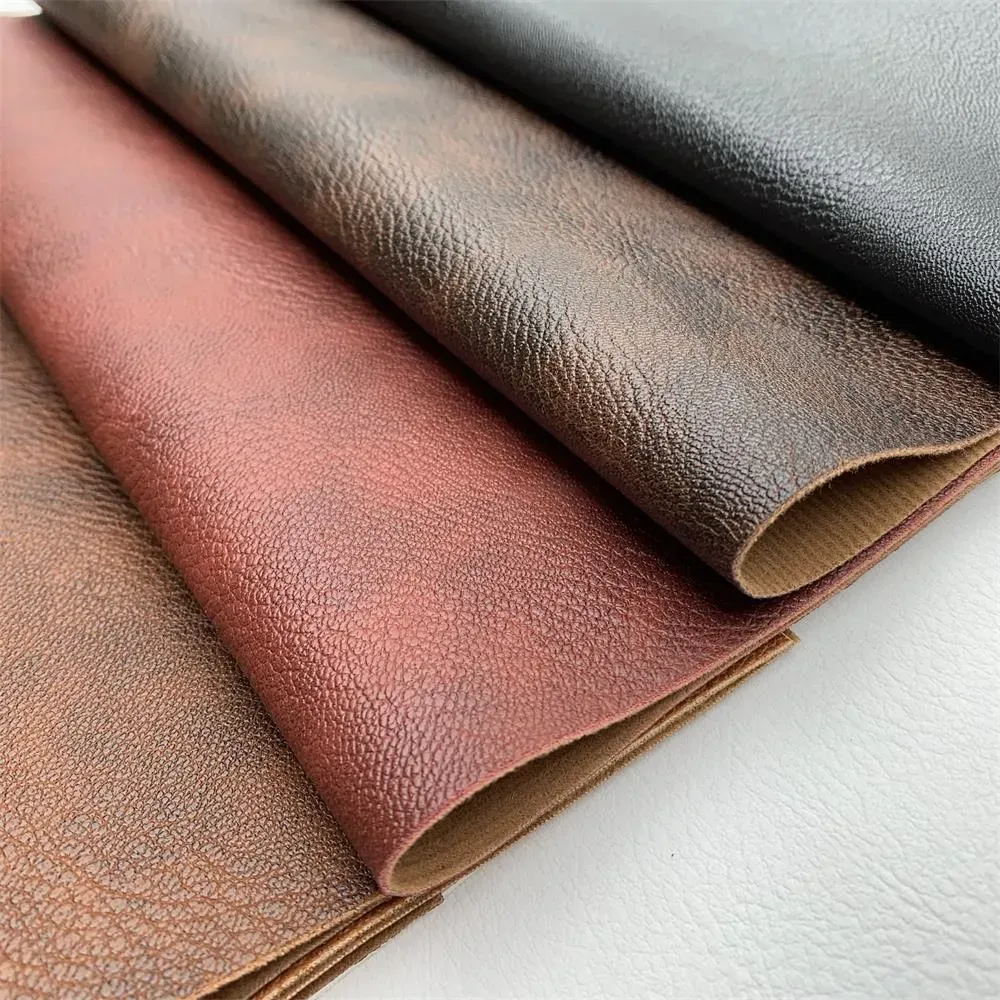
Standard PU leather has become the industry norm for mid-market reformers.
Advantages
- Softer and more flexible than PVC
- Micro-porous structure improves breathability
- Better tactile experience
- Good hygiene performance
Limitations
Quality varies widely depending on manufacturer formulation. Lower-grade PU can:
- Peel under humidity
- Lose elasticity after prolonged compression
- Fade with frequent chemical cleaning
Commercial lifespan: 3–5 years
Standard PU represents a balance between cost and performance — but it is not a uniform quality category.
1.3 High-Grade Medical PU: The Professional Standard
At Leyue, we use medical-grade, hydrolysis-resistant polyurethane developed for high-frequency commercial environments.
This is not “standard PU.” It is engineered for durability under stress.
Engineering Advantages
Breathability
Micro-pores allow air exchange, reducing heat accumulation and sweat adhesion.
Hydrolysis Resistance
Prevents peeling and breakdown in humid environments or hot Pilates studios.
UV Stability
Maintains color integrity under natural light exposure.
Chemical Resistance
Withstands medical-grade disinfectants without surface degradation.
Abrasion Performance
Tested to exceed 100,000 Martindale cycles before visible wear.
Commercial lifespan: 5–8 years
This material is specifically engineered for long-term ROI.
1.4 Microfiber Leather: Premium Synthetic Alternative
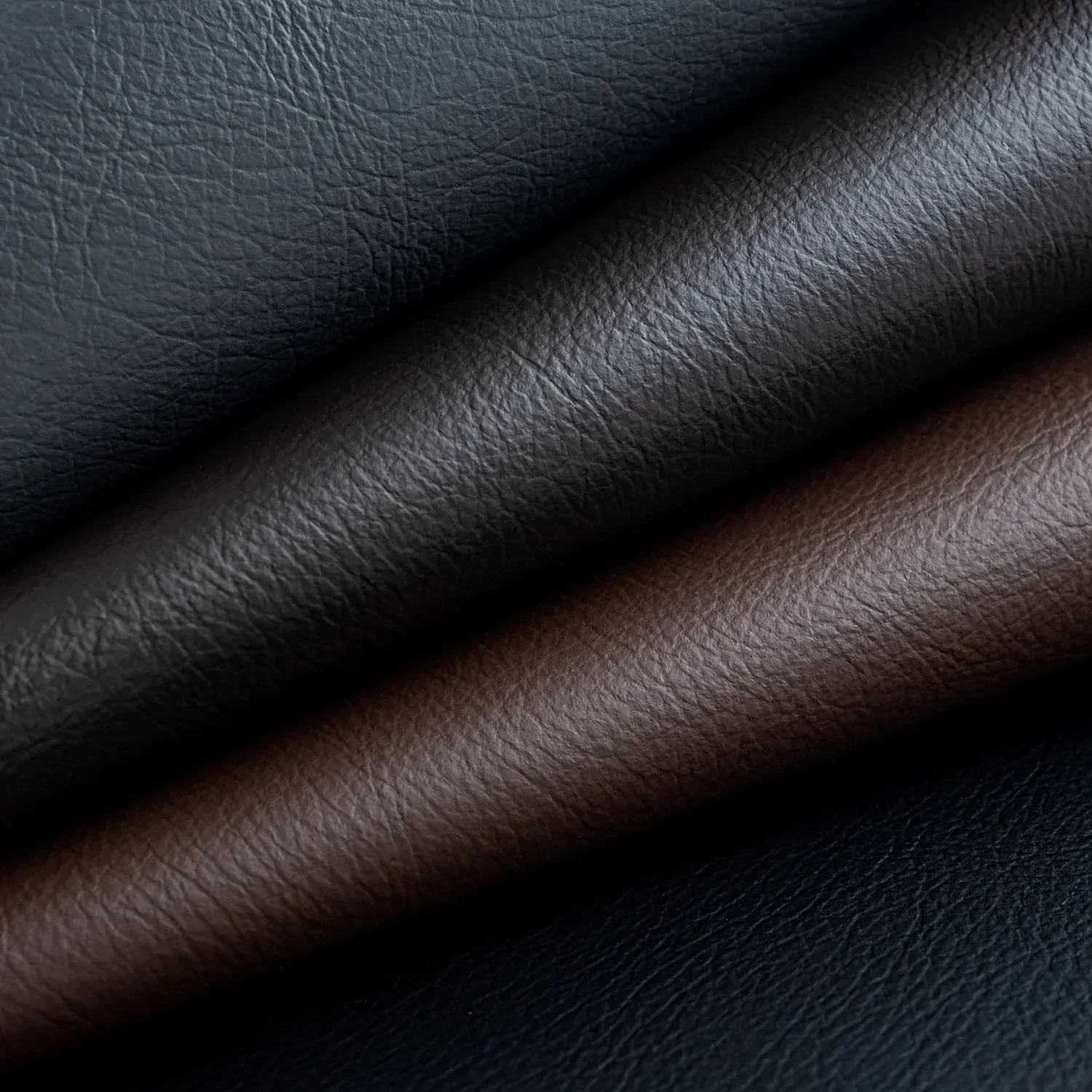
Microfiber leather uses ultra-fine fiber bases that replicate the structure of genuine leather.
Advantages
- Luxurious matte finish
- Exceptional tensile strength
- Superior tear resistance
- Soft, natural hand-feel
Considerations
- Higher production cost
- Slightly more sensitive to sharp objects
Best for: Boutique studios and premium positioning.
Microfiber offers elevated aesthetics while maintaining hygiene practicality — unlike genuine leather.
1.5 Genuine Leather: Prestige with Limitations
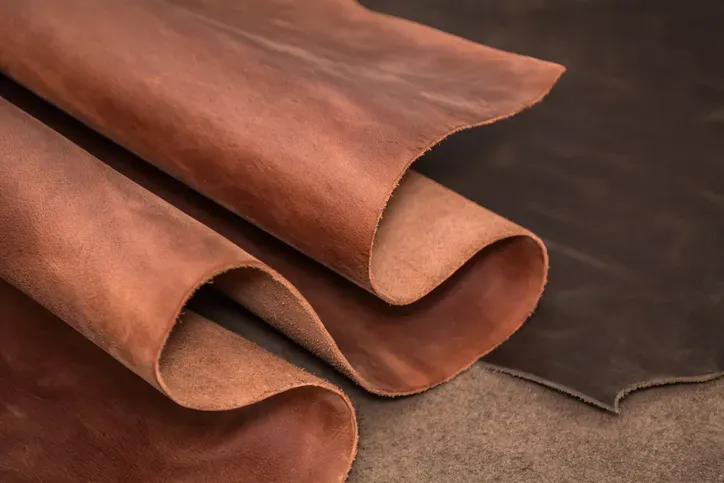
Genuine leather is valued in low-frequency, controlled environments. However, its maintenance requirements and chemical sensitivity limit its practicality in high-traffic commercial studios.
Advantages
- Natural texture
- Strong brand prestige
Limitations
- Absorbs sweat and odors
- Requires conditioning maintenance
- Sensitive to chemical cleaners
- Expensive replacement
Best for: Private home studios, not high-traffic environments.
The Material Matrix: Choosing Your Performance Interface
Selecting the right upholstery is a balance between tactile luxury and operational reality. Use the table below to determine which material aligns with your studio's daily traffic and maintenance protocols.
Material | Key Features | Advantages | Disadvantages | Best Application |
PU Leather | Soft synthetic polymer; flexible and smooth grain. | Excellent tactile comfort; cost-effective; moderate durability; easy to wipe down. | Lower breathability; can peel if cleaned with harsh alcohol-based chemicals. | General Studios & Home Use: Ideal for balanced performance and value. |
PVC Leather | Structured, firm surface with high moisture resistance. | Extreme durability; waterproof and naturally antibacterial; survives heavy-duty disinfectants. | Firmer "plastic" feel; lacks the breathability and softness of PU or Microfiber. | High-Traffic Commercial: Large franchises or humid environments requiring aggressive cleaning. |
Microfiber Leather | High-end synthetic with a structure mimicking real leather. | Premium "Skin-Like" feel; superior breathability; highly resistant to cracking and deformation. | Higher manufacturing cost; requires professional sourcing to ensure quality. | Professional Boutiques: Studios prioritizing both a luxury client experience and 5+ year durability. |
Genuine Leather | Natural hide; porous and breathable texture. | Unmatched tactile comfort; develops a unique "patina" and softens over time. | High maintenance; easily damaged by sweat acidity and bleach; most expensive. | Luxury Private Use: Bespoke, low-humidity environments with dedicated maintenance staff. |
2. Certifications: Why Compliance Is Non-Negotiable
For international wholesalers and distributors, material certification is not optional — it is legally and commercially necessary.
Professional upholstery must meet the following global standards:
Fire Retardancy
CA117 (USA)
Required for commercial furniture compliance in many U.S. states.
BS5852 (UK)
Mandatory for British commercial environments.
Fire compliance directly impacts insurance eligibility for studios.
Chemical Safety
REACH (EU)
Restricts harmful chemicals, heavy metals, and phthalates.
RoHS
Ensures materials are free from toxic substances such as lead and mercury.
These certifications protect both users and distributor liability.
Color Fastness
Measured on a 1–5 scale:
- Grade 2–3 → Fading or bleeding under UV
- Grade 4–5 → High resistance
Professional-grade upholstery should score 4–5, ensuring:
- No color transfer to clothing
- No fading under sunlight
- Resistance to frequent cleaning
3. Foam Biomechanics: The Hidden Architecture of Support
The surface material attracts attention.
The foam core defines the experience.
Most carriage “dips” are caused not by springs, but by low-density foam compression.
Foam Density Comparison
Recycled Sponge (20–30 kg/m³)
- Rapid compression
- Permanent dents
- 1–2 year lifespan
Standard Foam (30–40 kg/m³)
- Moderate resilience
- Noticeable aging after 3 years
High-Density Multi-Layer Foam (45–55 kg/m³)
- Spinal support integrity
- Instant rebound
- Long-term shape retention
- 5–8 year lifespan
At Leyue, we use multi-layer HD foam systems to balance:
- Firm structural support
- Pressure point cushioning
- Long-term elasticity
A professional reformer should return to a perfectly flat state immediately after use.
Pro Tip: The same high-density foam standards apply to essential accessories. Our Professional Pilates Sitting Box features the same commercial-grade multi-layer foam and solid wood frame to ensure it never loses its shape under heavy use.
4. Climate Engineering: Global Market Considerations
Different regions stress upholstery in different ways.
Southeast Asia
High humidity → Requires hydrolysis resistance.
Middle East
Strong UV exposure → Requires UV stabilization.
Europe
Strict chemical regulation → Requires REACH compliance.
North America
Insurance & fire codes → Requires CA117 certification.
Global wholesalers must choose materials aligned with their distribution geography.
5. The True Cost Equation: Initial Price vs Lifecycle ROI
Many purchasing decisions focus on upfront cost.
Professional buyers focus on total lifecycle cost.
Consider:
- Downtime for re-upholstery
- Labor cost
- Shipping replacement parts
- Brand reputation damage
- Customer dissatisfaction
A studio closed for refurbishment loses revenue.
A distributor handling warranty complaints loses trust.
When evaluated over five years:
- Over a five-year evaluation period, lower-cost materials may generate higher total replacement costs.
- High-grade PU delivers the strongest ROI.
- Microfiber supports premium pricing strategy.
The cheapest material is rarely the most economical.
6. Manufacturing Craftsmanship: Where Failures Begin
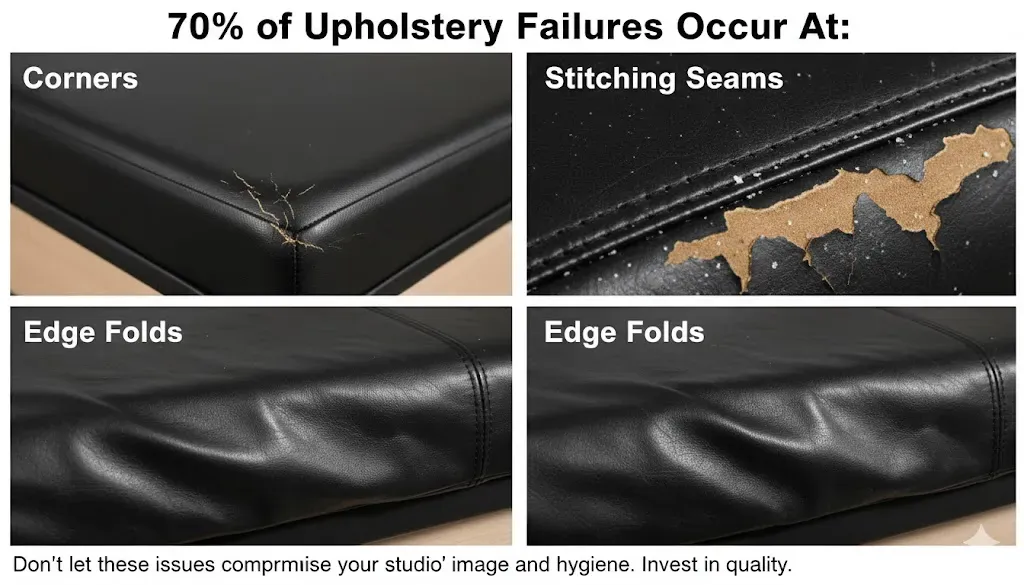
70% of upholstery failures occur at:
- Corners
- Stitching seams
- Edge folds
Professional upholstery requires:
Hand-wrapped corners
Eliminates bulky stress points.
Heat-controlled tensioning
Prevents future wrinkles.
Reduced seam exposure
Minimizes sweat penetration.
Precision stitching
Straight, tight, reinforced.
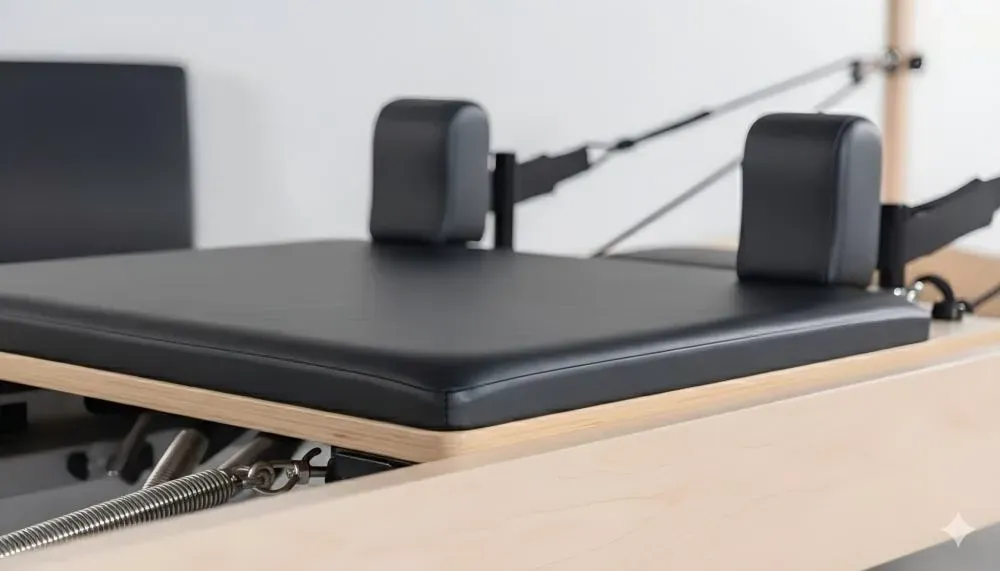
Upholstery is both material science and craftsmanship.
7. Customization: Upholstery as Brand Identity
Upholstery is the most visible branding surface of a reformer.
Professional options include:
- 30+ color palettes
- Matte or textured finish
- Custom logo embossing
- Contrast stitching
- Signature brand colors
For distributors, this allows:
- Market differentiation
- Tiered product strategy
- Visual identity alignment
Your upholstery defines your studio’s visual language before a single exercise begins.
[Check Out Our Custom Options]: See how our premium upholstery looks on the Solid Wood Pilates Box— available in 30+ colors to match your studio's unique brand identity.
8. Maintenance Protocol: Protecting a 10-Year Asset
"While our medical-grade PU is designed to resist sweat and bacteria, the key to its 10-year lifespan is a consistent care routine. Using the wrong chemicals can strip the protective coating of your upholstery. For a step-by-step breakdown on safe cleaning agents and daily protocols, refer to our [Pilates Reformer Maintenance: An Expert’s Longevity Guide]."
9. Strategic Decision Framework for Wholesalers
Before choosing upholstery, ask:
- What climate will this product operate in?
- What cleaning agents will studios use daily?
- What commercial lifespan is required?
- What brand tier are you positioning?
- What warranty level will you offer?
Material selection is not a purchasing detail.
It is a brand strategy decision.
Frequently Asked Questions About Pilates Reformer Upholstery
These are the most common technical questions asked by wholesalers and studio owners when selecting professional Pilates reformer upholstery.
1. What foam density is best for Pilates reformers?
For professional Pilates reformers used in commercial studios, foam density between 45–55 kg/m³ is generally recommended.
Lower-density foam (20–30 kg/m³) tends to compress quickly under repeated loading and may develop permanent indentations within 1–2 years. Medium-density foam (30–40 kg/m³) offers moderate durability but may gradually lose rebound performance in high-traffic environments.
High-density foam (45–55 kg/m³), especially when used in multi-layer construction, provides:
- Strong spinal support
- Immediate rebound after compression
- Long-term shape retention
- Reduced risk of carriage “dipping”
For boutique or low-frequency home use, slightly lower densities may be acceptable. However, for commercial studios operating daily classes, higher-density foam significantly improves lifecycle performance.
2. How long does PU leather last in commercial studios?
The lifespan of PU leather depends on material grade, cleaning protocol, and environmental conditions.
In commercial Pilates studios:
- Standard PU typically lasts 3–5 years
- High-grade, hydrolysis-resistant PU can last 5–8 years
Key factors affecting durability include:
- Frequency of chemical disinfection
- Humidity and temperature levels
- UV exposure
- Surface tension and installation quality
Medical-grade or hydrolysis-resistant PU is specifically engineered to resist peeling, cracking, and elasticity loss in high-frequency environments. Proper cleaning with manufacturer-approved disinfectants can significantly extend lifespan.
3. Is PVC suitable for humid climates?
PVC (vinyl) has strong initial water resistance, but its long-term performance in humid climates can be limited.
PVC relies on plasticizers to maintain flexibility. In hot or humid environments, these plasticizers may gradually migrate or evaporate, leading to:
- Surface hardening
- Cracking within 12–24 months
- Reduced flexibility
Additionally, PVC tends to trap heat and may feel less breathable during extended sessions.
For humid regions such as Southeast Asia, hydrolysis-resistant PU is typically preferred due to its improved moisture stability and flexibility retention.
4. What certifications are required for Pilates studio insurance compliance?
Certification requirements vary by region, but the most commonly required standards include:
Fire Retardancy Standards
- CA117 (United States) – Required for many commercial furniture applications
- BS5852 (United Kingdom) – Mandatory for commercial environments
Fire compliance is often directly linked to studio insurance eligibility.
Chemical Safety Compliance
- REACH (European Union) – Restricts hazardous chemicals and heavy metals
- RoHS – Limits toxic substances such as lead and mercury
Color Fastness & Performance Testing
Professional upholstery should demonstrate:
- UV resistance (Color fastness Grade 4–5)
- Abrasion resistance (e.g., Martindale testing)
Distributors and wholesalers should verify certification documentation before importing or supplying equipment to regulated markets.
Conclusion: Invest in Longevity, Not Replacement
A reformer’s frame may last decades.
Its upholstery defines whether it still looks premium after five years.
For wholesalers, premium upholstery reduces warranty claims and increases distributor confidence.
For studio owners, it protects brand perception and insurance compliance.
For end clients, it ensures comfort, hygiene, and trust.
Upholstery is not simply a surface covering.
It is a biomechanical interface engineered for performance, safety, and longevity.
When chosen strategically, it becomes a silent salesperson — reinforcing quality every time a client lies down.
Beyond reformers, explore our full range of accessories, including the [Commercial Grade Sitting Box] engineered for comfort