
Jun 26, 2026Product Knowledge & Guides
Single Track vs Full Track Pilates Reformer: Which Is Better?
Compare single track and full track Pilates reformers. Learn stability, durability, and why studios prefer single track systems.
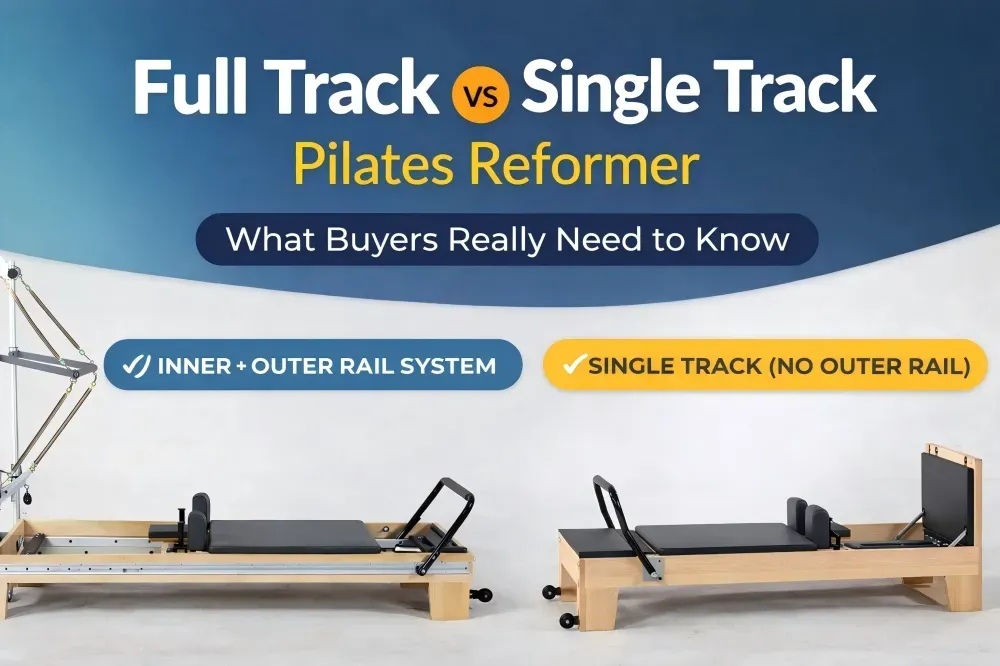
🧘♀️ Full Track vs Single Track Pilates Reformer: Which Is Better?
Introduction
When selecting a Pilates reformer for a studio or professional training environment, one of the most important decisions is the rail system structure.
In today’s market, two main systems dominate:
- Full Track Reformer (dual-side rail system)
- Single Track Reformer (central rail system)
Both are widely used in commercial Pilates studios, but they are designed with different priorities in mind.
Understanding their real-world differences is essential for studio owners, instructors, and distributors who need to balance performance, durability, and client experience.
🟦 What Is a Full Track Pilates Reformer?
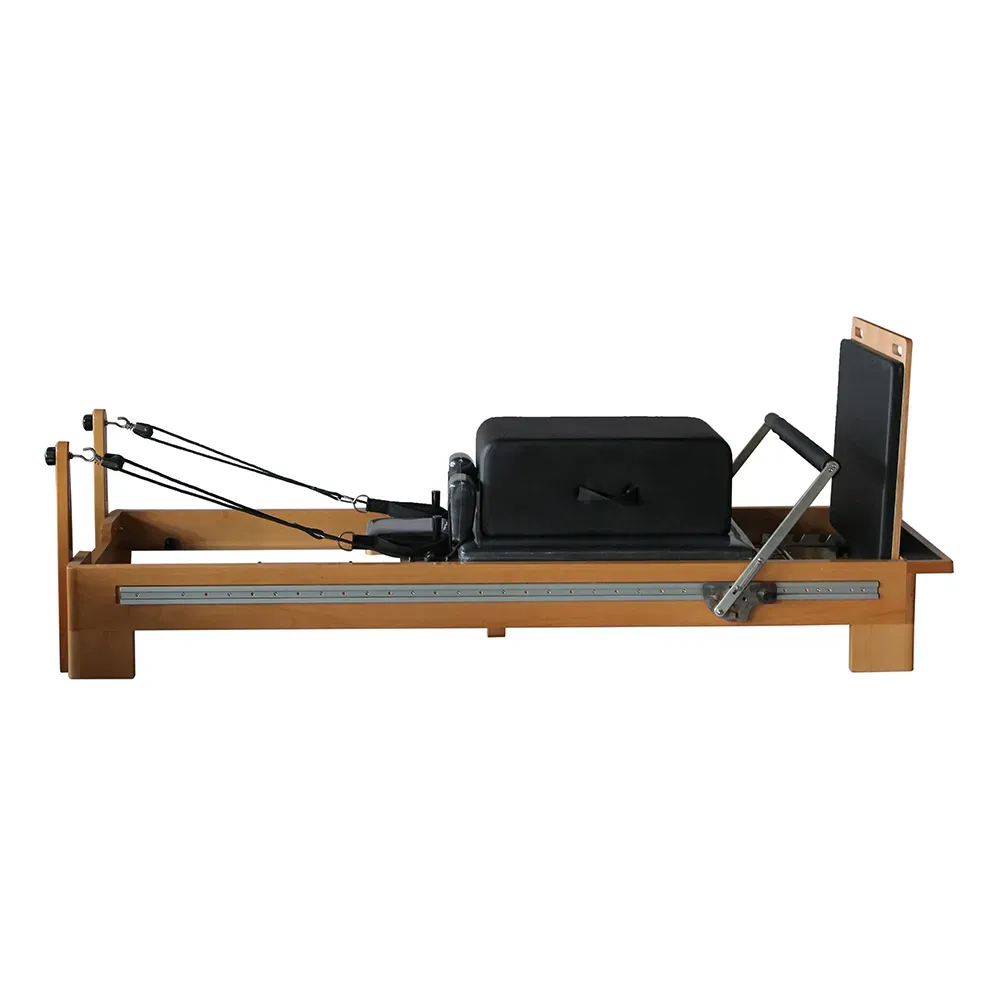
This traditional system is still widely used in commercial studios and rehabilitation centers.
Key Characteristics:
- Dual rail support on both sides
- Wider structural base
- Strong exercise adaptability
- More adjustment points for accessories
🔧 Core Advantage: High Exercise Flexibility
One of the most important advantages of Full Track systems is movement versatility.
Because of the external rail structure, instructors can typically adjust:
- Footbar positions across a wider range
- Spring and resistance configurations
- Movement angles for different exercises
This makes Full Track systems particularly useful for studios that focus on diverse programming and instructor-led classes.
👉 In many professional environments, Full Track systems are valued for their ability to support more exercise variations and teaching styles.
📌 Real Industry Insight (Important)
According to industry usage patterns and supplier data, Full Track systems are still widely installed in:
- Traditional Pilates studios
- Large group training environments
- Rehabilitation-focused facilities
However, market demand is gradually shifting toward newer structural designs, especially in premium segments.
⚠️ Limitation: Long-Term Stability Consideration
While Full Track systems offer strong versatility, there is a known long-term consideration:
👉 With extended high-frequency use, some systems may experience:
- Slight rail alignment drift
- Minor carriage wobble over time
- Increased maintenance requirements
This is not a design flaw, but a mechanical reality of multi-contact rail systems under heavy usage.
🟩 What Is a Single Track Pilates Reformer?
A Single Track Reformer uses a central rail system where the carriage moves along one reinforced track.
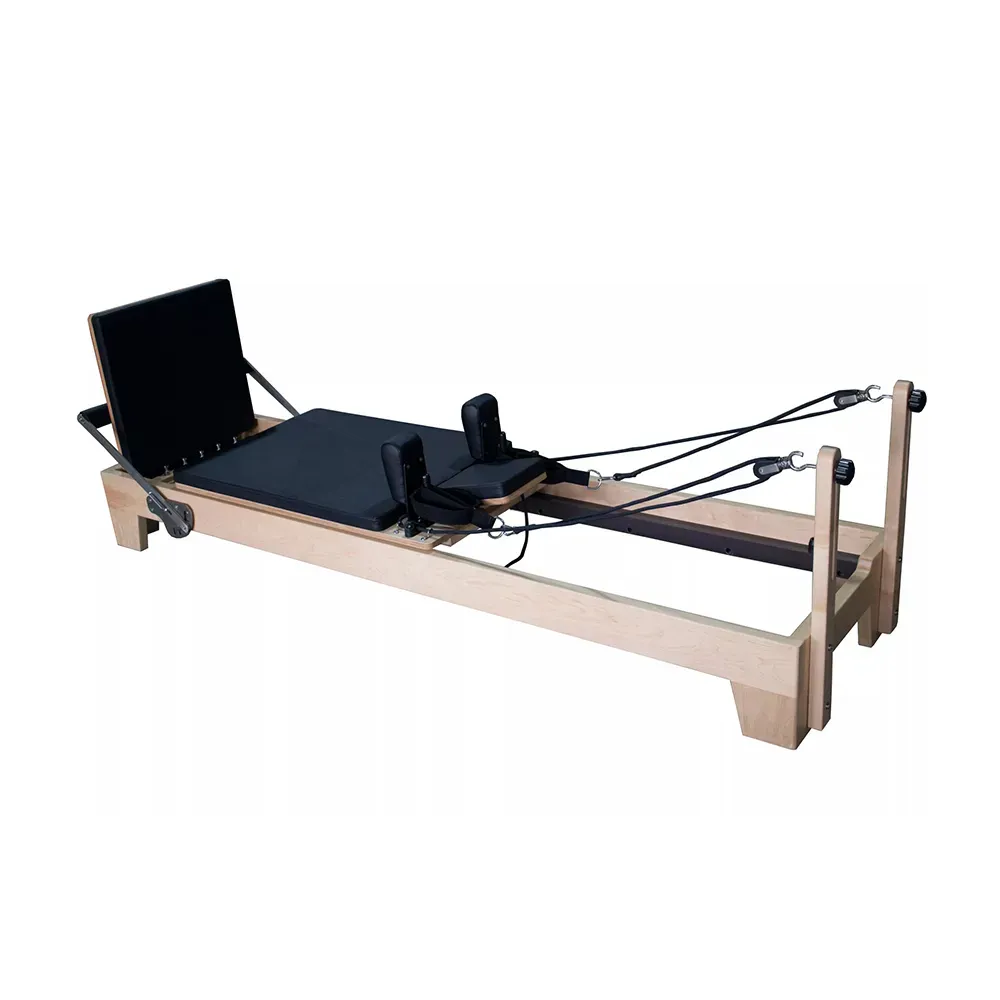
This design focuses on alignment precision and movement consistency.
Key Characteristics:
- Central rail structure
- Minimal external components
- Streamlined mechanical system
- Increasingly used in boutique studios
🔧 Core Advantage: Movement Consistency
Single Track systems are designed to deliver:
- Stable carriage alignment
- Smooth and consistent glide
- Reduced lateral deviation
This creates a more controlled movement experience, especially important in:
- Precision training
- Rehabilitation Pilates
- Advanced control-based workouts
📌 Maintenance Advantage
Due to fewer mechanical contact points:
- Lower long-term maintenance needs
- Fewer alignment adjustments
- Simplified structural upkeep
This is one reason why many high-frequency studios are adopting this system.
🟨 Full Track vs Single Track: Side-by-Side Comparison
1. Exercise Flexibility
- Full Track: Higher adjustability, more exercise variations
- Single Track: More structured, fewer adjustment points
👉 Advantage depends on teaching style
2. Movement Quality
- Full Track: Functional and versatile
- Single Track: More consistent and refined glide
👉 Different training philosophies
3. Long-Term Stability
- Full Track: May require periodic alignment checks in heavy use
- Single Track: More stable over long-term intensive use
👉 Slight advantage: Single Track
4. Maintenance Requirements
- Full Track: More mechanical components
- Single Track: Simpler structure, lower maintenance
👉 Advantage: Single Track
5. Market Adoption Trend (Very Important)
Based on current global Pilates equipment trends:
- Full Track systems still hold a large installed base worldwide
- Single Track systems are growing faster in premium and export markets
👉 This indicates a market segmentation rather than replacement
6. Studio Application
Use Case | Better Fit |
|---|---|
Traditional Pilates studios | Full Track |
Boutique / premium studios | Single Track |
Instructor-heavy programming | Full Track |
Precision & rehab training | Single Track |
High-frequency commercial use | Single Track (growing preference) |
🧠 Industry Insight (Balanced View)
The Pilates equipment market is not moving toward a single standard.
Instead, it is clearly splitting into two directions:
🟦 Full Track Systems
Focus on:
- Exercise versatility
- Teaching adaptability
- Traditional studio structure
🟩 Single Track Systems
Focus on:
- Movement precision
- Structural simplicity
- Long-term consistency
🧘 How to Choose the Right System?
Choosing between Full Track and Single Track should depend on your studio strategy:
Choose Full Track If:
- You need maximum exercise variation
- You run instructor-led group classes
- You prefer traditional Pilates programming
- You want more adjustment flexibility
Choose Single Track If:
- You prioritize movement precision and consistency
- You operate a boutique or premium studio
- You want lower long-term maintenance
- You focus on controlled, technique-based training
🧩 Conclusion
Both Full Track and Single Track Pilates reformers are widely used in professional environments.
They are not competing systems, but two different design philosophies:
- Full Track = flexibility and programming variety
- Single Track = precision and movement consistency
As the industry evolves, many studios are choosing based on their teaching style and client positioning, rather than replacing one system entirely.
❓ FAQ
1. Is Full Track or Single Track better?
Neither is universally better. They serve different studio needs.
2. Why do studios still use Full Track systems?
Because they offer greater exercise flexibility and teaching adaptability.
3. Why are Single Track systems becoming more popular?
Due to their consistency, lower maintenance, and premium studio positioning.
4. Does Full Track become unstable over time?
In high-frequency use, some systems may require alignment adjustments over time.
5. Which system is better for commercial studios?
Both are used, but many premium studios are increasingly adopting Single Track systems.