
Jun 26, 2026Product Knowledge & Guides
Beginner’s Guide to Choosing Pilates Equipment for a New Studio (2026)
Planning to open a Pilates studio? Learn how to choose between wood or aluminum reformers, Reformer vs Tower vs Cadillac, and the best Pilates equipment setup for new studios in 2026.
Beginner’s Guide to Choosing Pilates Equipment for a New Studio (2026)
Opening your first Pilates studio is exciting — but it can also feel overwhelming.
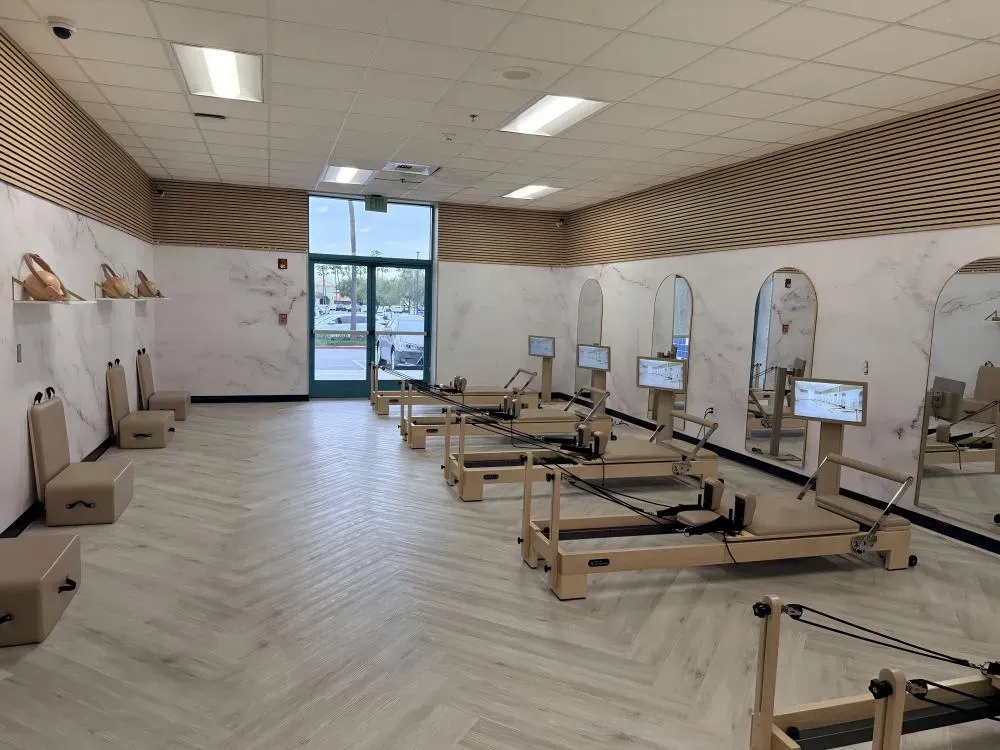
Should you choose wood or aluminum reformers?
Do you really need a Cadillac in the beginning?
How many reformers should a startup studio buy?
Which accessories are actually worth investing in first?
For many new studio owners, equipment purchasing becomes one of the biggest startup expenses and one of the hardest decisions to make.
After working with Pilates studio buyers from different markets, we’ve noticed something important:
The most successful studios are usually not the ones that buy the most equipment first. They are the ones that build strategically based on their space, business model, and client positioning.
In this guide, we’ll break down:
- Wood vs aluminum Pilates reformers
- Reformer vs Tower vs Cadillac
- How to choose Wunda Chair, Spine Corrector, and Ladder Barrel
- Equipment combinations for different studio sizes
- Common mistakes first-time studio owners make
- A real startup case from a boutique Pilates studio in the Philippines
If you are planning to open a Pilates studio in 2026, this guide will help you make smarter equipment decisions from the beginning.
1. Wood vs Aluminum Pilates Reformers: Which Should You Choose?
This is usually the first major equipment decision for new studio owners.
The truth is:
Wood reformers are not automatically “better,” and aluminum reformers are not automatically “lower-end.”
They simply fit different business models and studio environments.
Wood Pilates Reformers: Premium Feel & Long-Term Stability
Wood reformers — especially beech or maple models — are often considered the classic choice for professional Pilates studios.
Why Many Boutique Studios Prefer Wood Reformers
Many boutique studios prefer wood Pilates reformers because of their premium visual appeal and long-term commercial durability. For studios with limited startup budgets, some owners choose to combine premium wood machines with more flexible commercial aluminum reformers to balance aesthetics and operational efficiency.
1. Smoother & Quieter Training Experience
High-quality wood naturally absorbs vibration during carriage movement.
This creates:
- smoother sliding
- quieter operation
- stronger stability during classes
In group training environments, this can significantly improve overall client experience.
2. Strong Premium Visual Appeal
Wood reformers help create:
- warm studio atmosphere
- luxury boutique feeling
- timeless Pilates aesthetics
For studios targeting:
- private training
- rehabilitation
- female wellness
- premium memberships
wood equipment often supports stronger brand positioning.
3. Excellent Long-Term Commercial Durability
Commercial-grade wood reformers are built for:
- daily commercial usage
- long operational lifespan
- stable structural performance
Many professional studios continue using them for years.
Things to Consider Before Buying Wood Reformers
Higher Initial Investment
Wood reformers generally cost more than aluminum models.
For first-time studio owners, this may increase startup pressure.
Heavier & Harder to Move
Once installed, wood reformers are less flexible for layout adjustments.
This matters for:
- small studios
- shared spaces
- multi-functional rooms
Aluminum Pilates Reformers: Flexible, Modern & Startup-Friendly
Aluminum reformers have become increasingly popular in modern Pilates studios.
Especially for:
- startup studios
- urban boutique spaces
- home studios
- flexible training environments
they offer excellent practicality.
Why Many New Studios Choose Aluminum Reformers
1. Easier Transportation & Space Management
Aluminum reformers are lighter and easier to reposition.
Many commercial models also support:
- foldable structures
- wheels
- easier installation
This is especially useful for smaller studios where space flexibility matters.
2. Modern Studio Aesthetic
Aluminum reformers work very well with:
- minimalist interiors
- modern architecture
- industrial-style spaces
They often attract younger urban clients.
3. Better Startup Cost Control
For many first-time studio owners, aluminum reformers reduce the financial barrier to opening a studio.
This allows owners to preserve budget for:
- interior design
- marketing
- branding
- social media promotion
- instructor hiring
These investments are often just as important as the equipment itself.
The Most Important Factor: Manufacturing Quality
The performance of aluminum reformers depends heavily on:
- rail engineering
- bearing systems
- welding quality
- carriage precision
Poorly manufactured aluminum reformers may create:
- unstable sliding
- rail noise
- shaking
- long-term maintenance issues
This directly affects customer experience.
Wood vs Aluminum Reformers: Quick Comparison
Feature | Wood Reformer | Aluminum Reformer |
|---|---|---|
Stability | Excellent | Depends on engineering |
Noise Control | Very quiet | Varies by quality |
Appearance | Warm & premium | Modern & minimalist |
Durability | Excellent for commercial use | Good if well manufactured |
Mobility | Heavy | Lightweight |
Startup Cost | Higher | Lower |
Best For | Boutique studios | Flexible modern studios |
Still Not Sure Which Reformer Is Right for Your Studio?
Choosing between wood and aluminum reformers depends on several factors, including:
- studio positioning
- startup budget
- client experience goals
- space flexibility
- long-term commercial usage
If you want a deeper breakdown of real-world studio applications, durability differences, and commercial buying considerations, read our complete guide:
Our Recommendation for New Studios
If budget allows, many studios choose a mixed strategy:
- Wood reformers for premium visual positioning
- Aluminum reformers for flexibility and operational efficiency
This creates a better balance between:
- aesthetics
- budget control
- functionality
- future scalability
2. Reformer vs Reformer with Tower vs Cadillac
Another common question for first-time studio owners is:
Should I buy only reformers, or invest in Towers and Cadillac equipment immediately?
In most cases, the smartest approach is:
start with your core business model first, then expand gradually.
Standard Pilates Reformer: The Foundation of Every Studio
The reformer is the core machine of almost every Pilates studio.
It supports:
- beginner training
- group classes
- strength work
- flexibility training
- rehabilitation sessions
For most startup studios:
reformers should always be the first investment priority.
Why Reformers Matter Most
High Customer Recognition
Most clients already recognize reformer Pilates.
This makes:
- marketing easier
- trial classes easier to sell
- membership conversion smoother
Excellent Space Efficiency
Compared with larger apparatus systems, reformers usually generate higher revenue per square meter.
This is extremely important for:
- high-rent urban studios
- boutique commercial spaces
- startup operations
Reformer with Tower: The Best Value Upgrade
Adding a Tower expands the functionality of a standard reformer.
This allows:
- vertical resistance exercises
- standing training
- upper-body work
- additional rehabilitation options
Why Many Studios Choose Reformer Towers
More Training Variety
Pilates with Tower systems greatly expand class programming possibilities without requiring a full Cadillac setup.
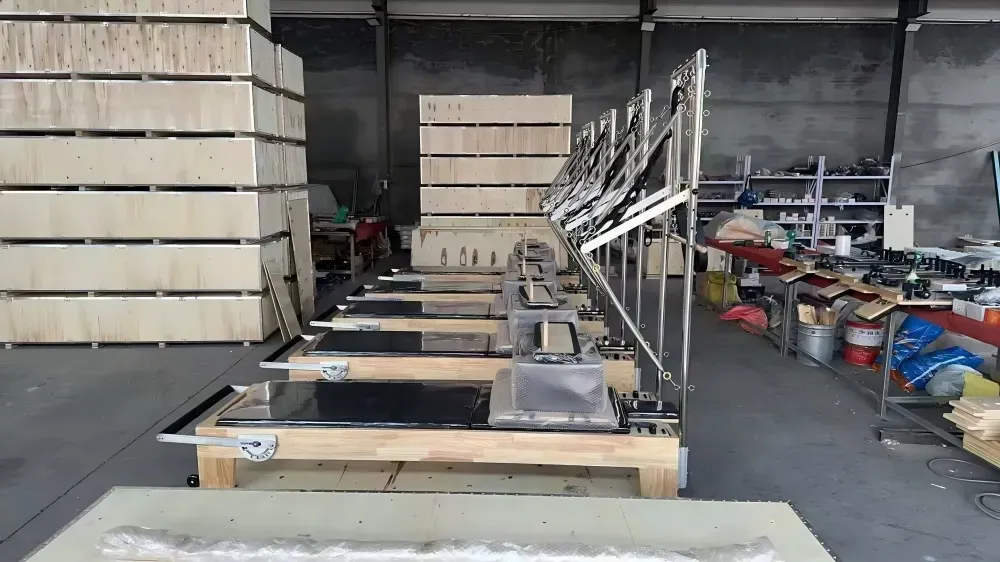
Better ROI for Startup Studios
Compared with Cadillac systems, Towers usually provide:
- lower cost
- smaller space requirements
- higher operational flexibility
For many new studios, this creates better overall ROI.
Minimal Additional Space Required
Tower systems connect directly to the reformer.
This is ideal for studios with limited floor space.
Cadillac (Trapeze Table): Premium Private Training Equipment
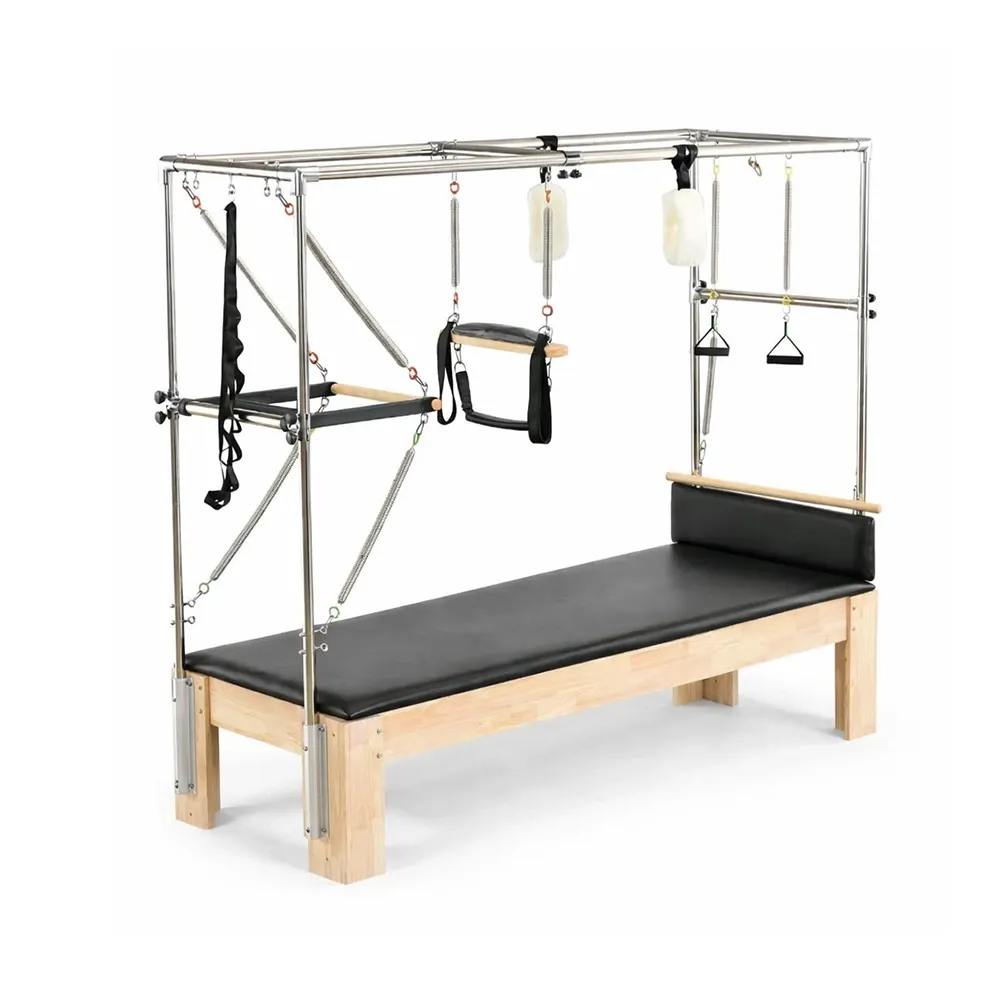
It is especially popular for:
- rehabilitation
- mobility training
- postural correction
- private instruction
- senior clients
Why Some Studios Invest in Cadillac Equipment
Highly Versatile Training System
Cadillac systems support:
- assisted movement
- suspension exercises
- spinal mobility work
- advanced modifications
This makes them highly valuable for private training.
Strong Premium Positioning
A Cadillac often becomes:
- the visual centerpiece of the studio
- a signature private-training station
- a premium upsell service
For boutique studios, this can strengthen market differentiation.
The Challenges of Cadillac Equipment
Larger Space Requirement
Cadillac systems occupy significantly more space than reformers.
This may reduce overall class capacity.
Higher Initial Investment
For startup studios, buying multiple Cadillacs too early can create unnecessary financial pressure.
Recommended Equipment Setup by Studio Type
Small Boutique Studio (Under 50㎡)
Recommended:
- 4–6 Reformers
- 1 Tower
- Optional 1 Cadillac
Priority:
- maximize group class efficiency
- maintain operational flexibility
Private Training Focused Studio
Recommended:
- 3–4 Reformers
- 1–2 Towers
- 1–2 Cadillacs
Priority:
- premium client experience
- high-ticket private sessions
Medium-to-Large Commercial Studio
Recommended:
- 6–10 Reformers
- Multiple Towers
- Multiple Cadillacs
- Full accessory setup
Priority:
- diversified class offerings
- scalable operations
Real Startup Case: A Boutique Pilates Studio in the Philippines
Over the past few years, we’ve worked with many first-time Pilates studio owners from different markets, and one thing we’ve noticed is that the most successful studios usually start with a balanced, scalable setup instead of trying to buy every piece of equipment at once.
One example was a client from the Philippines who had previously worked as a Pilates instructor before deciding to open her own boutique studio.
Her positioning was very clear from the beginning:
- high-end boutique studio
- private training focused
- premium client experience
- modern and professional atmosphere
Since this was her first commercial equipment purchase, she wanted to carefully balance:
- startup budget
- equipment quality
- long-term durability
- studio aesthetics
- future expansion potential
Instead of purchasing a fully luxury setup immediately, she chose a more strategic equipment combination.
Initial Studio Equipment Configuration
Main Equipment
- 4 Commercial-Grade Full Track Aluminum Reformers
- 1 Oak Wood Cadillac
Accessories
- 1 Wunda Chair
- 1 Ladder Barrel
- 1 Wall Pilates Unit
Why This Setup Worked Well
Aluminum Reformers Helped Control Startup Costs
For daily operation and group classes, she selected commercial-grade full-track aluminum reformers.
This provided:
- professional performance
- modern appearance
- easier transportation and installation
- better startup cost control
Most importantly, it allowed her to preserve part of the budget for:
- interior decoration
- mirrors and lighting
- branding and photography
- pre-opening marketing
- instructor operations
Many new studios underestimate how important these “non-equipment investments” are.
The Oak Cadillac Became the Studio’s Premium Feature
Although she controlled costs on the reformer side, she still invested in one premium oak Cadillac.
Why?
Because the Cadillac became:
- the studio’s visual centerpiece
- a premium private-training station
- a strong marketing feature
- an important rehabilitation and mobility tool
This created stronger differentiation from lower-priced competitors.
It’s actually a very smart strategy:
control costs where flexibility is acceptable, but invest in signature equipment where clients feel the premium experience most directly.
Accessories Expanded Training Variety Without Overcrowding the Studio
Instead of purchasing large quantities of accessories immediately, she chose:
- one Wunda Chair
- one Ladder Barrel
- one Wall Pilates system
This allowed her to:
- expand private session programming
- create more training variety
- improve professional presentation
- maximize limited studio space
For boutique urban studios, space efficiency is often just as important as equipment quality.
3. How to Choose Pilates Accessories
Accessories help studios:
- diversify class offerings
- improve private training value
- increase client engagement
But new studios do not need every accessory immediately.
Wunda Chair: Compact but Powerful
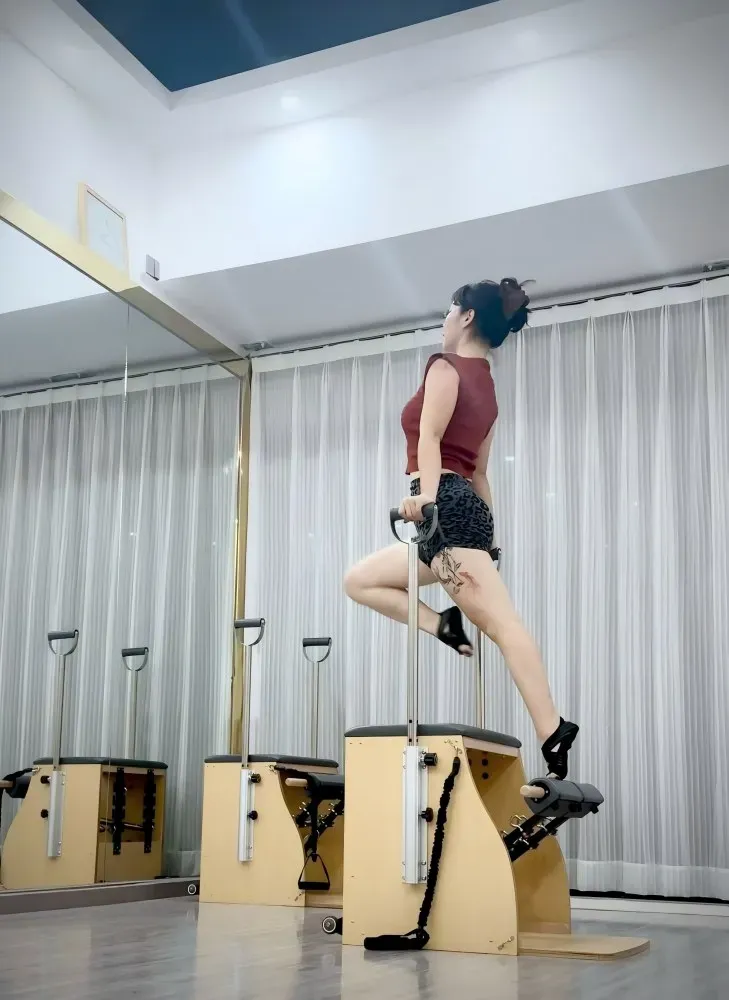
- core stability
- unilateral strength
- athletic conditioning
- balance training
It occupies very little space while offering challenging exercises.
Spine Corrector: Excellent for Beginners & Posture Training
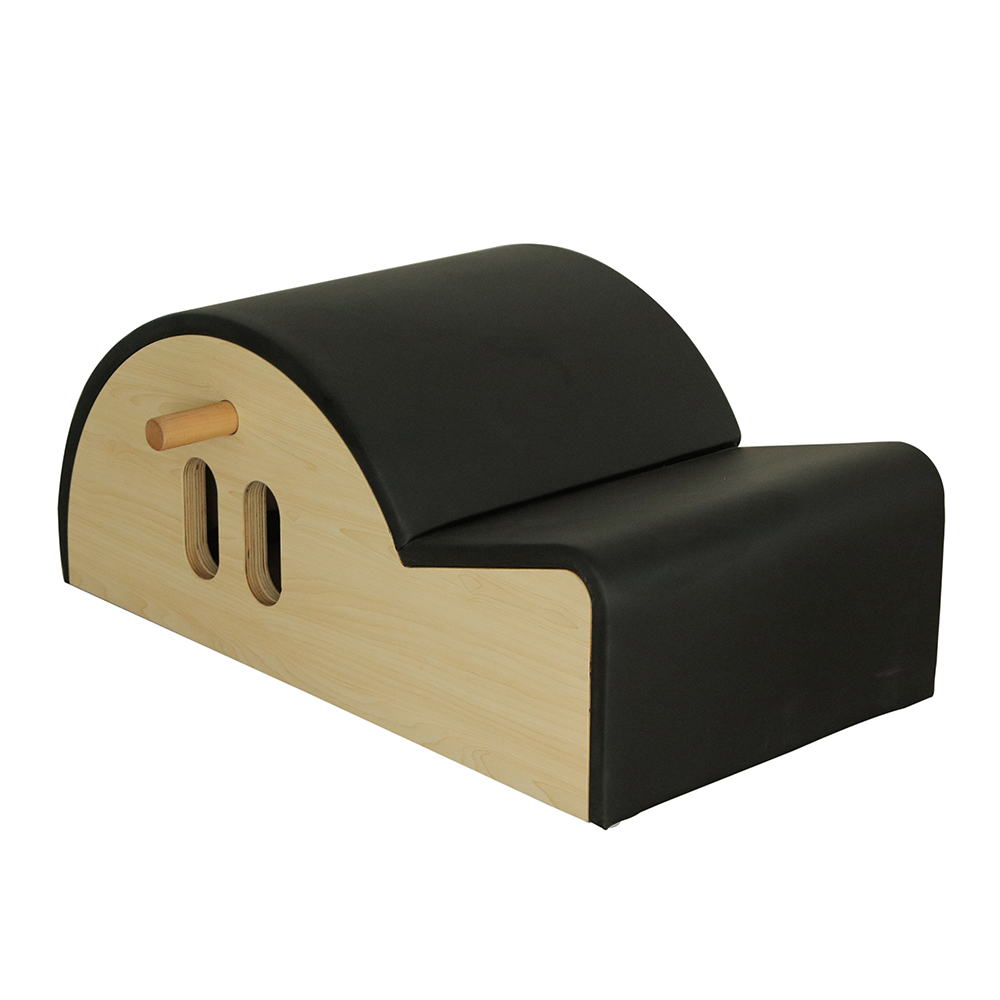
It is especially effective for:
- spinal mobility
- posture correction
- chest opening
- flexibility work
Many studios use it successfully in:
- beginner classes
- office-worker programs
- rehabilitation sessions
Ladder Barrel: Flexibility & Body Shaping
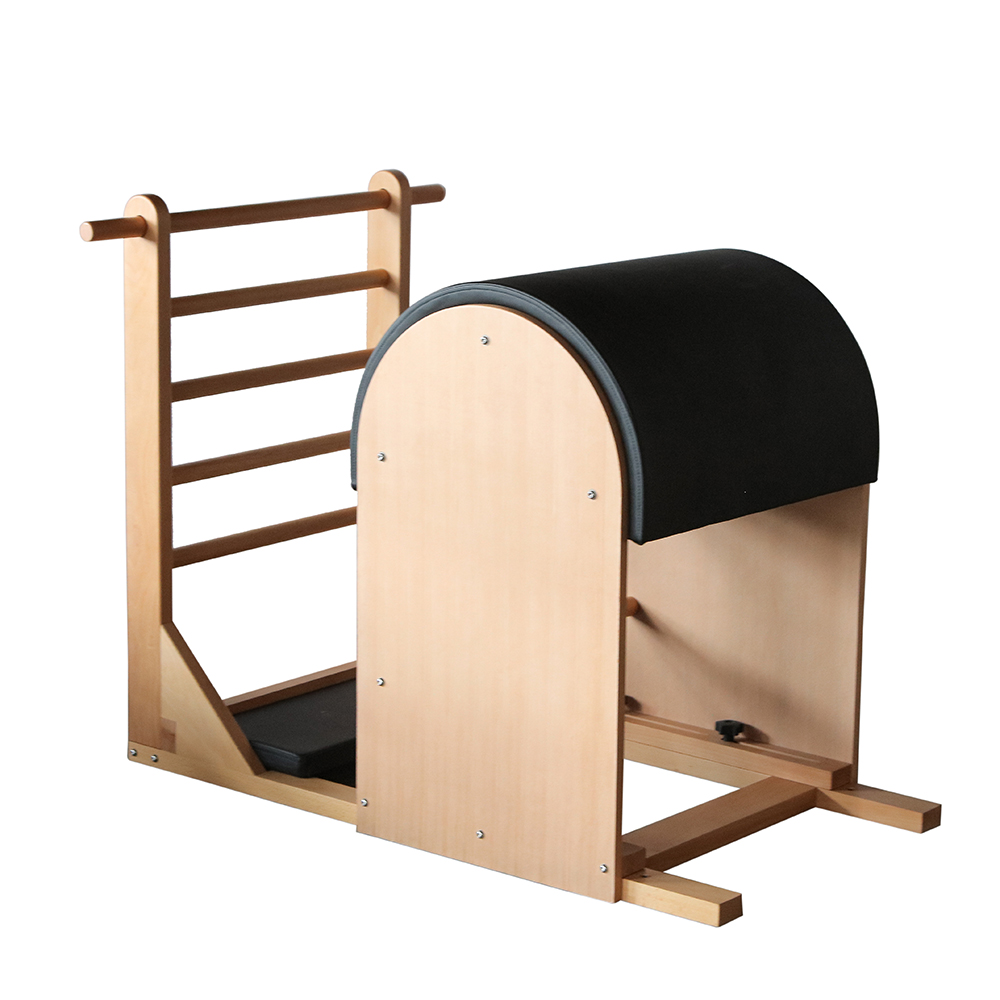
- spinal articulation
- flexibility training
- stretching exercises
- advanced mobility work
It is also visually attractive in marketing content and studio photography.
Recommended Accessory Combinations
Budget Startup Setup
Recommended:
- 1 Spine Corrector
- 1 Wunda Chair
Best for:
- low-risk startup operations
Standard Boutique Studio Setup
Recommended:
- 1 Spine Corrector
- 1–2 Wunda Chairs
- 1 Ladder Barrel
Best for:
- diversified private sessions
- stronger class variety
Premium Commercial Studio Setup
Recommended:
- multiple accessory units
- advanced apparatus combinations
Best for:
- larger studios
- advanced programming
- specialized training systems
Common Mistakes First-Time Studio Owners Make
After working with many startup Pilates studios, we repeatedly see several common mistakes.
1. Buying Too Much Equipment Too Early
Many new studio owners try to build their “dream studio” immediately.
But early-stage businesses need flexibility.
Start lean.
Expand based on:
- client demand
- class occupancy
- cash flow
- operational experience
2. Ignoring Space Planning
Beautiful equipment alone is not enough.
Clients need:
- comfortable walking space
- clean movement flow
- open visual atmosphere
An overcrowded studio reduces the premium experience.
3. Choosing Cheap Equipment With Poor Engineering
Low-quality equipment often creates:
- unstable carriage movement
- excessive rail noise
- faster wear
- maintenance problems
Over time, poor-quality equipment may cost more than higher-quality systems.
4. Spending the Entire Budget on Equipment
Many studio owners forget to reserve budget for:
- branding
- marketing
- photography
- instructor education
- interior decoration
- social media content
In reality:
client experience is created by the entire environment — not only the machines.
How to Choose a Reliable Pilates Equipment Supplier
Before placing an order, ask suppliers about:
- commercial durability testing
- warranty policies
- spare parts support
- packaging protection
- installation guidance
- OEM/ODM capabilities
- production lead times
- after-sales service
A good supplier should help you build a sustainable studio, not simply sell equipment.
Final Thoughts
Opening a Pilates studio is not about buying the most expensive equipment on day one.
It’s about creating a studio that:
- matches your business model
- fits your client positioning
- supports long-term growth
- delivers excellent customer experience
For most startup studios, a smart strategy is:
Step 1
Start with high-quality reformers.
Step 2
Add Towers or Cadillac systems based on private training demand.
Step 3
Expand accessories gradually as your studio grows.
The most successful studios are usually not the ones that spend the most in the beginning.
They are the ones that grow strategically, operate sustainably, and build client trust step-by-step.
Explore Commercial Pilates Studio Bundle Solutions
For startup Pilates studios, choosing the right combination of reformers, Cadillac equipment, chairs, and barrels can be challenging in the early stages.
To simplify studio planning, we offer professionally designed
commercial Pilates studio equipment bundles for boutique studios, private training spaces, and full commercial Pilates centers.
These package solutions help studio owners:
- optimize space planning
- control startup costs
- create balanced training environments
- scale equipment more efficiently as the business grows