
Jun 26, 2026Product Knowledge & Guides
Pilates Reformer Types Explained: Wood vs Aluminum vs Foldable (2026 Guide)
Confused about Pilates reformer types? Compare wood, aluminum, and foldable reformers to find the best option for your home or studio in 2026.
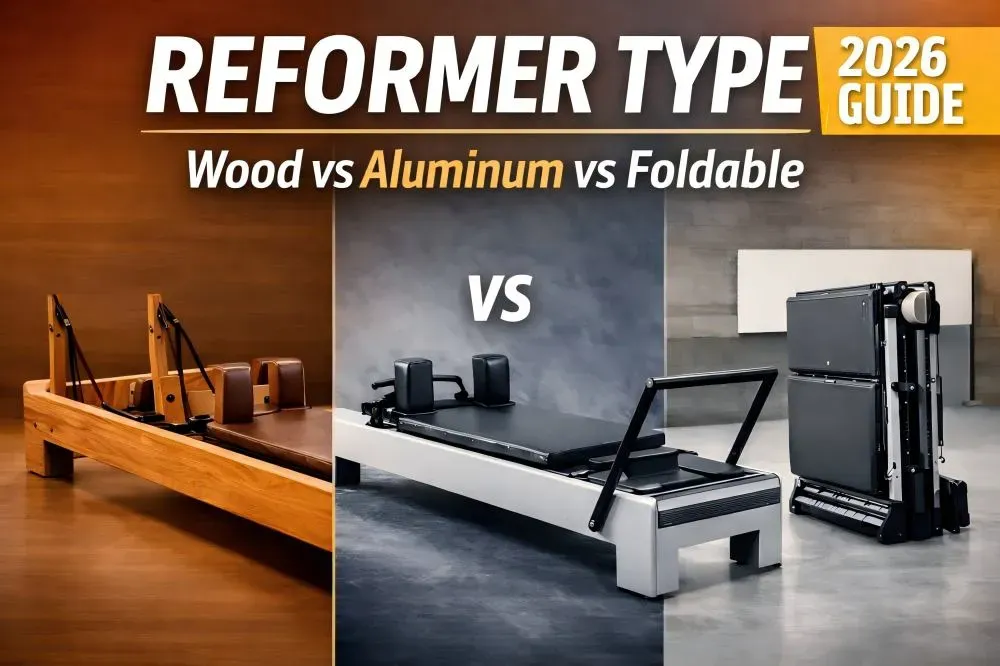
Pilates Reformer Types Explained: Wood vs Aluminum vs Foldable (2026 Guide)
Choosing the right Pilates reformer can feel overwhelming—especially if you’re new to the market or sourcing equipment for your studio. With multiple materials and designs available, understanding the differences between reformer types is essential before making a decision.
In this guide, we break down the three main types of Pilates reformers—wood, aluminum, and foldable—so you can confidently choose the best option for your needs.
The 3 Main Types of Pilates Reformers
Choosing between materials is one of the most important decisions.
1. Wooden Pilates Reformers
Wooden reformers are widely used in professional studios due to their premium appearance and exceptional stability. Typically made from maple or beech wood, they provide a smooth and quiet user experience.
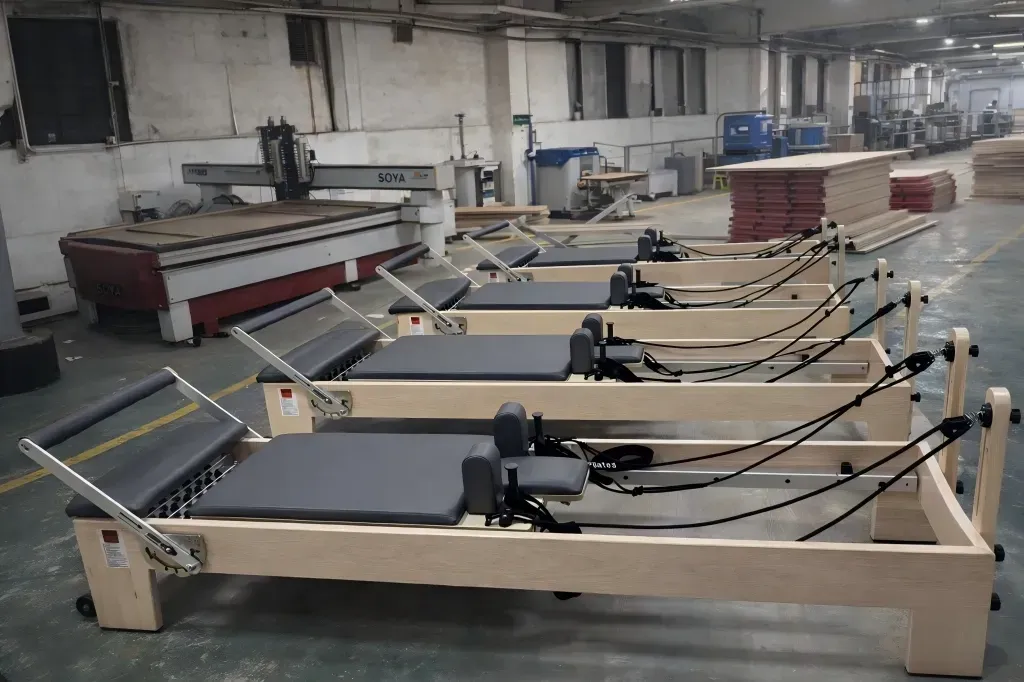
Best for: Studios, high-end fitness spaces
Pros: Stable, durable, aesthetically pleasing
Cons: Heavy, not easy to move
👉 Explore our wooden models
2. Aluminum Pilates Reformers
Aluminum reformers are becoming increasingly popular for home use. Their lightweight frame makes them easier to move, while still offering strong durability and modern aesthetics.
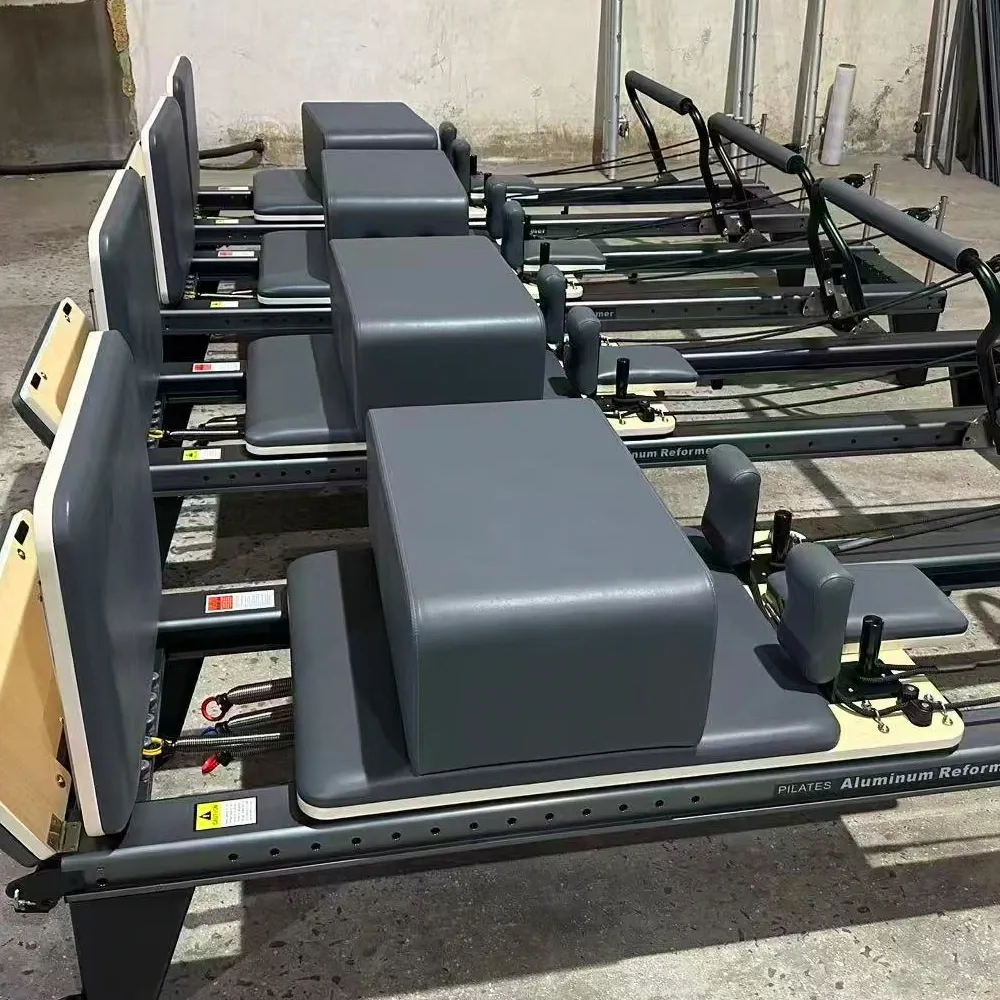
Best for: Home gyms, personal use
Pros: Lightweight, low maintenance, space-friendly
Cons: Less traditional appearance
👉 Explore our aluminum models
Not sure whether to choose a wooden or aluminum reformer?
👉 Read our detailed comparison guide:
3. Foldable Pilates Reformers
Foldable reformers are convenient—but not all are built the same.
Foldable reformers are designed for users with limited space. They can be stored vertically or under a bed, making them ideal for apartments or multi-purpose rooms.
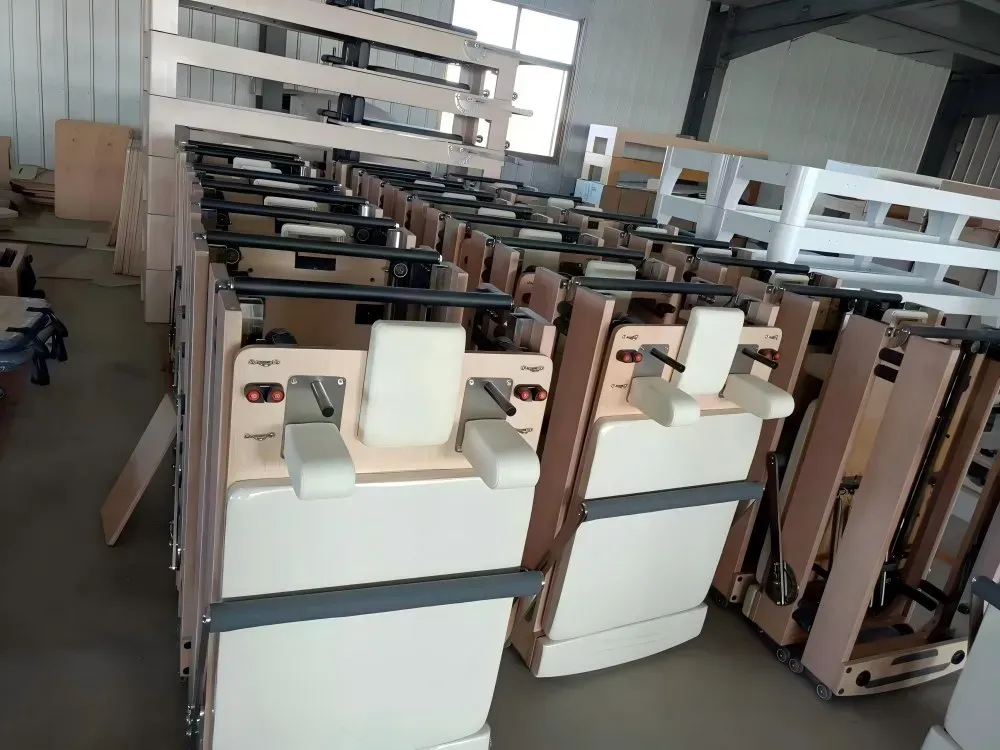
Best for: Small spaces, beginners
Pros: Space-saving, portable
Cons: Slightly less stable than fixed models
Before buying a foldable reformer, make sure you avoid these common pitfalls:
Comparison Overview
Type | Best For | Key Advantage | Limitation |
|---|---|---|---|
Wood | Studios | Stability | Heavy |
Aluminum | Home | Lightweight | Less classic |
Foldable | Small spaces | Compact | Reduced stability |
Which Reformer Type Is Right for You?
If you are setting up a home gym, aluminum or foldable reformers are usually the best choice due to space efficiency and ease of use.
For professional studios, wooden reformers remain the gold standard thanks to their durability and premium feel.
If you're unsure which option suits your needs, you can also check our detailed guide on choosing the best Pilates reformer for home use:
👉 best-pilates-reformer-for-home
For those looking into commercial-grade equipment, our professional guide explains the key standards:
👉 professional-pilates-reformer-guide
Maintenance & Long-Term Value
Each reformer type comes with different maintenance requirements. Wooden frames require more care to maintain their finish, while aluminum frames are highly resistant to wear and environmental changes. Foldable reformers depend heavily on hinge quality and structural design.
Final Thoughts
Choosing the right Pilates reformer is not just about price—it’s about matching the equipment to your space, usage, and long-term goals. By understanding the differences between wood, aluminum, and foldable reformers, you can make a smarter investment that supports both performance and comfort.