
Oct 7, 2026Manufacturing & Quality Control
Pilates Reformer Pre-Shipment Inspection Checklist | Leyue
Buying Pilates reformers in bulk? Use this pre-shipment inspection checklist to verify specifications, function, accessories, packaging and order records.
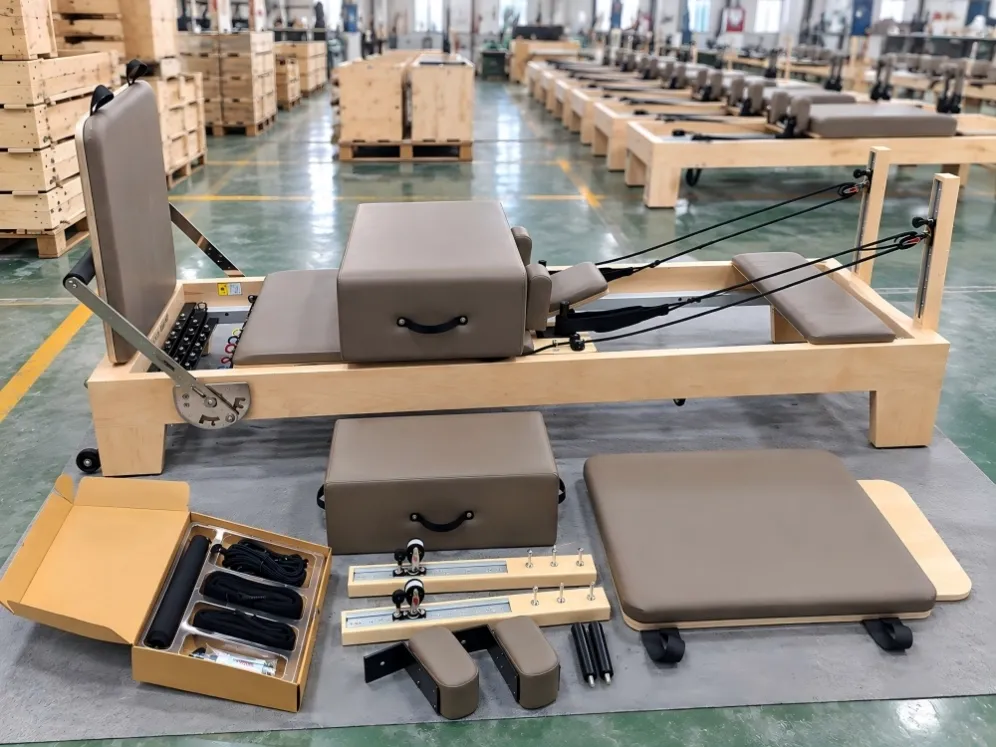
Pilates Reformer Pre-Shipment Inspection Checklist for Studio Owners and Distributors
When you order Pilates reformers for a studio, distribution business or private-label brand, approving the sample is an important step. Before the bulk order leaves the factory, there is another decision to make:
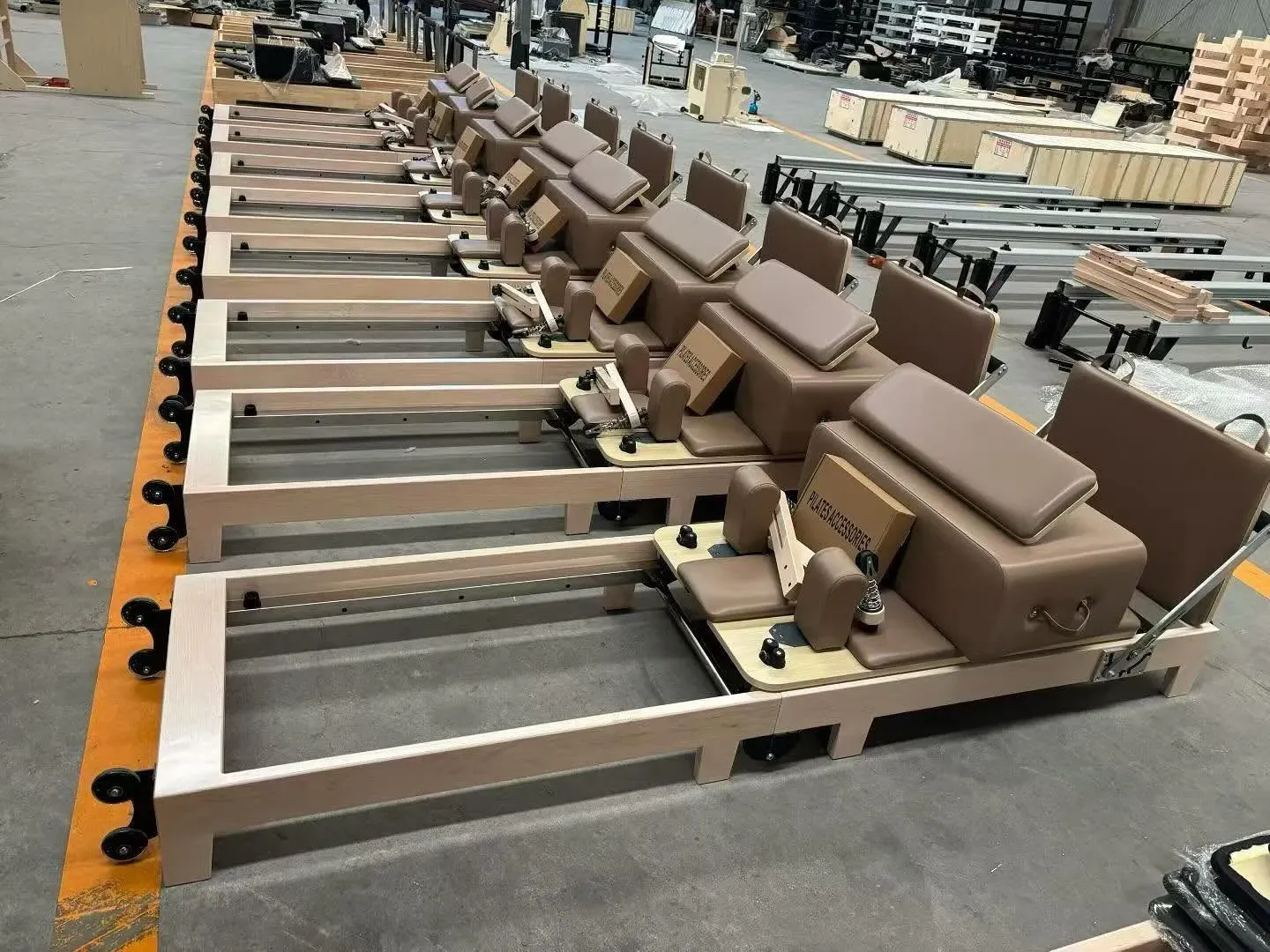
Does the finished shipment match the equipment and specifications you agreed to purchase?
Product photos alone may not answer that question. A reformer can look correct while an accessory is missing, a branding detail has changed or the packing list does not match the shipment.
A structured pre-shipment inspection helps buyers and suppliers review these details while the equipment is still accessible at the factory.
This guide explains what to check, which records to request and how to document approval before dispatch.
What Is a Pilates Reformer Pre-Shipment Inspection?
A pre-shipment inspection is a review of finished equipment and shipment preparation before the order is dispatched.
Depending on the agreed scope, it may cover:
- Product models, quantities and configurations.
- Appearance and manufacturing finish.
- Dimensions and consistency across multiple units.
- Operation of moving and adjustable components.
- Accessories and spare parts.
- Packaging, identification and shipment records.
The review may be carried out by the manufacturer, a buyer-appointed inspector or an independent inspection company. Buyers may also review photographs, videos and inspection reports remotely.
These methods provide different levels of visibility. Remote evidence can support order confirmation, but it has limits: a short video cannot establish long-term durability, and photographs cannot show every operating condition.
The inspection scope, acceptance criteria and evidence requirements should be agreed before the review begins.
1. Start With the Final Approved Specification
An inspection is useful only when there is a clear reference for what should be delivered.
Before reviewing the finished order, prepare the final approved quotation, purchase order and specification sheet. If a sample was approved, include its configuration and any changes agreed afterward.
The reference documents should identify:
Item | Details to confirm |
|---|---|
Reformer model | Model name, code and version |
Quantity | Units ordered for each model |
Frame | Agreed material, construction and finish |
Upholstery | Material, color reference and finish |
Footbar | Adjustment arrangement and agreed configuration |
Springs | Quantity, identification and agreed specification |
Accessories | Included items and quantities |
Branding | Logo artwork, method, size and placement |
Spare parts | Item descriptions and quantities |
Packaging | Agreed packing method and labels |
Avoid relying on descriptions such as “same as the photo” or “standard accessories” without identifying what they mean.
A photograph may show optional components. A supplier may offer different standard configurations for different models.
Every item that affects the purchase decision should appear in the confirmed order documents.
For buyers still evaluating equipment, a Pilates reformer sample order can help establish the reference before bulk production.
2. Verify Models, Quantities and Unit Identification
Begin with a complete view of the order.
Confirm that the finished equipment matches the ordered models and quantities. For mixed orders, check each model separately.
If the shipment includes reformers, towers, chairs and accessories, distinguish between the number of products and the number of packages. One reformer may be shipped with accessories in a separate package.
Ask the supplier to explain how individual units or packages are identified. Depending on the order, identification may use serial numbers, temporary unit labels or carton numbers.
A useful record connects:
Product identification → inspection evidence → package number → packing list
This makes it easier to trace a question before dispatch or locate an item after delivery.
For distributors supplying several customers, package identification can also help separate different configurations within the same shipment.
3. Check Appearance, Materials and Branding
Review the finished equipment against the agreed specification and approved references.
Frame and Surface Finish
Check visible surfaces for:
- Scratches, dents, chips or cracks.
- Rough edges or unfinished areas.
- Uneven coating or finishing.
- Visible gaps or assembly concerns.
- Differences from the agreed appearance.
For wooden reformers, natural grain and color variation should be discussed before production. Natural variation and a mismatch with the approved finish are different issues.
For metal frames, compare the finish with the approved reference and request close-up photographs of any area that needs clarification.
Photographs support appearance review, but they do not independently verify the exact wood species, alloy grade or concealed construction. If material verification is part of the purchase requirement, agree on the supporting documentation needed.
Upholstery
Review:
- Color against the approved reference.
- Surface condition.
- Stitching and seams.
- Fit around corners and edges.
- Visible wrinkles, damage or uneven finishing.
Lighting and screen settings can change how a color appears. For color-sensitive projects, keep an approved physical swatch or sample as the reference.
Logo and Private-Label Details
Confirm:
- Correct artwork and spelling.
- Logo size and placement.
- Application method.
- Orientation.
- Consistency across the order.
If multiple products carry branding, check each product type. Approval of the reformer logo does not automatically confirm the logo on a sitting box or other accessory.
4. Review Dimensions and Batch Consistency
A multi-unit order needs more than a good-looking individual reformer. The equipment should follow the agreed specifications across the batch.
Confirm the dimensions that matter to the project, such as:
- Overall length and width.
- Carriage height.
- Relevant adjustment positions.
- Accessory fit.
- Packed dimensions where transport or access is a concern.
Ask for measurements taken from defined reference points. Without a consistent method, two measurements may appear different even when the units are the same.
Where tolerances matter, agree on them in advance. “Approximately the same” is not a clear acceptance criterion.
For studio chains and repeat orders, retain the approved model version, finish references, accessory list and branding records. These documents give future orders a clearer reference.
The number of units checked should also be agreed. Reviewing one selected machine should not be presented as inspection of the entire batch.
5. Check Carriage Movement and Adjustable Components
Functional checks should follow the model’s instructions and be performed by qualified personnel.
The goal is to confirm that the finished equipment operates as intended under the agreed inspection conditions.
Carriage Movement
Review the carriage through its intended travel range.
Look for:
- Smooth movement.
- Unexpected catching or binding.
- Unusual rubbing or noise.
- Visible alignment concerns.
- Correct operation of the relevant stops and adjustment features.
When requesting video evidence, ask the supplier to identify the unit and show the complete movement clearly. A brief close-up of one section of the rail provides limited information.
A video can demonstrate observable movement during that check. It does not establish wear performance over months of studio use.
Footbar and Adjustment Mechanisms
Check that:
- The delivered footbar matches the ordered configuration.
- Adjustment positions can be selected as intended.
- Locking mechanisms engage correctly.
- Relevant pins, knobs and fasteners are present.
- Operation follows the product instructions.
Different reformer designs use different adjustment systems. Inspection should follow the actual model rather than a generic checklist.
Other Adjustable Components
Where included, review the operation and fit of:
- Headrests.
- Shoulder rests.
- Rope adjustment systems.
- Risers and pulleys.
- Tower attachments.
- Folding mechanisms.
Do not improvise load tests or place people on equipment that has not been confirmed ready for use.
If load, fatigue or other technical testing is required, agree separately on the method, conditions, acceptance criteria and report.
6. Verify Springs, Ropes and Included Accessories
Accessories should be checked against the confirmed order list.
Common items may include:
- Sitting boxes.
- Jump boards.
- Platform extenders.
- Handles and loops.
- Ropes and straps.
- Tower components.
- Assembly hardware and tools.
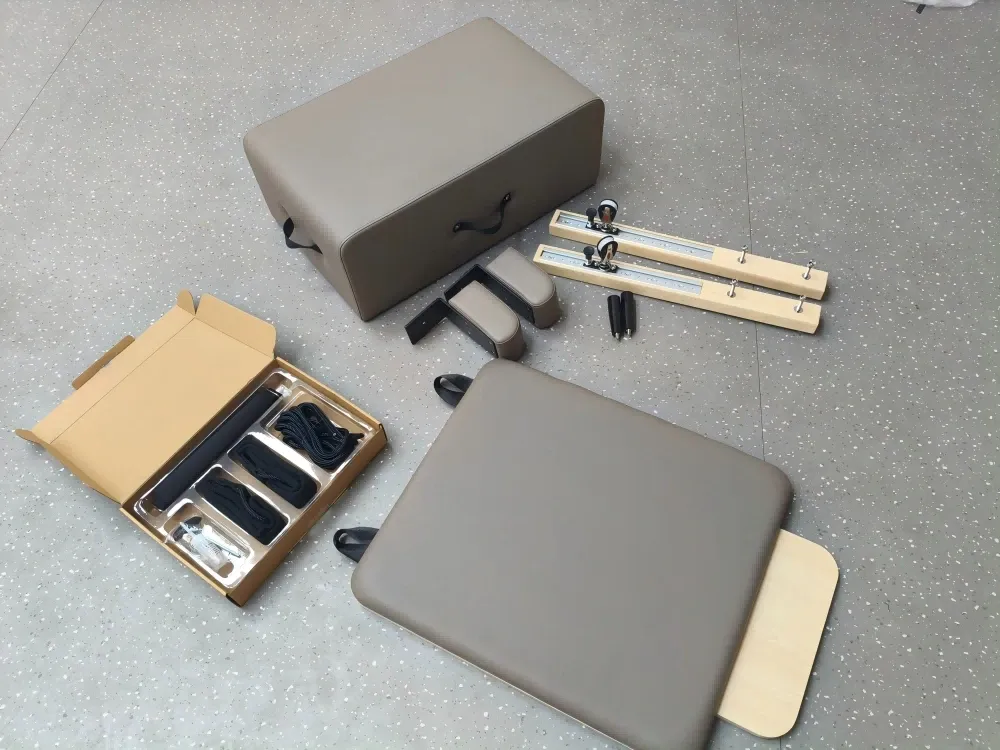
For each item, confirm the quantity, specification, visible condition and compatibility with the ordered model.
Springs
Check the agreed number of springs, their identification and their installed or packed arrangement.
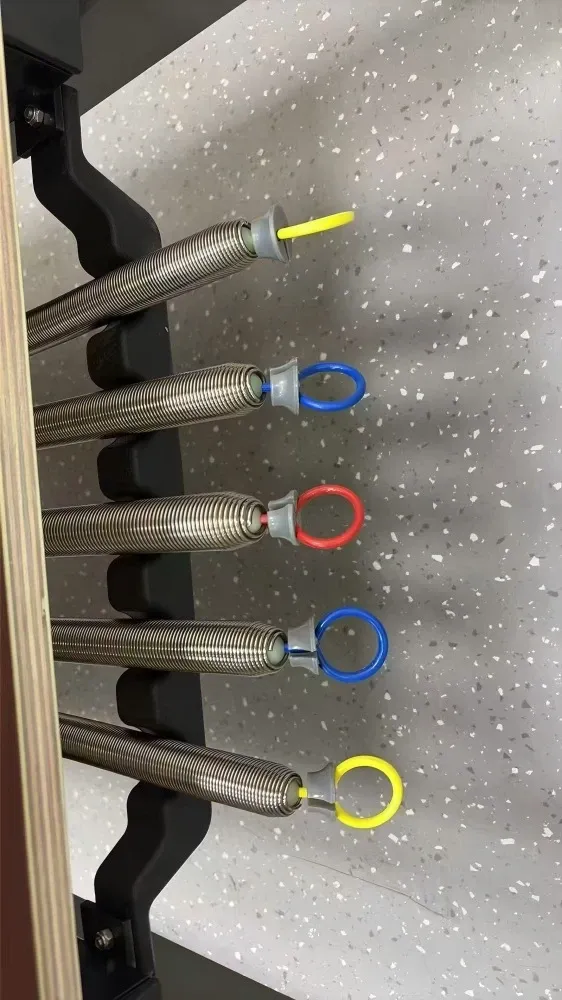
Spring colors alone should not be treated as a universal resistance specification. Identification systems may differ between suppliers and models.
If resistance values or performance characteristics were part of the agreement, request the relevant specification and supporting test information.
Ropes, Straps and Handles
Check visible condition, matching quantities, attachments and intended adjustment operation.
Where compatible accessories are important, ask for evidence showing them fitted to the actual reformer model.
A useful accessory photograph shows the complete set beside a unit label or order reference. It should be clear which items are included and which are optional.
7. Confirm Spare Parts and Support Information
For overseas buyers, spare-parts planning is easier before the shipment leaves the factory.
If a spare-parts kit is included, verify:
- Part descriptions or codes.
- Quantities.
- Compatibility with the ordered model.
- Package identification.
- Any relevant installation information.
Potential spare items depend on the model and buyer’s maintenance plan. They may include ropes, wheels, springs or selected hardware.
Avoid assuming that every component is interchangeable across reformer versions.
Also confirm access to:
- Assembly instructions.
- Operating guidance.
- Maintenance instructions.
- Warranty terms.
- The process for reporting an issue and ordering replacements.
Pre-shipment approval does not replace the written warranty or after-sales agreement.
8. Inspect Packaging Before It Is Closed
Packaging is part of the order review, particularly for international shipments involving multiple handling stages.
Ask for evidence showing how the equipment is protected before the package is sealed.
Review:
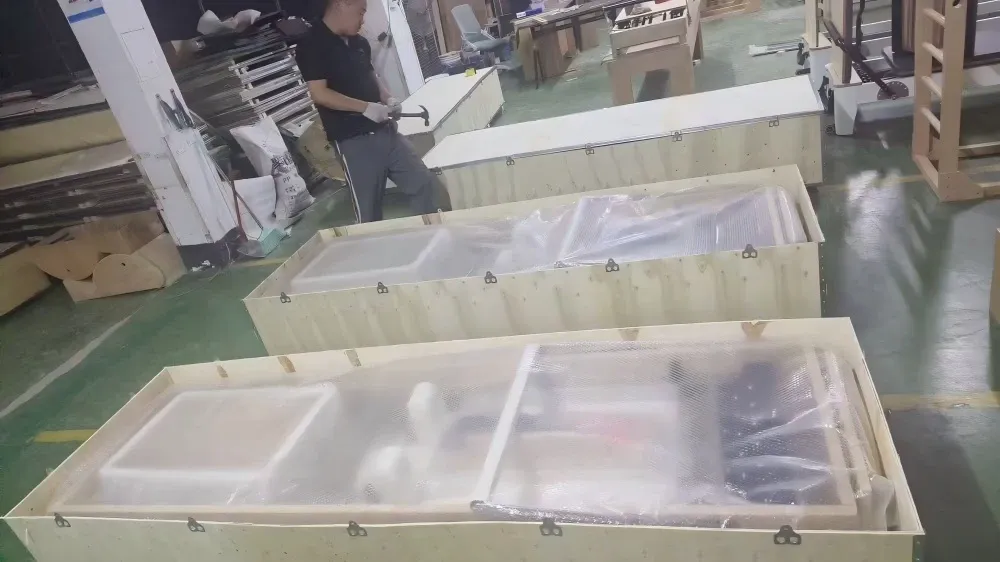
- Protection of exposed surfaces and corners.
- Restraint of moving components.
- Separation and protection of loose accessories.
- Hardware containment.
- Internal support and cushioning.
- External package condition.
- Package identification and handling labels.
The packing method should match the agreed transport plan and product requirements.
For equipment supplied partly disassembled, confirm that the buyer understands which assembly steps remain after delivery.
Also compare the packed dimensions with access constraints at the destination. Doors, corridors, elevators and unloading arrangements should be considered before dispatch.
A shipment reaching the delivery address and equipment reaching its installation position are separate planning steps.
9. Cross-Check the Packing List and Shipment Records
Before approving dispatch, compare the finished-order records with the packing list.
Check:
- Product descriptions.
- Model quantities.
- Number of packages.
- Accessories packed separately.
- Package identification.
- Gross and net weights, where provided.
- Packing dimensions and total volume.
- Delivery and consignee details.
Ask the supplier or freight provider to clarify discrepancies before shipment.
The delivery scope should also match the quotation and agreed shipping terms. Confirm who is responsible for the relevant transport, customs, unloading and installation arrangements.
Inspection approval should not be used to resolve an unclear delivery agreement. Those responsibilities need their own written confirmation.
10. Record Open Issues and Final Approval
If a problem is found, record it with enough detail for the supplier to act.
Each issue should identify:
- The affected unit or package.
- The agreed requirement.
- The observed difference.
- Supporting photographs or video.
- The required action.
- The evidence needed to confirm resolution.
Avoid approvals such as “looks fine” when unresolved questions remain.
For corrected items, request updated evidence linked to the original issue. Keep the final approval with the order records.
A clear approval states which order, specification version and inspection evidence were reviewed, together with any agreed exceptions.
Copyable Pilates Reformer Pre-Shipment Inspection Checklist
Use the following table as a starting point. Adapt it to the model and agreed inspection scope.
Inspection item | What to confirm | Evidence reference | Status / action |
|---|---|---|---|
Models and quantities | Match the purchase order | Order overview and unit list | |
Final configuration | Matches approved specification | Specification sheet | |
Frame and finish | Agreed appearance; visible condition reviewed | Unit photos | |
Upholstery | Approved reference, fit and condition | Close-up photos | |
Branding | Correct artwork, method and placement | Logo photos | |
Dimensions | Agreed measurements and tolerances | Measurement record | |
Batch consistency | Required units checked against the same criteria | Inspection report | |
Carriage movement | Operation reviewed under agreed conditions | Unit-linked video | |
Footbar and adjustments | Correct operation and engagement | Photos or video | |
Springs and ropes | Agreed quantity, identification and condition | Component record | |
Accessories | Correct items, quantities and compatibility | Accessory layout | |
Spare parts | Correct parts, quantities and identification | Spare-parts list | |
Packaging | Protection and identification reviewed | Packing photos | |
Packing list | Products and packages reconcile | Final packing list | |
Instructions and support | Required documents available | Document references | |
Open issues | Corrections completed or exceptions agreed | Resolution record | |
Order reference:
Specification version:
Inspection date:
Inspector or reviewer:
Units inspected:
Outstanding issues:
Final approval date:
Frequently Asked Questions
Should every reformer be inspected before shipment?
The inspection coverage should match the order requirements and agreed inspection plan. Some checks may apply to every unit, while others may use an agreed sampling approach.
Confirm the coverage before inspection and ensure the report states how many units were reviewed.
Can photos and videos replace an independent inspection?
They can help buyers review visible details and demonstrated operation remotely. They do not provide the same visibility as an on-site inspection.
Whether to appoint an independent inspector depends on the buyer’s requirements, order complexity and desired level of verification.
What if the bulk order differs from the approved sample?
Identify whether the difference was agreed after sample approval. If it was not, document the discrepancy and resolve it against the final approved specification before authorizing dispatch.
Does passing a pre-shipment inspection guarantee long-term performance?
No. An inspection records findings within a defined scope at a particular time.
Long-term performance also depends on design, manufacturing, installation, use and maintenance. Technical test reports and warranty terms should be evaluated separately.
When should buyers discuss inspection requirements?
Before the bulk order is finalized. Early agreement gives both parties time to define acceptance criteria, prepare records and arrange any external inspection.
Confirm the Order Before It Leaves the Factory
A useful pre-shipment inspection turns the approved order into a documented set of checks.
For studio owners, it helps confirm that the equipment and accessories are ready for the planned installation. For distributors and private-label brands, it creates a clearer record of the products being supplied.
The strongest starting point is a detailed specification, followed by traceable evidence and written resolution of open issues.
If you are planning a multi-unit Pilates equipment order, send Leyue Pilates your preferred models, quantities, customization requirements and destination. We can discuss the order specification and inspection requirements before you finalize the purchase.
For private-label projects, explore our OEM Pilates equipment sourcing guide to plan product selection, samples and bulk-order preparation.