
Jun 26, 2026Product Knowledge & Guides
The Hidden Costs of Sourcing Pilates Reformers: B2B Price Guide
Why cheap Pilates reformers cost more in the long run. Discover the hidden sourcing costs studio owners and distributors must consider before buying.
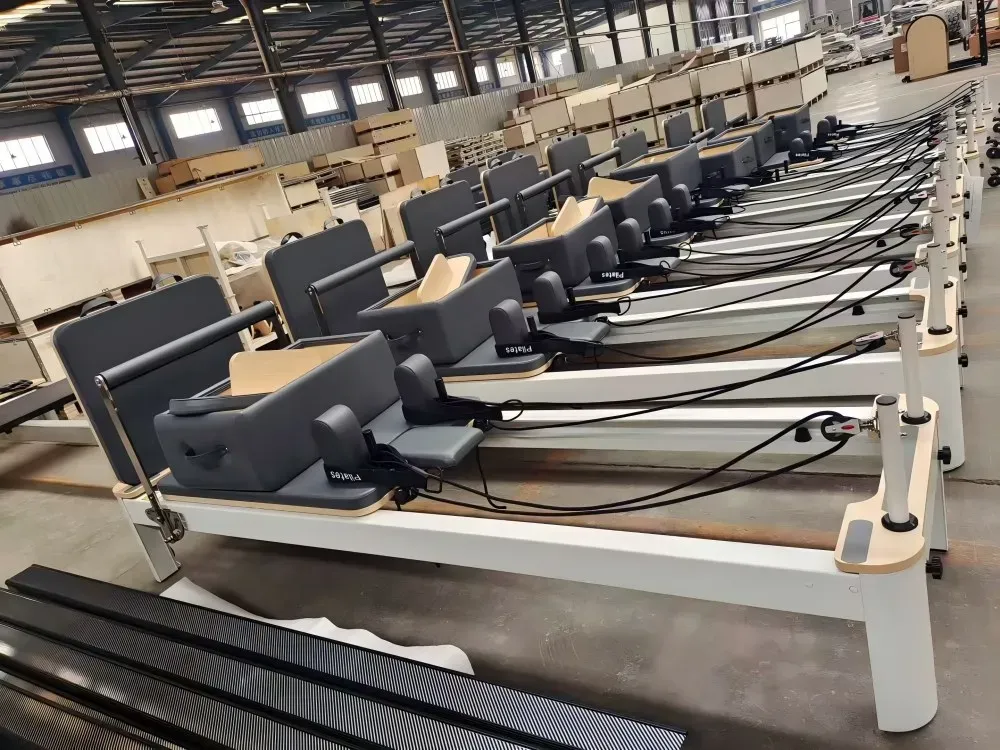
Introduction: The Real Cost Behind a Pilates Reformer
For Pilates studio owners, fitness equipment distributors, and international buyers, the price quote of a Pilates reformer is only the beginning.
Many buyers focus on the initial cost, but experienced operators understand that the true cost of equipment includes durability, maintenance, and user experience.
In a commercial Pilates studio, reformers may run 8–12 hours per day. Machines that appear affordable at first can quickly become expensive due to:
- Frequent maintenance
- Part replacement
- Poor client experience
- Equipment downtime
As a manufacturer with more than 15 years of experience in Pilates equipment production, LEYUE has seen how engineering quality directly affects studio profitability.
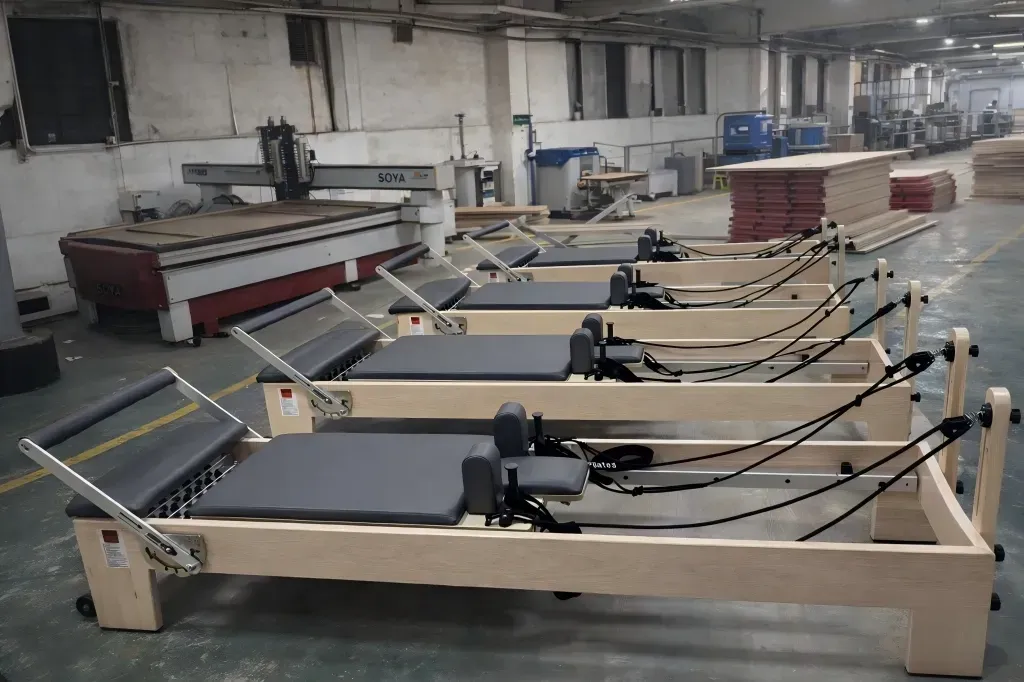
This guide explains the hidden costs of sourcing reformers and how professional equipment helps protect your long-term investment.
1. Frame Materials: Maple, Beech, or Aluminum?
The reformer frame is the structural foundation of the machine.
North American Maple (Premium Studio Standard)
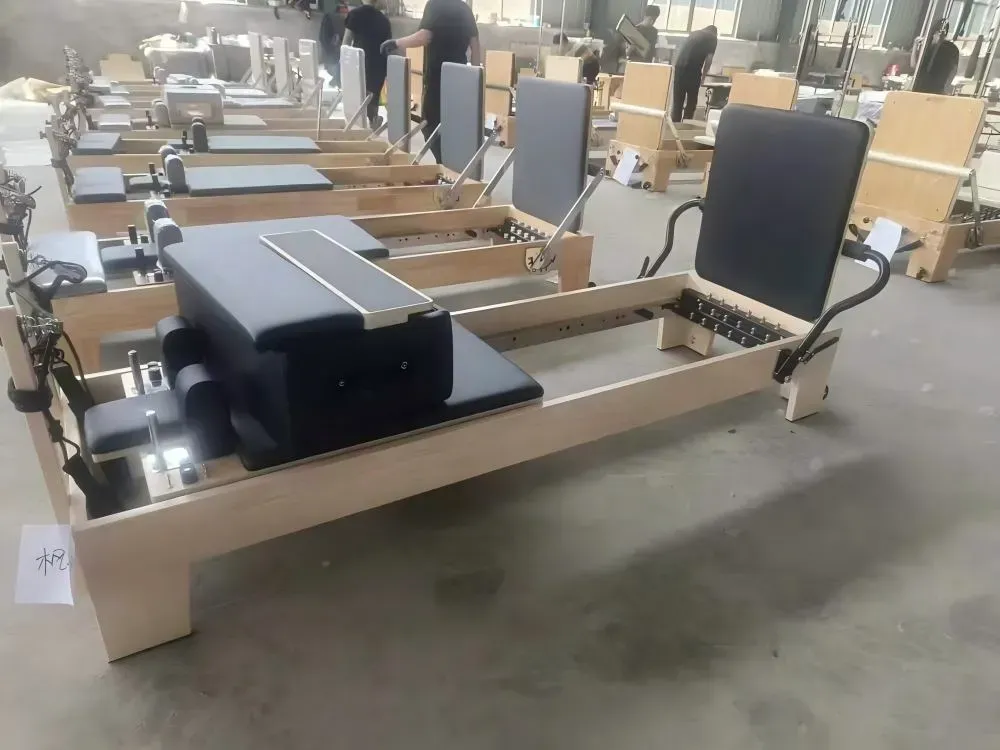
Best for: Boutique Pilates studios and premium training environments.
Why studios choose it
- High-density hardwood ensures excellent structural stability
- Superior vibration absorption for a smooth, silent carriage glide
- Natural aesthetics that elevate studio branding
ROI advantage
Maple reformers maintain frame alignment for 10–15 years, reducing long-term maintenance and replacement costs.
European Beech (Balanced Professional Option)
Best for: High-volume commercial studios seeking cost efficiency.
Key advantages
- Strong structural rigidity
- Bright and clean natural appearance
- Reliable durability under heavy daily usage
Beech reformers are often considered a balanced choice between cost and durability for busy studios.
Anodized Aluminum (Modern Performance Solution)
Best for: Physiotherapy clinics, gym chains, and humid environments.
Key advantages
- Rust-proof and corrosion-resistant
- Lightweight yet structurally strong
- Minimal maintenance requirements
For studios located in coastal or humid regions, aluminum reformers offer exceptional long-term reliability.
2. The Carriage Tracking System: Why 8 Wheels Matter
One of the most common hidden costs in low-price reformers is the simplified carriage system.
Many budget machines use 4-wheel designs, which can cause:
- Lateral wobbling
- Rail friction
- Increased mechanical wear
Over time, this leads to expensive repairs and inconsistent training experiences.
The LEYUE 8-Wheel Precision System
All LEYUE commercial reformers feature an 8-wheel carriage system designed for studio environments.
This includes:
4 vertical load-bearing wheels
- Support the user’s weight
- Ensure smooth carriage movement
4 side-regulation wheels
- Stabilize the carriage
- Eliminate lateral movement
- Reduce noise and friction
Result
A smoother, quieter glide that significantly reduces long-term wear on rails and wheels.
3. Engineering the Resistance System: High-Tensile Springs
The spring system functions as the engine of the reformer.
Low-quality springs often suffer from spring fatigue, meaning they gradually lose tension accuracy.
This creates two major problems:
- Inconsistent resistance for instructors
- Safety risks during workouts
The Hidden Cost of Cheap Springs
Budget reformers may require spring replacement every 6–12 months.
This adds maintenance costs and operational downtime.
LEYUE Spring Engineering
Our reformers use high-tensile music wire springs, tested for 100,000+ cycles.
Benefits include:
- Stable resistance curves
- Longer lifespan
- Reliable performance in high-traffic studios
For instructors, this means consistent training resistance session after session.
4. Logistics and Supply Chain Stability
In B2B sourcing, delivery reliability is just as important as product quality.
For new studios, delayed equipment shipments can postpone opening schedules and lead to lost revenue.
Manufacturing Stability
With 15 years of experience in Pilates equipment manufacturing, LEYUE maintains stable raw material supply chains for:
- Maple wood
- Beech wood
- Aluminum frames
This allows us to respond quickly to large or urgent orders.
Real-World Example
Recently, our team successfully prepared and shipped a 40-foot container to Kazakhstan within 24 hours of order confirmation, ensuring the client’s studio launch schedule stayed on track.
Export Documentation
To prevent customs delays, we provide full export documentation, including:
- EAC certification
- Product inspection records
- international shipping documentation
Commercial vs Budget Reformers: Cost Comparison
Feature | LEYUE Maple / Beech | LEYUE Aluminum | Budget Home Models |
|---|---|---|---|
Frame Material | Kiln-dried hardwood | Aerospace aluminum | Plywood / mixed wood |
Carriage System | 8-wheel precision | 8-wheel precision | Basic 4-wheel |
Springs | High-tensile music wire | High-tensile music wire | Standard springs |
Environment | Boutique studios | Clinics / humid areas | Home use |
Lifespan | 12–15 years | 15+ years | 3–5 years |
Conclusion: Professional Equipment Protects Your Investment
Choosing a Pilates reformer manufacturer is not simply about comparing prices.
It is about selecting equipment designed to withstand the demands of commercial Pilates training.
By investing in a professional reformer system — whether Maple, Beech, or Aluminum — studio owners gain:
- longer equipment lifespan
- smoother user experience
- reduced maintenance costs
- stronger studio branding
Ultimately, the right equipment protects your business profitability.
Ready to Upgrade Your Studio?
If you are planning to open a new Pilates studio or expand your equipment inventory, our team can help you choose the right configuration.
Request the 2026 LEYUE Wholesale Catalog or contact our sourcing specialists for a factory-direct quotation.
FAQ
How long does a commercial Pilates reformer last?
High-quality commercial reformers typically last 10–15 years or longer with proper maintenance.
Why do Pilates studios prefer wooden reformers?
Wooden reformers provide excellent vibration absorption, quieter carriage movement, and a premium aesthetic ideal for boutique studios.
Are aluminum Pilates reformers better for humid environments?
Yes. Aluminum frames are corrosion-resistant and ideal for studios located in coastal or humid regions.
What is the difference between commercial and home Pilates reformers?
Commercial reformers use stronger materials, precision carriage systems, and higher-grade springs designed for heavy daily usage.