
Sep 16, 2026Product Knowledge & Guides
What U.S. Boutique Pilates Studios Look for in Equipment
Learn what independent U.S. Pilates studios prioritize when buying commercial Reformers, including durability, customization, accessories, warranty, shipping and spare parts.
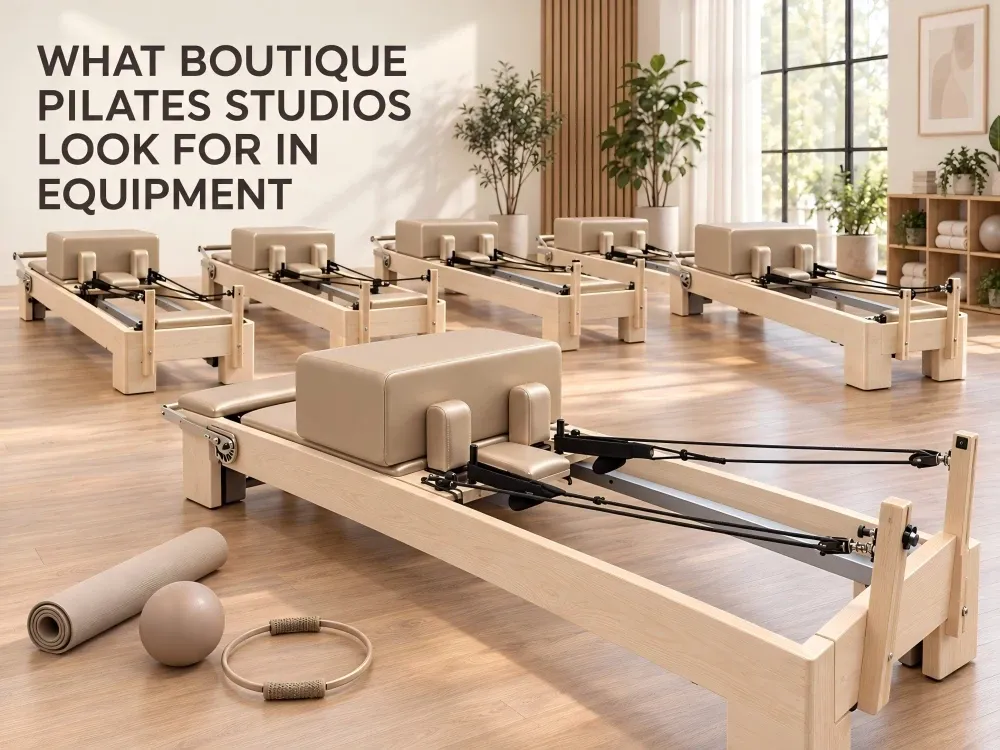
What Independent U.S. Pilates Studios Look for When Buying Equipment
Opening an independent Pilates studio is very different from purchasing equipment for a large international fitness chain.
Boutique studio owners usually work with a carefully planned budget, limited floor space and a specific class concept. At the same time, every piece of equipment influences the studio’s appearance, class capacity, maintenance costs and overall client experience.
For this reason, independent U.S. Pilates studios rarely make purchasing decisions based on price alone. They are looking for commercial equipment that fits their teaching model, supports intensive daily use and remains easy to maintain over the long term.
Here are the most important factors boutique Pilates studios should consider when purchasing equipment.
1. Start With the Studio’s Business Model
Before choosing equipment, studio owners should first define how the space will operate.
A private Pilates studio may only need two to four Reformers, together with a Cadillac or Tower, Chair and Barrel. A classical boutique studio offering both private sessions and small-group classes may install four to eight Reformers.
Studios focused primarily on group Reformer classes commonly plan for approximately eight to twelve machines. Higher-capacity athletic Pilates concepts may use ten to sixteen machines, depending on available space and local demand.
The right quantity should be based on:
- Expected class size
- Number of classes per day
- Private versus group session revenue
- Instructor-to-client ratio
- Available floor space
- Local membership demand
Independent studios do not need to copy the equipment density of a large chain. A smaller room with an efficient layout and a consistent client experience can often create a stronger premium identity.
For owners who prefer to source several machines and accessories together, a coordinated commercial Pilates Reformer package for studios can simplify product matching, production and shipping.
2. Commercial Durability Matters More Than the Initial Price
A home-use Reformer may look similar to commercial equipment in photographs, but the demands are very different.
In a busy studio, a Reformer may be used repeatedly throughout the day by clients of different heights, weights and experience levels. The frame, carriage, footbar, ropes, pulleys, wheels and upholstery must all withstand frequent adjustment and continuous use.
Studio buyers should evaluate:
- Frame stability under dynamic movement
- Strength of joints and connection points
- Footbar locking system
- Carriage load capacity
- Resistance to side-to-side movement
- Upholstery density and wear resistance
- Rope and pulley durability
- Ease of daily cleaning
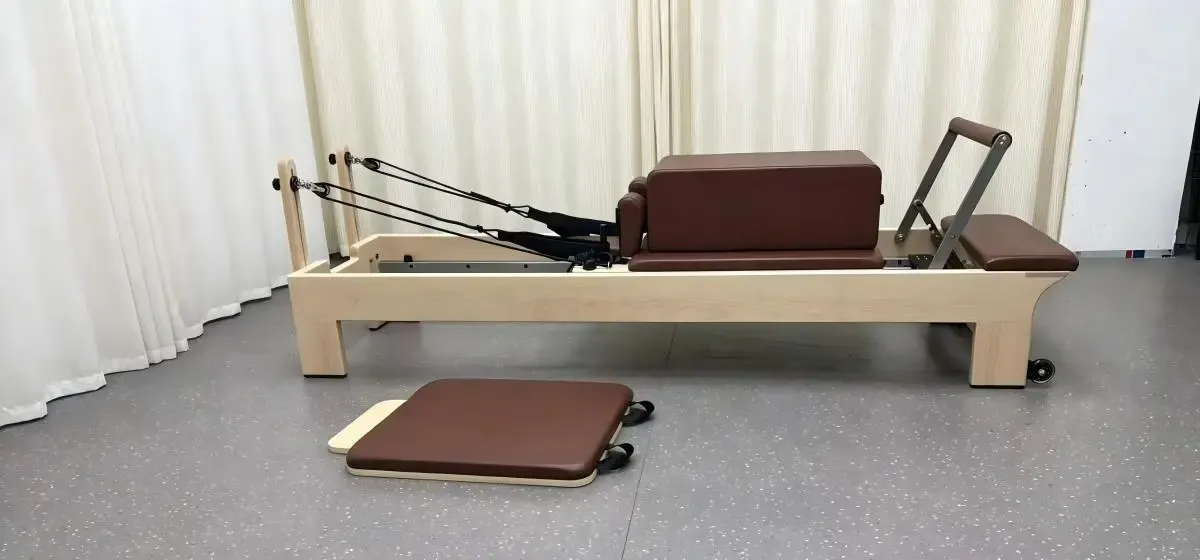
A commercial model such as the Classic Maple Wood Pilates Reformer is designed for studios that prioritize a traditional wooden appearance, structural stability and a smooth client experience.
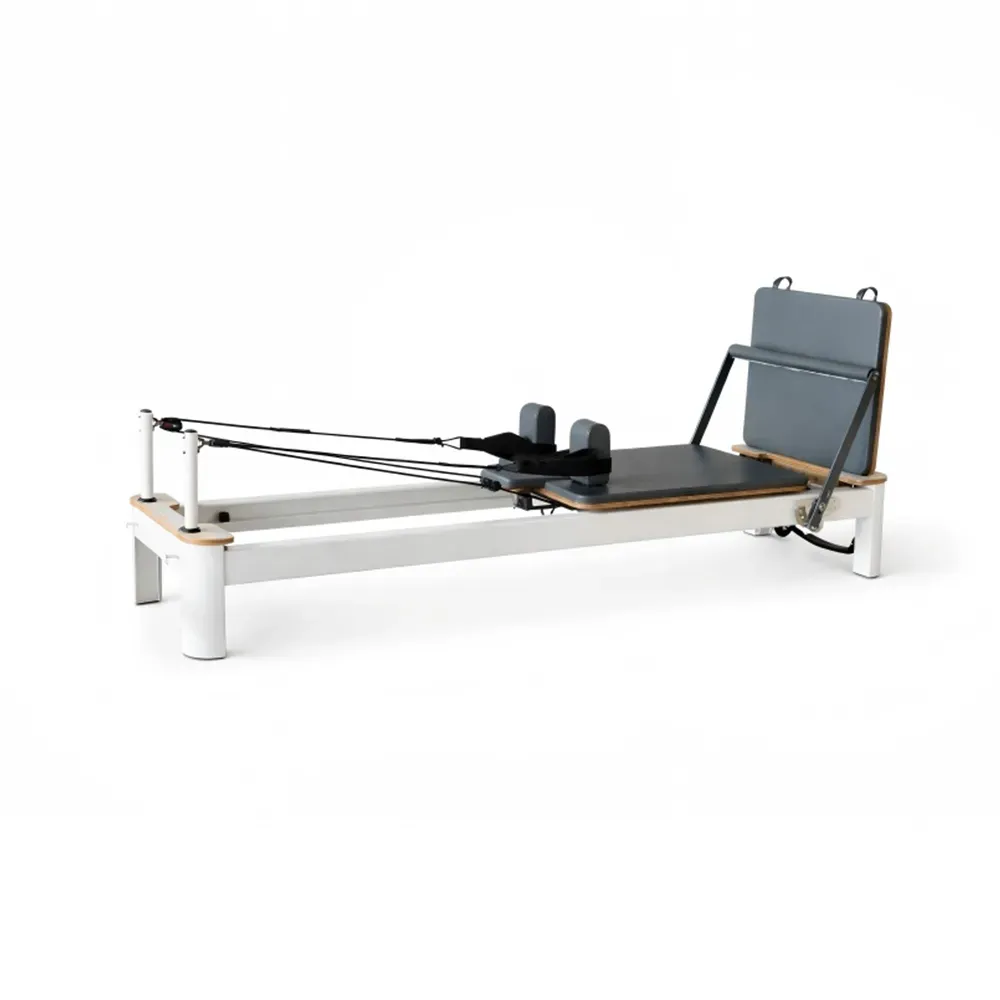
For modern studios that prefer metal construction, a studio-grade aluminum Pilates Reformer can provide a clean contemporary look with durable commercial performance.
A lower purchase price can quickly lose its advantage if equipment requires frequent repairs or causes class interruptions. For commercial studios, reliable operation is part of the customer experience.
3. Smooth and Quiet Movement Shapes Client Perception
Clients may not know the technical differences between two Reformers, but they can immediately feel unstable movement, uneven resistance or excessive noise.
Smooth carriage travel is especially important for controlled Pilates exercises. Commercial Reformers should use durable wheels and a well-aligned rail system to reduce vibration and unwanted sound.
Spring consistency is equally important. Buyers should ask whether the resistance remains predictable across different machines and whether replacement springs will match the original specifications.
When evaluating a supplier, studio owners can request:
- Detailed movement videos
- Close-up videos of the carriage and wheels
- Spring specifications
- Noise tests under actual load
- Photos of the rail and pulley systems
- Sample testing before a larger order
Consistency across every Reformer helps instructors teach more efficiently and gives clients a uniform experience wherever they are positioned in the room.
4. Equipment Dimensions Must Work With the Floor Plan
A Reformer should never be selected without checking the complete studio layout.
In addition to the machine footprint, buyers need to allow room for instructors to move between clients, for clients to enter and exit safely, and for accessories to be stored when they are not in use.
Important measurements include:
- Overall Reformer length and width
- Carriage height
- Footbar extension area
- Space required for Jumpboard exercises
- Recommended distance between machines
- Door, elevator and hallway dimensions
- Storage space for Boxes and accessories
Studios with limited space may also consider a stackable Pilates Reformer, particularly when the room must be used for both equipment and mat-based classes.
However, space-saving features should not come at the expense of stability. Buyers should evaluate whether a folding, stackable or retractable model is appropriate for the expected frequency of commercial use.
Studios should also check whether assembled equipment can pass through the building entrance. If not, they should confirm whether the equipment can be delivered partially assembled and whether installation support is available.
5. Design and Customization Support the Studio Brand
For an independent Pilates studio, the equipment is also part of the interior design.
Wood species, frame finish, upholstery color and metal details all contribute to the atmosphere clients see in photographs, social media posts and in-person visits.
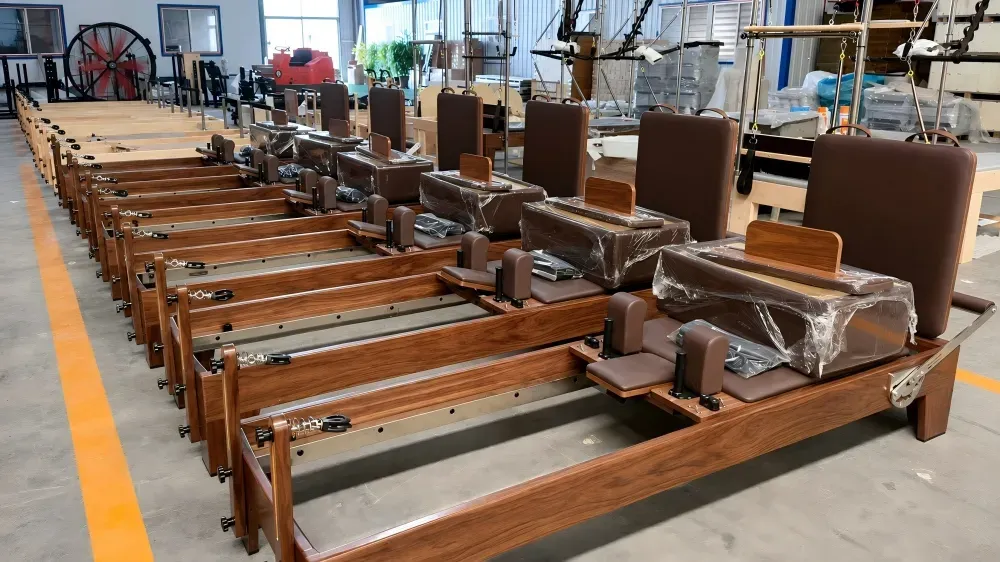
Natural maple, beech and oak finishes are often chosen for warm, wellness-oriented studios. A commercial Walnut Pilates Reformer may be suitable for studios seeking a darker and more luxurious visual identity.
Aluminum Reformers can complement modern, athletic or minimalist concepts, especially when the frame and upholstery colors are coordinated with the studio interior.
Before placing an order, buyers should confirm:
- Available frame materials and finishes
- Upholstery colors and material
- Whether custom colors require a minimum quantity
- Color consistency across the full order
- Additional customization lead time
- Whether branding or logo options are available
Customization should not be treated only as decoration. A visually consistent equipment package can strengthen a studio’s identity and increase the perceived value of its classes.
6. The Accessory List Must Be Clearly Defined
One of the most common purchasing misunderstandings is assuming that every accessory shown in a product image is included in the quoted price.
A commercial Reformer package may include a Standing Platform, Sitting Box or Long Box and Jumpboard, but suppliers configure packages differently. Every quotation should clearly separate standard accessories from optional items.
Common Reformer and studio accessories include:
- Sitting Box or Long Box
- Jumpboard
- Platform Extender
- Standing Platform
- Double Loop Straps
- Foot Strap
- Roll-Up Pole
- Resistance bands
- Pilates rings
- Small balls
- Mats
- Ankle straps or ankle weights
A complete Pilates accessories set can help a new studio coordinate the color and style of its smaller training products.
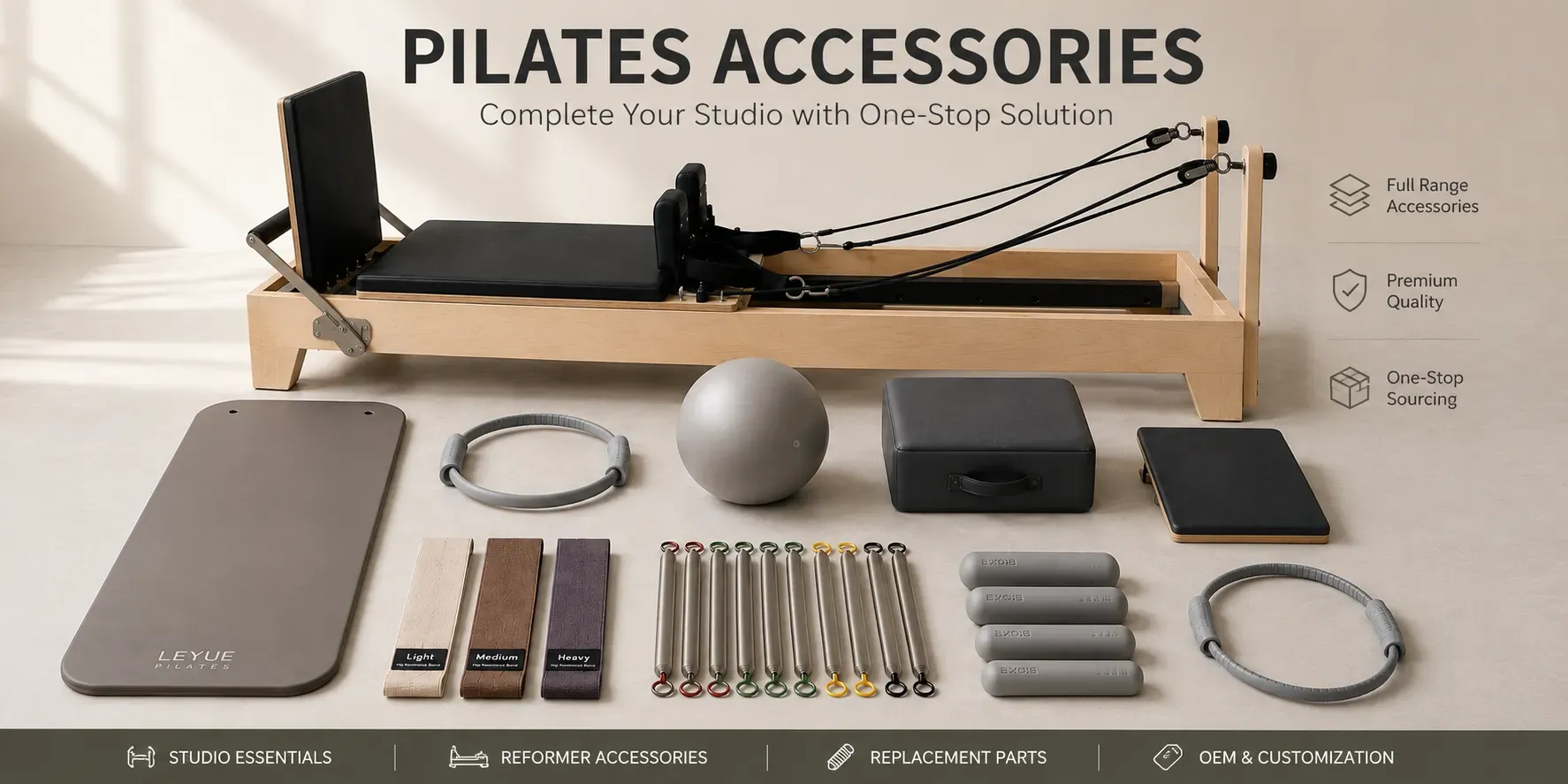
Studios planning Reformer cardio classes should also check whether a compatible Pilates Reformer Jumpboard is included or must be ordered separately.
For group classes, it is generally practical to purchase matching accessories for every training station. Buying them with the main equipment order can simplify logistics and create a more consistent studio appearance.
7. Replacement Parts Are Essential for Daily Operations
For an established studio, a missing spring or damaged wheel is not just a maintenance problem—it can reduce class capacity and revenue.
Before buying equipment, studio owners should ask which replacement parts are available, how quickly they can be shipped and whether the parts are easy to install.
Frequently replaced components may include:
- Springs
- Ropes
- Hand and foot loops
- Pulleys
- Carriage wheels
- Bearings
- Foot straps
- Shoulder rests
- Upholstery components
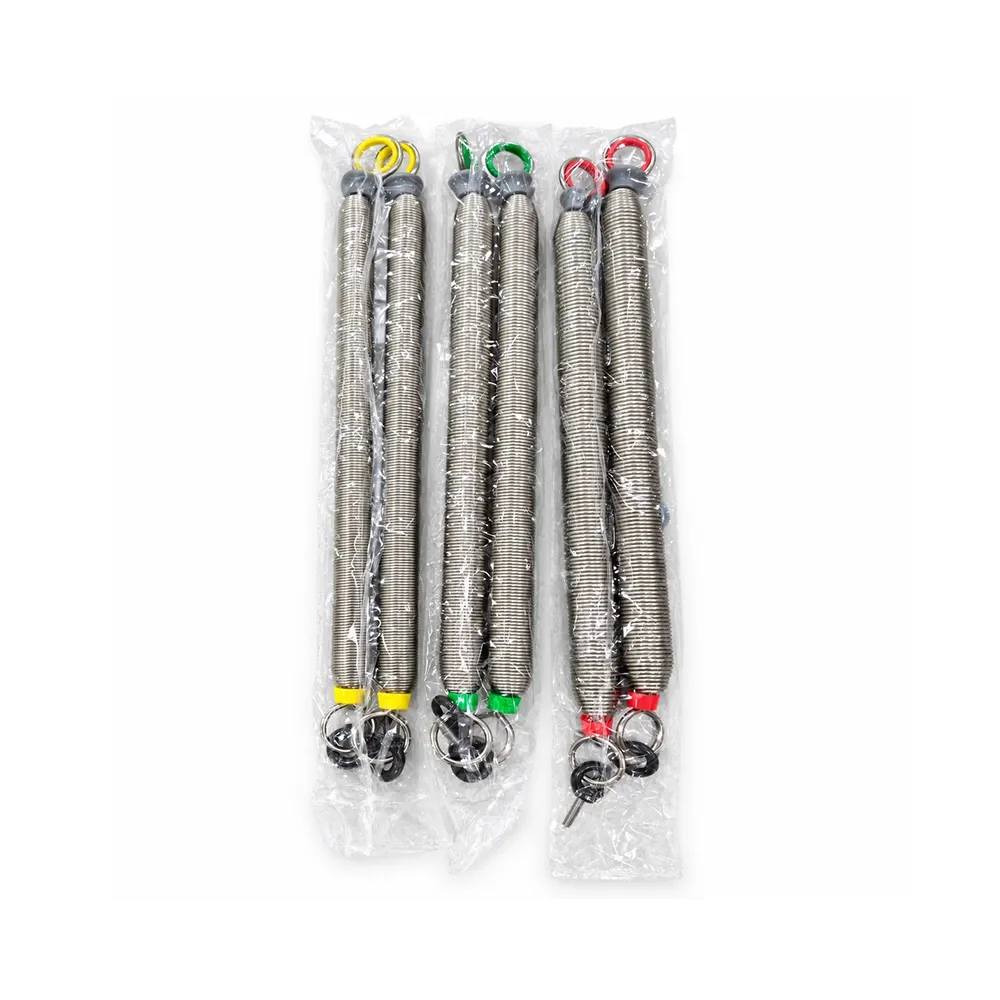
Studios should confirm that compatible replacement Reformer springs will remain available after the original equipment order.
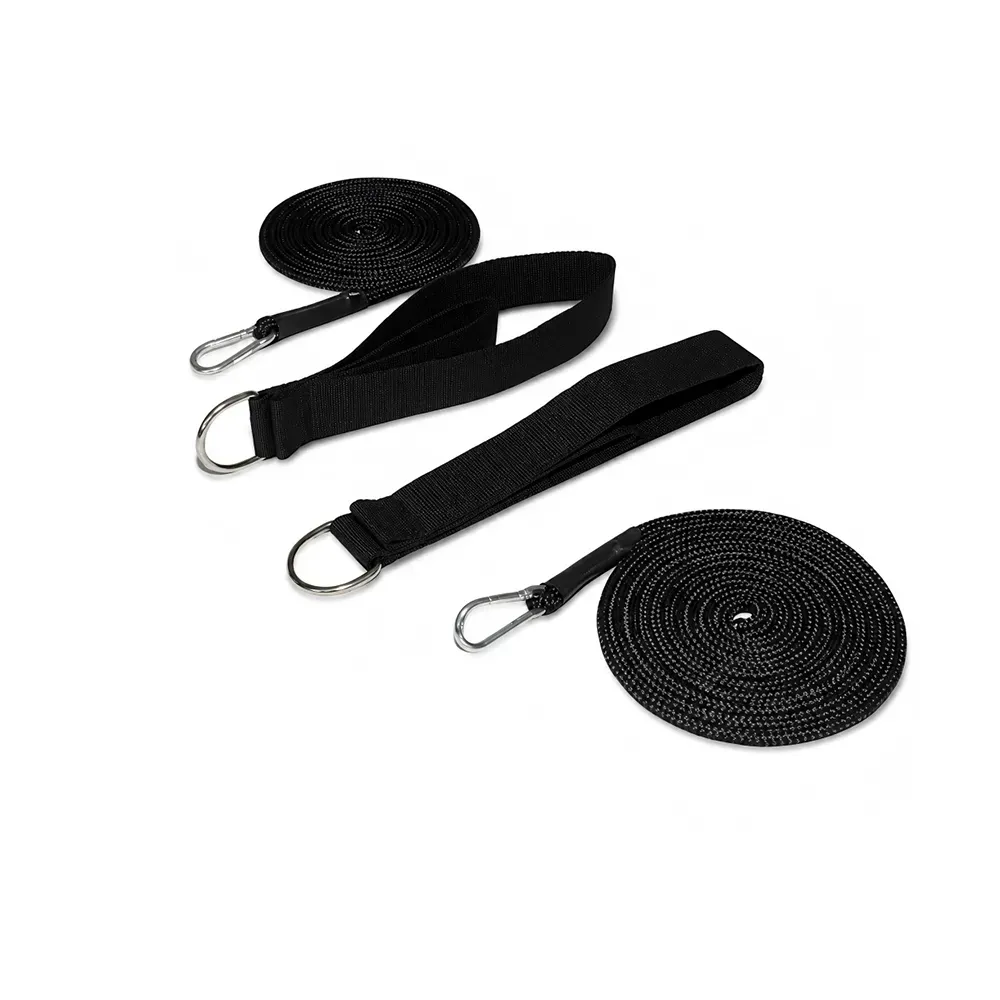
High-contact textile components such as replacement ropes and Double Loop Straps should also be easy to reorder.
It is often practical to purchase an opening spare-parts kit with the main equipment order. Having extra springs, ropes, loops and wheels in storage can prevent small maintenance issues from disrupting the class schedule.
8. Warranty Terms Should Reflect Commercial Use
Buyers should not evaluate a warranty only by the number of years shown in a brochure.
They should also check:
- Whether commercial studio use is covered
- Which structural parts are included
- Which moving and wearable parts are excluded
- Whether replacement parts or labor are covered
- What evidence is required for a warranty claim
- Who pays international or domestic shipping
- How quickly claims are normally processed
A clear warranty combined with readily available spare parts is often more valuable than a longer warranty with difficult claim procedures.
Studio owners should request the complete commercial warranty terms in writing before confirming an order.
9. Shipping and Import Costs Must Be Calculated in Advance
When purchasing directly from an overseas Pilates equipment manufacturer, the equipment price is only one part of the total investment.
Studio owners should request a detailed shipping quotation that explains:
- Production lead time
- Packaging method
- Carton or wooden-case dimensions
- Total shipment weight and volume
- Port-to-port or door-to-door delivery
- Customs-clearance responsibility
- Import duties and local taxes
- Residential or commercial delivery requirements
- Liftgate, forklift or unloading requirements
- Installation and assembly arrangements
Large Pilates equipment can generate additional charges when delivery conditions are not discussed in advance. Suppliers should confirm whether the shipment is delivered to the port, curbside, building entrance or directly inside the studio.
The studio should also confirm that doors, elevators and hallways can accommodate the packed or partially assembled equipment.
10. Compare Total Ownership Cost, Not Only Unit Price
The lowest-priced Reformer is not always the least expensive option over three to five years.
A more useful comparison includes:
- Equipment price
- Accessories included
- International and domestic freight
- Import charges
- Installation costs
- Expected maintenance
- Replacement-part availability
- Equipment downtime
- Warranty support
- Expected service life
Studios should request itemized quotations from each supplier and compare equivalent packages. One supplier may appear less expensive until necessary Boxes, Jumpboards, delivery services and replacement parts are added.
A complete landed-cost comparison gives the owner a more realistic picture of the investment required to open and operate the studio.
11. Consider the Complete Equipment Mix
Not every independent studio needs to operate exclusively with Reformers.
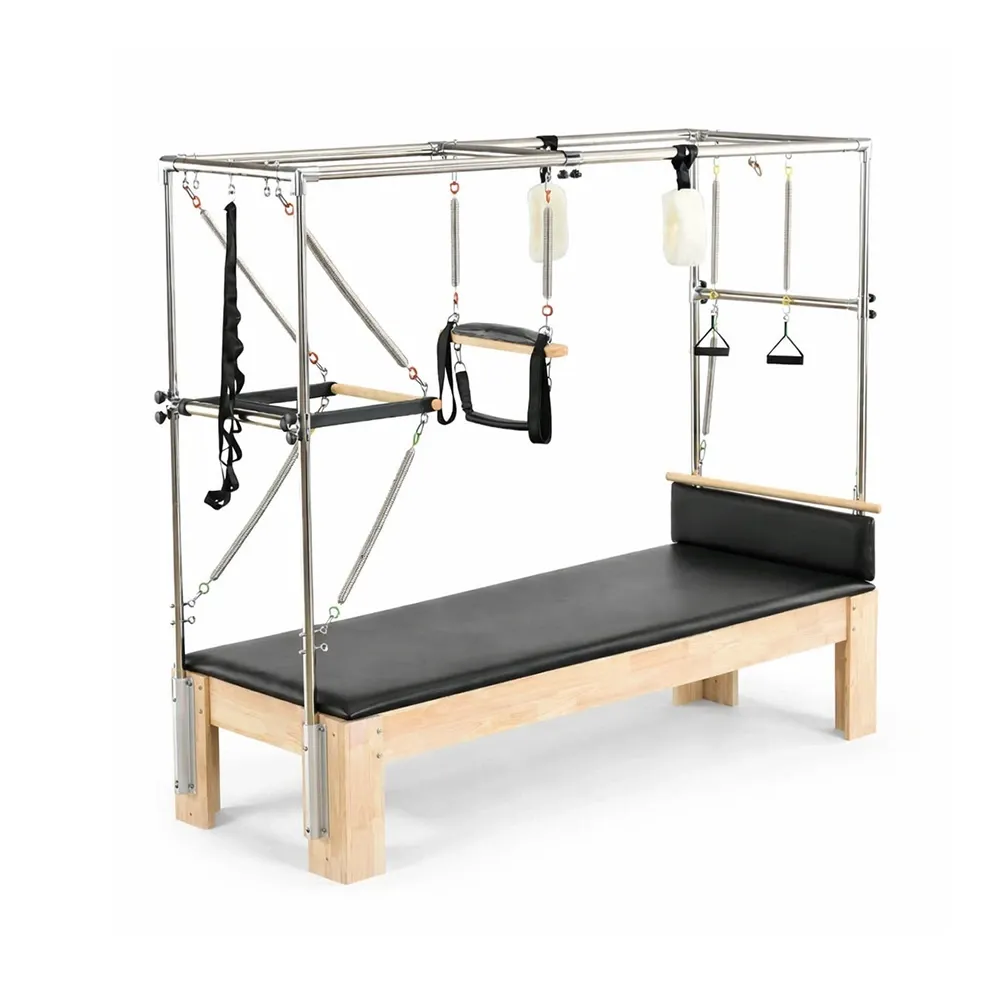
A classical or comprehensive Pilates studio may add a Full Trapeze Table Cadillac for private instruction and advanced programming.
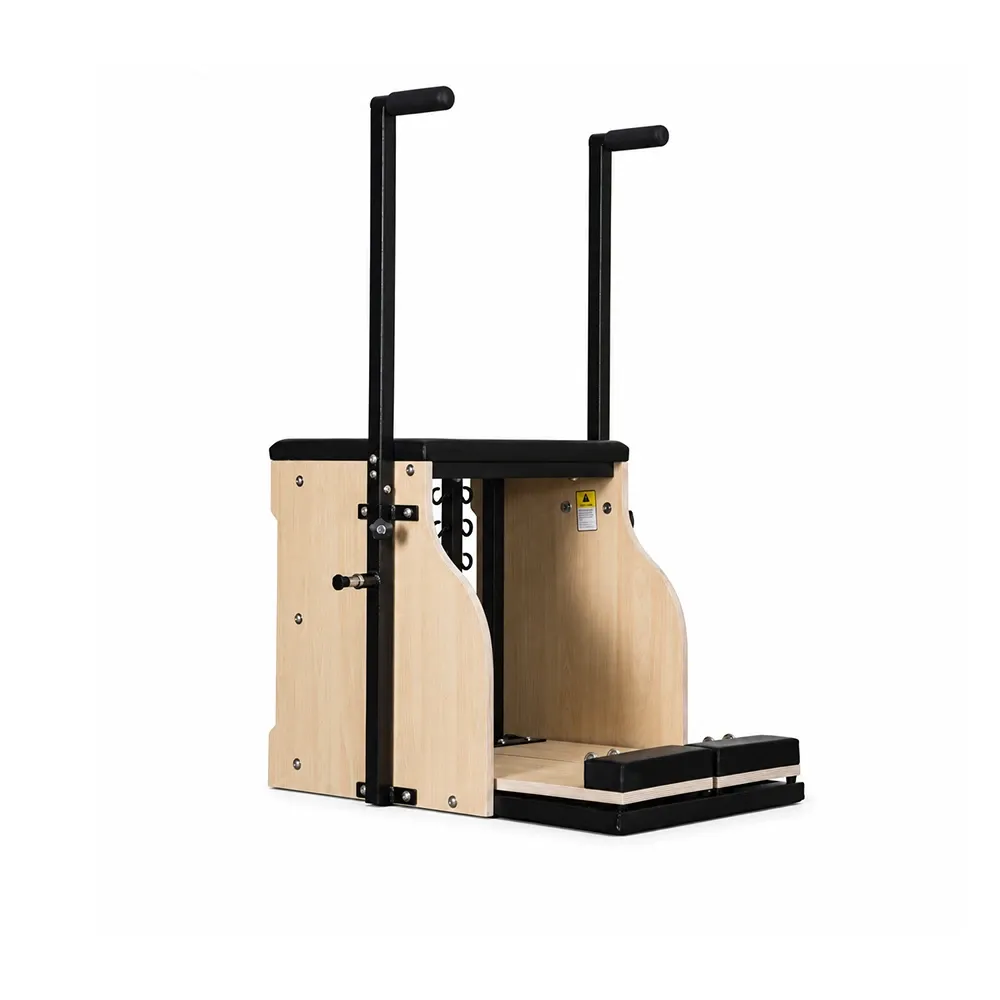
Compact apparatus such as a professional Wunda Chair can expand exercise options without requiring the same floor area as another full-size Reformer.
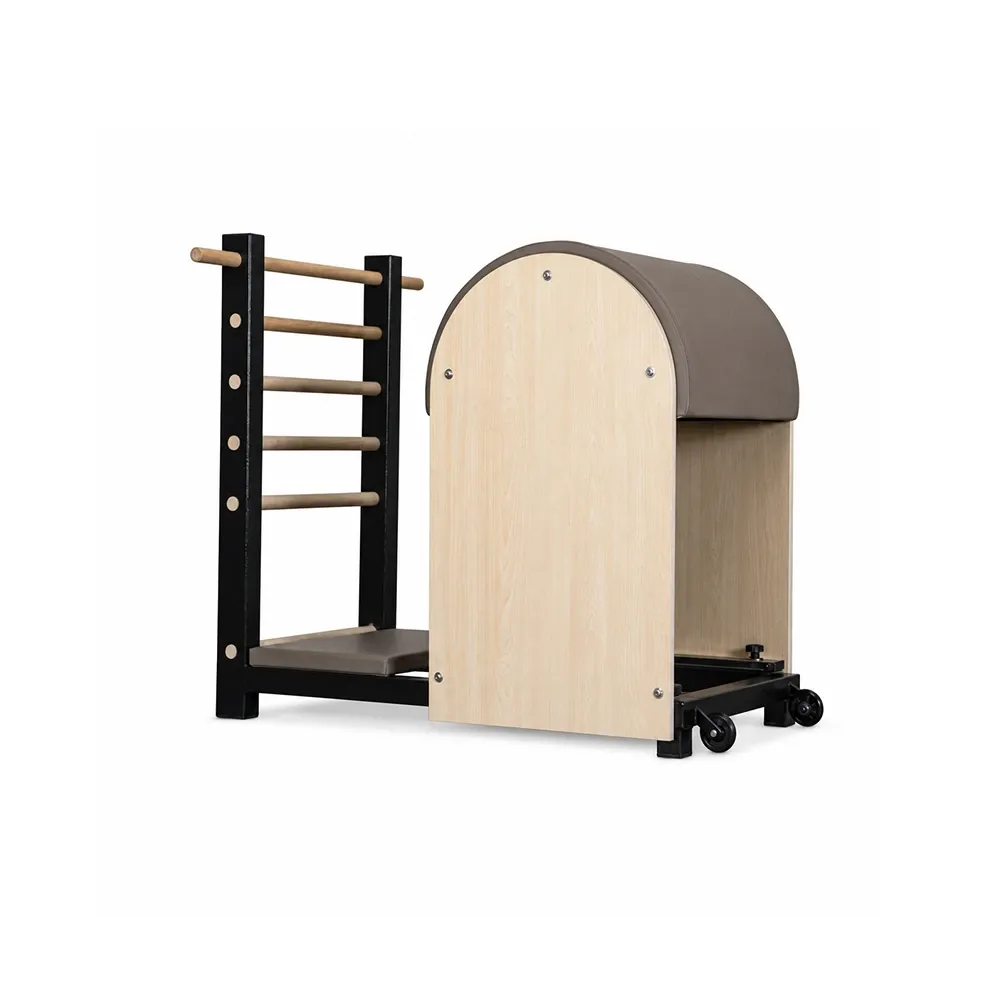
A Pilates Ladder Barrel may also support spinal mobility, flexibility and classical apparatus programming.
The final equipment mix should reflect the studio’s teaching method and revenue model. Buying every type of apparatus is not necessary if the studio mainly offers group Reformer classes. However, studios focused on private sessions, rehabilitation or classical Pilates may benefit from a broader selection.
12. Choose a Supplier That Understands Complete Studio Purchasing
Independent studio owners often need more than Reformers. They may also need Towers, Cadillacs, Chairs, Barrels, mats, rings, balls, straps and storage accessories.
Working with a manufacturer capable of supplying a coordinated studio package can reduce the number of shipments, simplify color matching and make future replacement orders easier.
Before making a final decision, buyers should ask for:
- Factory and production information
- Commercial product specifications
- Quality-control procedures
- Testing or certification documents
- Packaging photos
- References or completed studio projects
- Spare-parts pricing
- Estimated production and delivery schedule
- Written confirmation of the final configuration
A professional supplier should be comfortable answering these questions before requesting a deposit.
A Practical Purchasing Checklist
Before confirming an order, an independent Pilates studio should be able to answer the following questions:
- Does the equipment match our class format and expected daily usage?
- How many Reformers can the room safely accommodate?
- Are the carriage movement and spring resistance consistent?
- Which accessories are included in the price?
- Can the frame and upholstery match our studio design?
- Are replacement parts readily available?
- Does the warranty cover commercial use?
- What is the complete delivered cost?
- Who is responsible for customs clearance, unloading and assembly?
- Can the supplier support future expansion?
Final Thoughts
Independent Pilates studios do not need the purchasing power of a global chain to create a professional training environment. They need the right equipment mix, dependable commercial construction and a supplier that communicates clearly throughout production, shipping and after-sales service.
Since 2007, Leyue Pilates has focused on manufacturing commercial wooden and aluminum Pilates equipment for studios, distributors and private-label partners. Our equipment options include customizable frame finishes, upholstery colors, replacement components and coordinated accessories for complete studio projects.
Whether you are opening a private studio, a classical Pilates space or a group Reformer concept, Leyue can help you evaluate equipment quantities, studio layout, accessory packages, shipping options and spare-part requirements.
Contact Leyue Pilates to request a commercial equipment catalog or a customized quotation for your studio.