
Jul 4, 2026Industry Insights & Trends
What Experienced Studio Owners Look for in a Commercial Pilates Reformer
What makes a great commercial Pilates reformer? Discover the five details experienced studio owners care about beyond specifications and price.
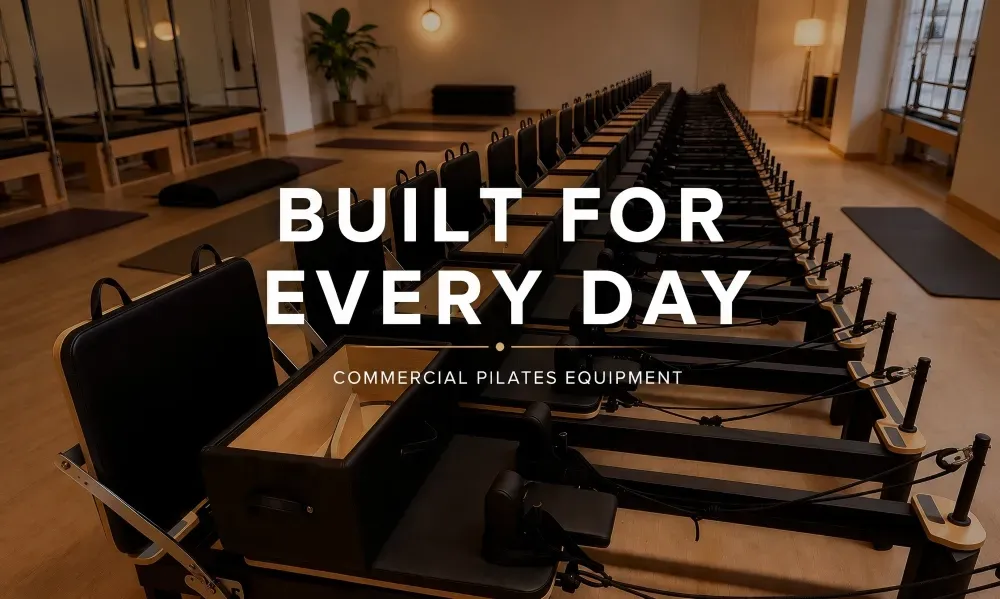
What Experienced Studio Owners Really Pay Attention to When Buying a Commercial Pilates Reformer
If you've compared commercial Pilates reformers online, you've probably noticed something.
Most of them look remarkably similar.
The specifications are almost the same.
The product photos all look polished.
The descriptions often use the same words—commercial grade, premium quality, smooth carriage, durable frame.
Yet the prices can vary by hundreds, sometimes even thousands of dollars.
So where does the difference actually come from?
One thing we've learned from working with Pilates studios, distributors, and fitness brands is that experienced buyers don't spend much time comparing brochures.
Instead, they pay attention to the details that affect the machine after six months, one year, or even five years of daily commercial use.
Those details rarely appear in a quotation sheet.
But they're often what determine whether a studio owner is happy with the purchase.
Different Buyers Ask Different Questions
When someone is opening their first studio, the conversation usually starts with specifications.
Questions like:
- Is it maple or beech?
- How many springs does it have?
- Is the frame aluminum or wood?
- Does it include a jump board?
These are all reasonable questions.
But after operating a studio for a few years, the questions become very different.
Instead of asking about specifications, experienced buyers tend to ask things like:
- How often will I need to replace parts?
- Will instructors still enjoy using this machine after a year?
- If I order more units next year, will they feel exactly the same?
- Can I still get spare parts several years later?
That's usually the moment when the discussion shifts.
They're no longer buying a machine.
They're investing in equipment that their business will rely on every day.
1. Nobody Complains About a Machine on Day One
A brand-new reformer almost always makes a good first impression.
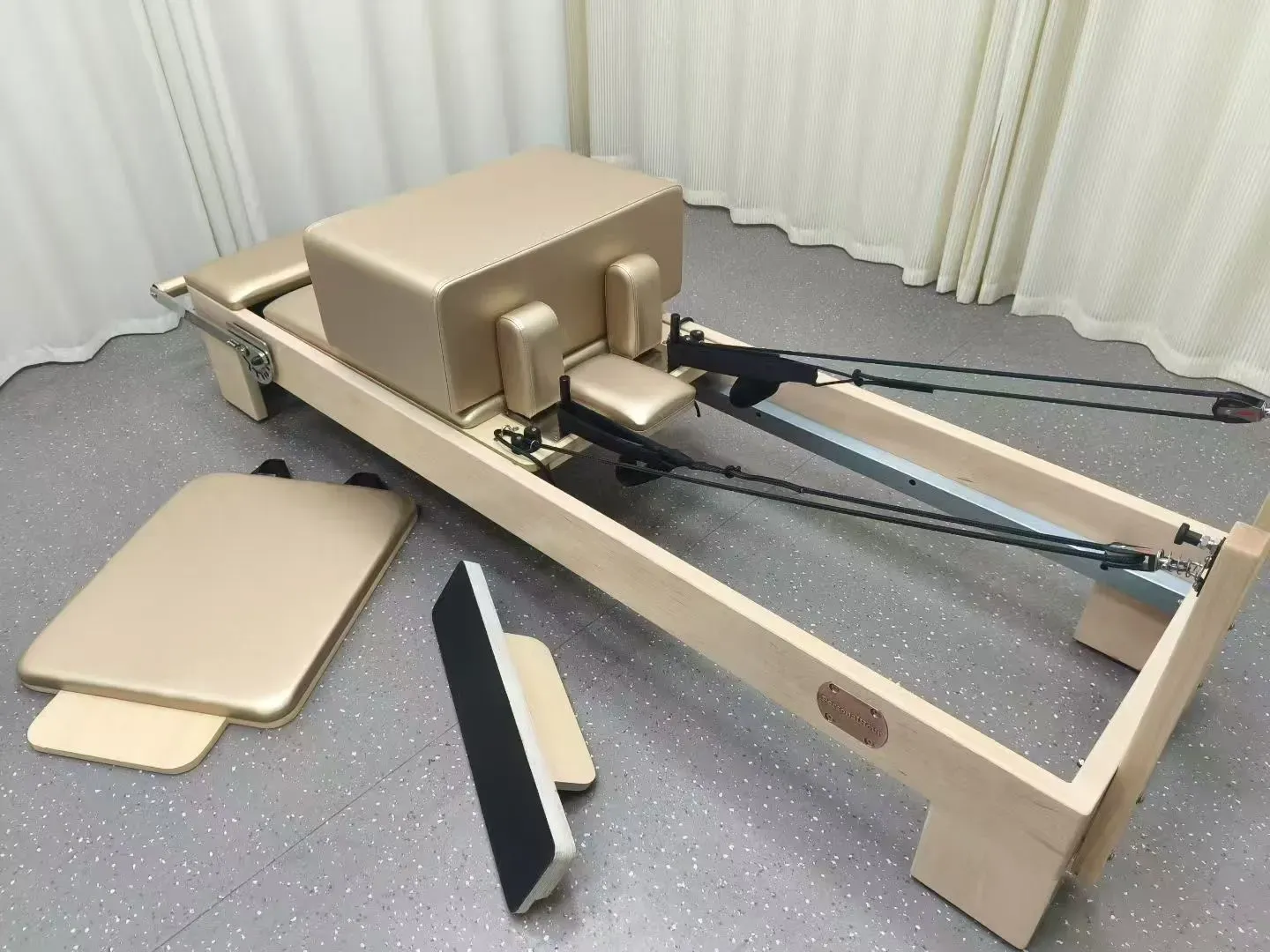
Fresh upholstery.
Clean finish.
Smooth movement.
But that's not where commercial quality is tested.
The real test begins after hundreds—or even thousands—of classes.
Commercial studios may use the same reformer ten or twenty times every day.
Small issues that seem insignificant during the first week become much more noticeable over time.
That's why experienced buyers don't just ask how the machine looks.
They ask how it performs after years of commercial use.
Long-term durability is rarely the result of one expensive component.
It's usually the result of consistent manufacturing and careful attention to detail.
2. Ask Any Instructor What They Check First
We've had this conversation with many studio owners and instructors over the years.
The answer is surprisingly consistent.
Most of them don't start by looking at the frame.
They simply push the carriage.
Within a few seconds, they already have a first impression.
A good commercial reformer should glide smoothly, quietly, and consistently.
There shouldn't be sticking, vibration, uneven resistance, or unnecessary noise.
Clients may not know why one reformer feels better than another.
But they almost always notice the difference.
3. The Small Details Usually Become the Biggest Complaints
One thing we've noticed is that service issues rarely come from the main frame.
Instead, they usually come from the components people use every day.
A footbar that gradually becomes loose.
Platforms that don't feel completely stable.
A pulley that starts making noise.
Bolts that need tightening more often than expected.
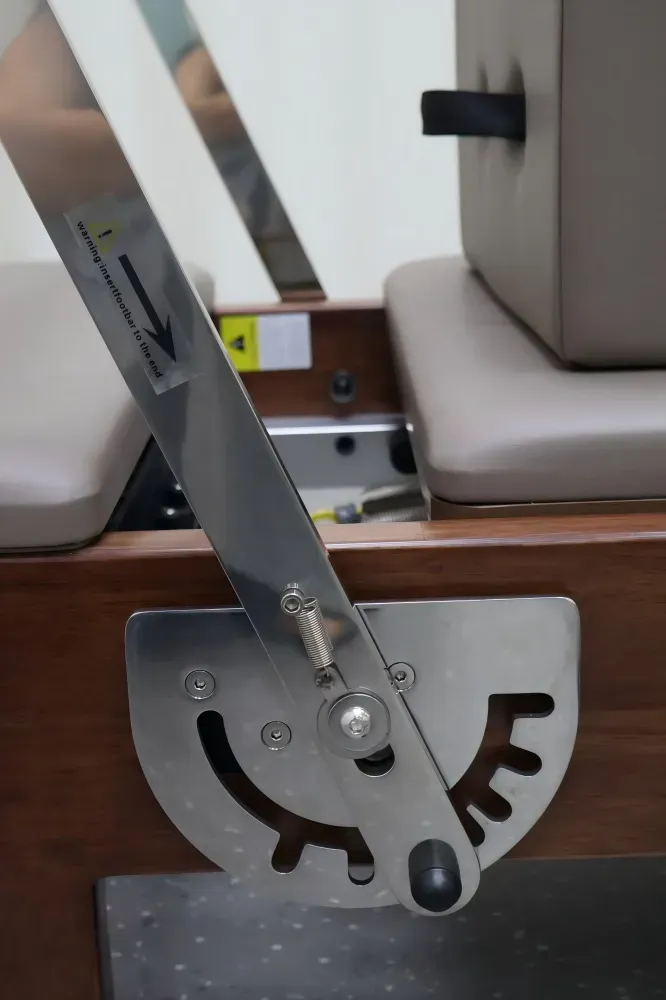
None of these are major failures on their own.
But in a busy studio, they become daily interruptions.
Ironically, it's often these small details—not the large structural components—that determine how owners feel about a machine after a year of use.
4. Upholstery Is About More Than Appearance
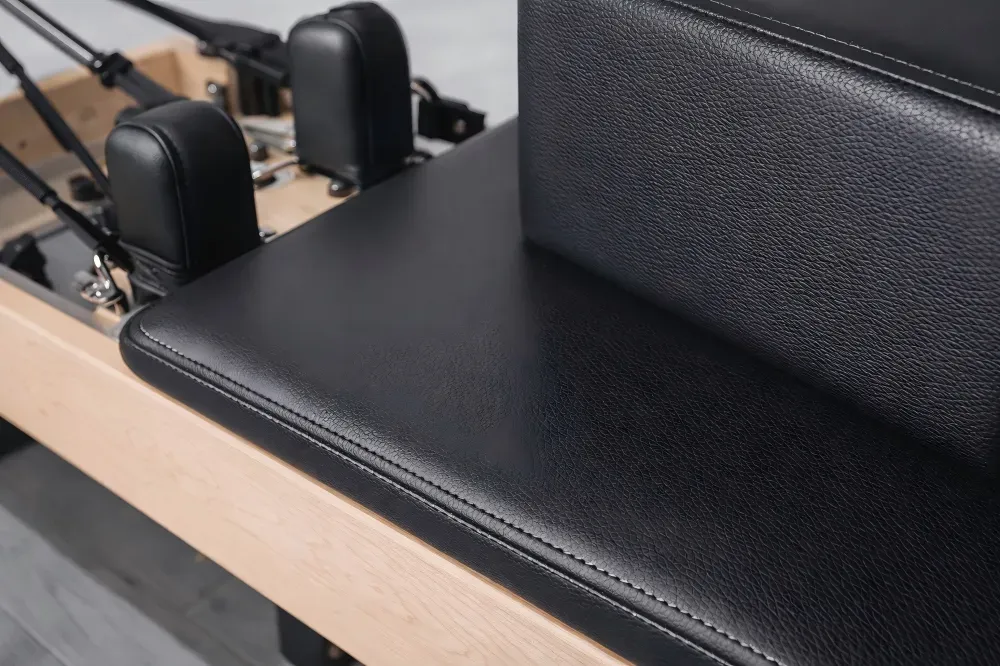
Many buyers choose upholstery based on color.
Studio owners usually think differently.
They ask practical questions.
Will it become slippery after daily cleaning?
Can it withstand disinfectants used after every class?
Will it still look professional after thousands of client sessions?
Commercial equipment isn't judged by how it looks in product photos.
It's judged by how it looks after years of regular use.
A durable, easy-to-clean upholstery may not be the most exciting feature to talk about—but it quickly becomes one of the most appreciated.
5. Consistency Is More Valuable Than Perfection
Almost any manufacturer can produce one good reformer.
The real challenge is producing fifty—or a hundred—that all feel the same.
This becomes especially important for studios with multiple instructors or multiple locations.
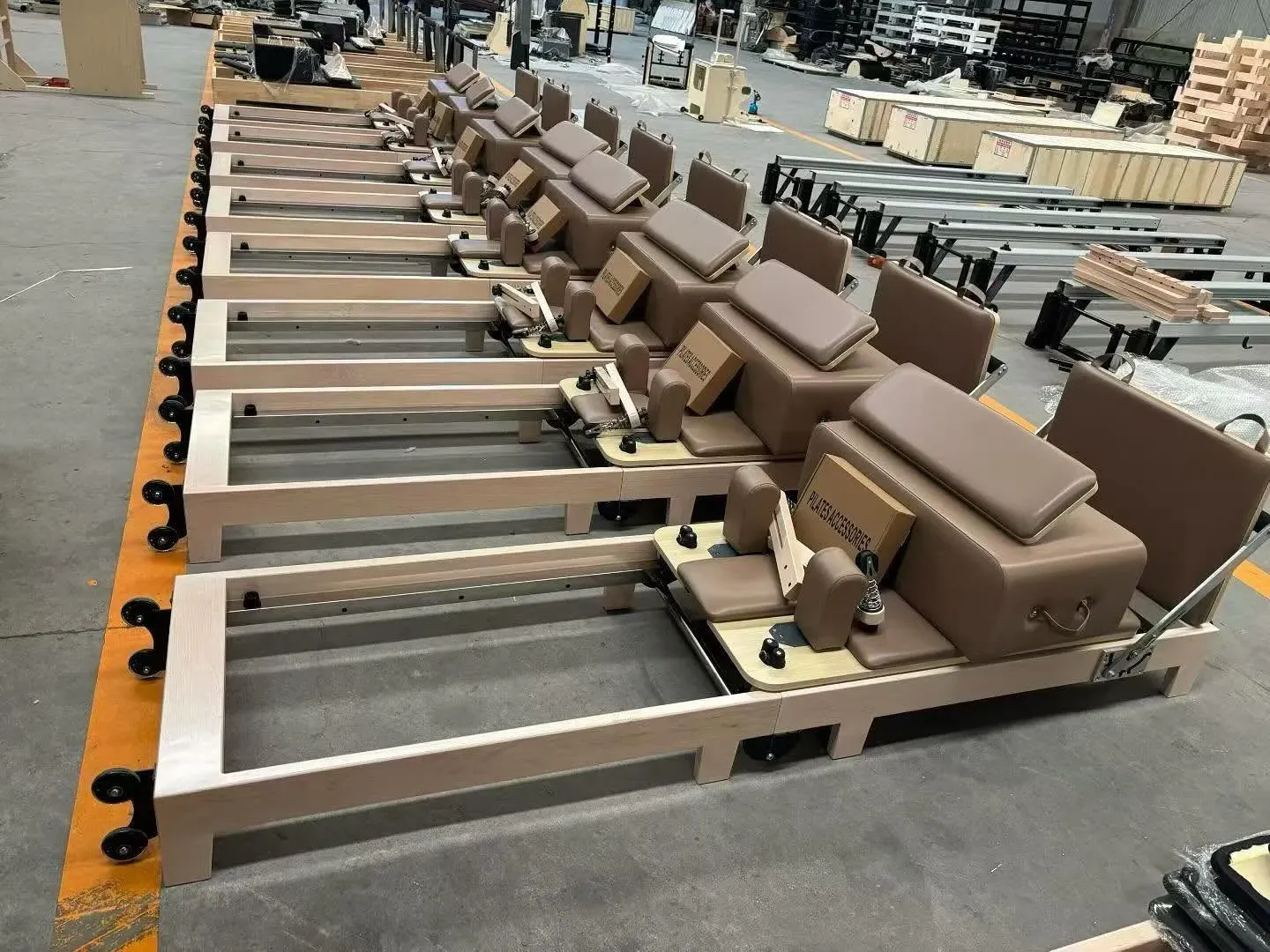
Clients expect the same experience on every machine.
Owners expect replacement parts to fit years later.
Distributors expect repeat orders to match previous batches.
Consistency isn't always obvious on delivery day.
But it's one of the first things experienced buyers notice over time.
So, What Does Quality Control Really Mean?
Many people think quality control happens just before shipment.
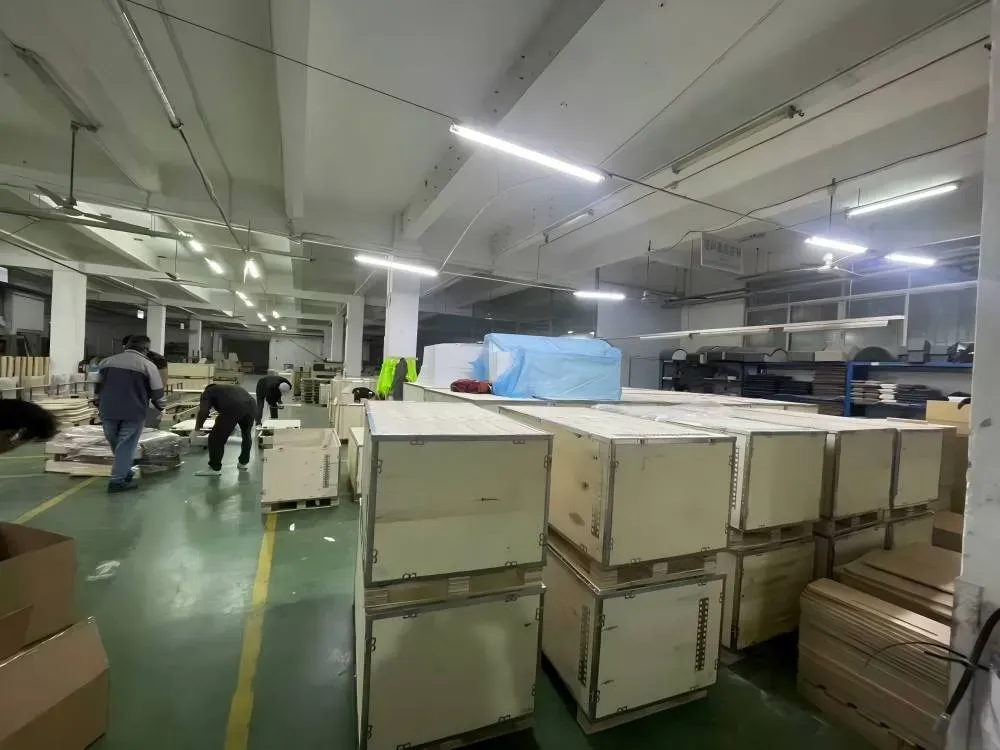
In reality, that's only the final checkpoint.
Most quality issues are influenced much earlier.
The materials selected.
The machining accuracy.
The consistency of assembly.
The way accessories are packed.
Even how products are protected during transportation.
Quality isn't something that's added at the end of production.
It's built into the process from the very beginning.
One Studio Owner Said Something We Never Forgot
During one conversation with a studio owner, they said something that has stayed with us ever since:
"The best reformer is the one nobody talks about."
At first, that sounded strange.
But the more we thought about it, the more it made sense.
When equipment works well, instructors focus on teaching.
Clients focus on training.
Owners focus on growing their business.
The reformer simply does its job, quietly and consistently.
It's usually the machines with small recurring problems that become the center of attention.
Good commercial equipment should almost disappear into the background.
That's probably one of the highest compliments a reformer can receive.
Final Thoughts
After enough conversations with studio owners, you begin to notice the same pattern.
People rarely remember the exact specifications of a reformer.
They remember how it feels to use.
Whether the carriage still glides smoothly after thousands of sessions.
Whether instructors trust it.
Whether it quietly performs its job without becoming another maintenance project.
In the end, that's what defines a good commercial Pilates reformer.
Not the brochure.
Not the specification sheet.
And not even the price.
But the experience it continues to deliver, year after year.
Looking for Commercial Pilates Equipment?
Whether you're opening your first Pilates studio or expanding an existing business, choosing commercial equipment is about more than comparing specifications.
If you'd like to discuss different materials, configurations, or OEM options, we'd be happy to share what we've learned from working with studios and distributors in different markets.