
Jul 4, 2026Product Knowledge & Guides
Pilates Spare Parts Guide for Studios & Distributors
Learn how Pilates studios and distributors can reduce downtime, manage spare parts, and avoid costly after-sales support issues.
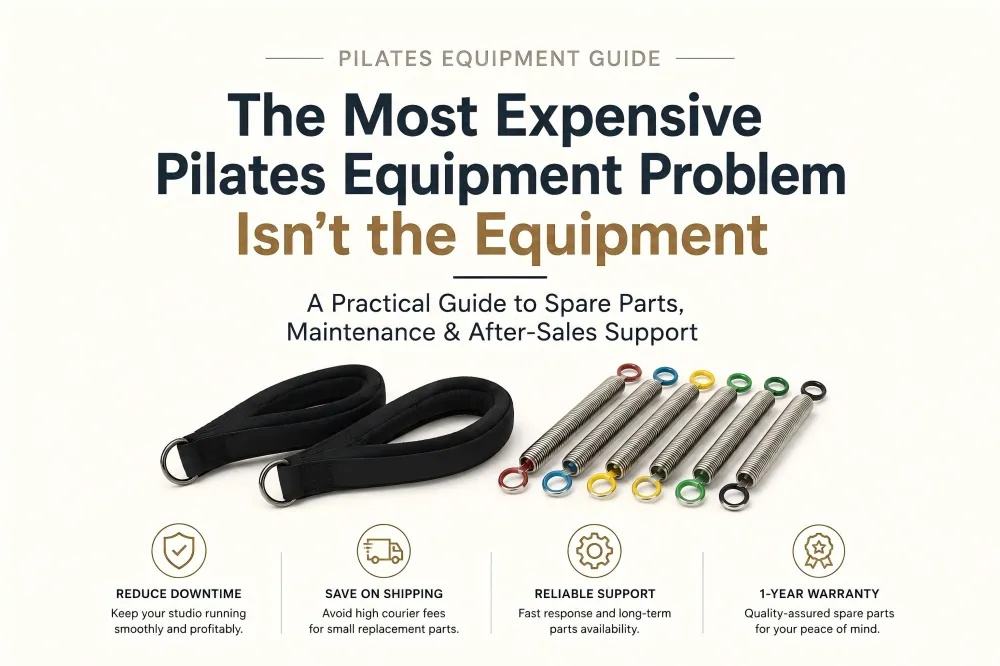
The Most Expensive Pilates Equipment Problem Isn't the Equipment
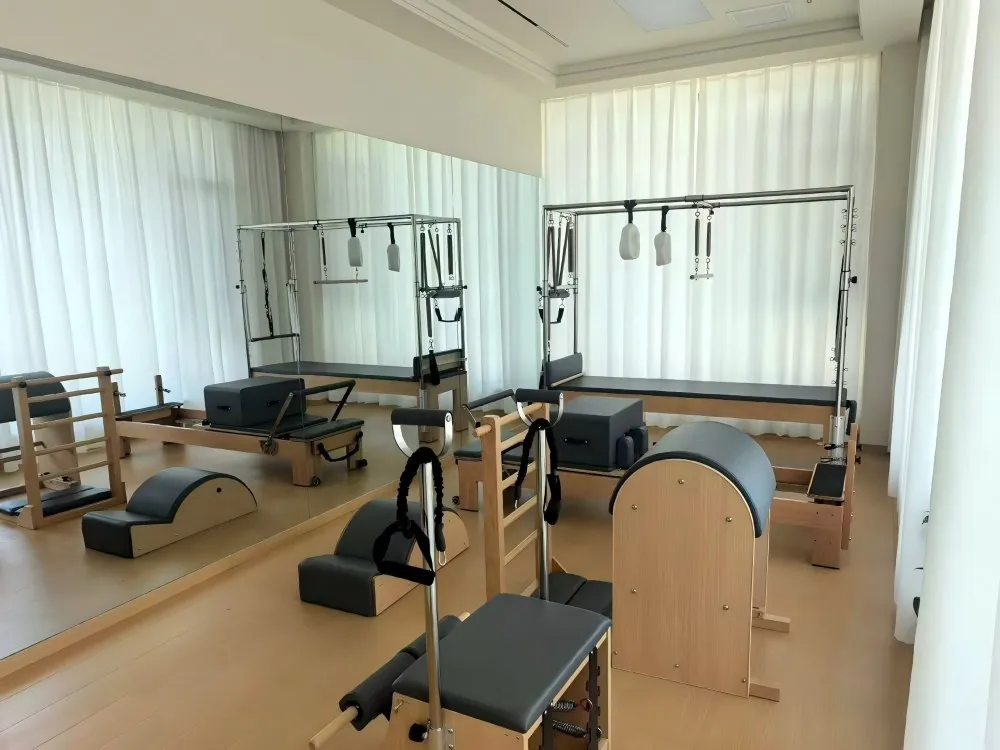
the conversation usually starts the same way.
They ask about the wood.
They ask about the frame.
They ask about the springs.
They ask about pricing, production time, and shipping costs.
All reasonable questions.
But after years of exporting fitness equipment, I've noticed something interesting.
The biggest problems buyers face rarely happen when they place the order.
They happen six months, one year, or even two years after the equipment arrives.
A spring needs replacing.
A pulley becomes damaged.
A rope shows signs of wear.
A strap reaches the end of its service life.
None of these are major problems on their own.
The real problem begins when the buyer discovers that getting a replacement part is harder than buying the machine in the first place.
A $20 Part Can Become a $100 Problem
One of the most common mistakes I see first-time importers make is assuming replacement parts will always be available when they need them.
In reality, that's not always the case.
I've spoken with studio owners who spent days trying to contact suppliers that stopped responding after delivery.
I've seen distributors pay more to ship a replacement pulley than the pulley itself was worth.
I've also seen businesses delay repairs simply because they didn't want to deal with international shipping, customs paperwork, and courier costs for a single small component.
The irony is that the replacement part is usually inexpensive.
The shipping isn't.
When equipment is sourced internationally, logistics often become the biggest cost, not the part itself.
The Difference Between Buying Equipment and Building a Business
For home users, waiting a few weeks for a replacement part may be inconvenient.
For commercial buyers, it's different.
A studio owner doesn't just own equipment.
They own a schedule.
Every reformer in the studio represents booked classes, paying clients, and daily revenue.
If a machine sits unused because of a missing component, the cost quickly exceeds the value of the replacement part.
Distributors face a similar challenge.
When a customer calls with a service issue, they expect answers immediately.
The distributor's reputation depends on solving the problem quickly.
That's why experienced distributors don't just evaluate product quality.
They evaluate after-sales support.
The Buyers Who Have the Fewest Problems Usually Do One Thing
They plan for maintenance before the equipment arrives.
This may sound obvious, but many buyers focus so heavily on negotiating the purchase price that they forget to think about what happens later.
The most experienced studio owners often order a small spare parts package together with their equipment.
Not because they expect problems.
Because they understand how international logistics works.
A few extra springs.
Several spare ropes.
Additional pulleys.
Replacement straps.
Basic hardware.
When these items are shipped together with the original order, the additional cost is usually minimal.
Ordering them separately a year later is often far more expensive.
Not All Spare Parts Are Equal
Over time, every piece of commercial fitness equipment will require maintenance.
That's normal.
The question is not whether parts will eventually wear.
The question is whether the supplier can support you when they do.
When evaluating a manufacturer, I believe buyers should pay attention to three things.
Spare Parts Availability
Many buyers never ask this question until they actually need support.
By then, it's too late.
Response Speed
A quality supplier doesn't disappear after the invoice is paid.
If a customer reports an issue, they should receive a timely response and a practical solution.
Fast communication often matters more than the part itself.
Clear Warranty Policies
Buyers should know exactly what is covered and what is not.
A transparent warranty policy eliminates confusion and builds trust.
Our Approach to Spare Parts Support
One concern we hear frequently from overseas buyers is:
"What happens if I need replacement parts after delivery?"
It's a fair question.
For this reason, we provide a 1-year warranty on key replacement components, including springs, ropes, pulleys, straps, and standard hardware parts against manufacturing defects.
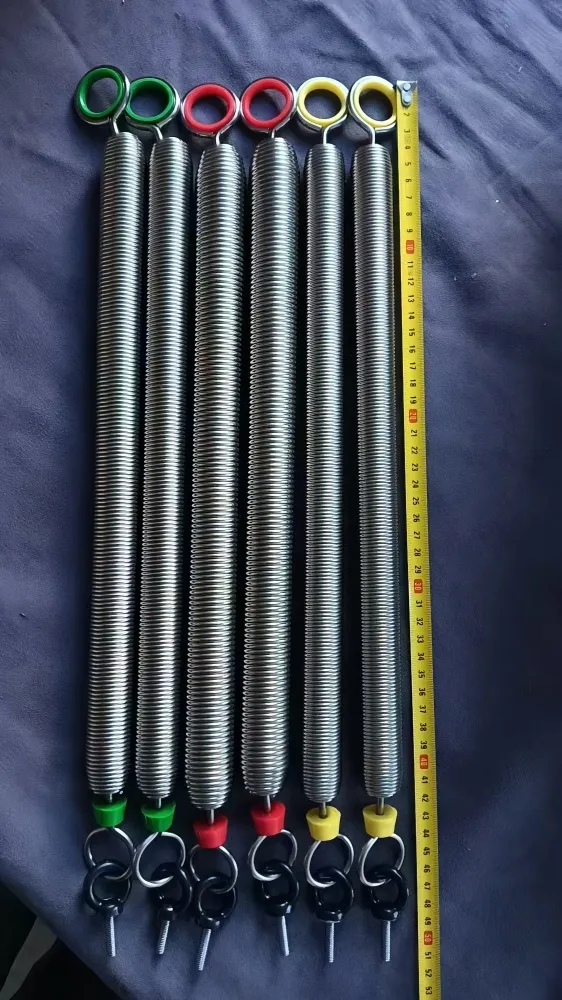
If a quality-related issue occurs during the warranty period, customers can simply provide photos or videos for evaluation.
Our team will review the case and provide an appropriate solution as quickly as possible.
Beyond the warranty period, replacement parts remain available for purchase, helping studios and distributors maintain their equipment for years rather than replacing it prematurely.
For larger projects, distributors, and OEM customers, we also recommend ordering spare parts together with the original shipment to reduce future logistics costs and minimize potential downtime.
The Question Every Buyer Should Ask
After years in manufacturing and exporting, I've learned that buyers rarely regret paying a little more for a reliable supplier.
What they regret is discovering too late that the supplier cannot support them after the sale.
Before comparing another quotation or negotiating another discount, ask one simple question:
"What happens if I need a replacement part one year from now?"
The answer will tell you almost everything you need to know about the company standing behind the equipment.
Because in the long run, the true value of Pilates equipment is not measured by the day it arrives.
It's measured by how well it continues to perform years later—and by the people who stand behind it when support is needed.