
Jun 26, 2026Product Knowledge & Guides
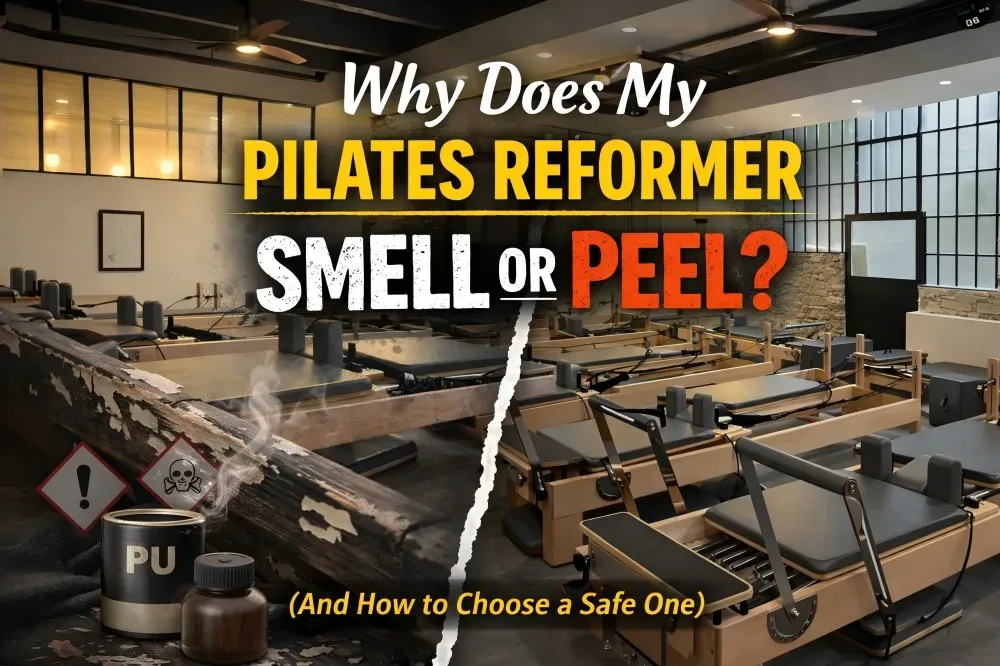
Why Does My Pilates Reformer Smell or Peel? (And How to Choose a Safe One)
Does your Pilates reformer smell or start peeling? Learn how coating quality affects safety, durability, and long-term performance.
Introduction: A Problem Many Buyers Don’t Expect
You invest in a Pilates reformer, expecting a clean, professional, long-lasting piece of equipment.
But a few months later, problems start to appear.
The surface feels slightly sticky.
The edges begin to peel.
And every time you walk into the room, there’s still a faint chemical smell.
If this sounds familiar, you’re not alone.
What most buyers don’t realize is this:
The coating and paint process plays a critical role in how a Pilates reformer looks, feels, and performs over time.
It’s not just about aesthetics — it directly affects durability, safety, and user experience.
If you’re currently looking for a high-quality Pilates reformer for home use, understanding materials and coating is essential.
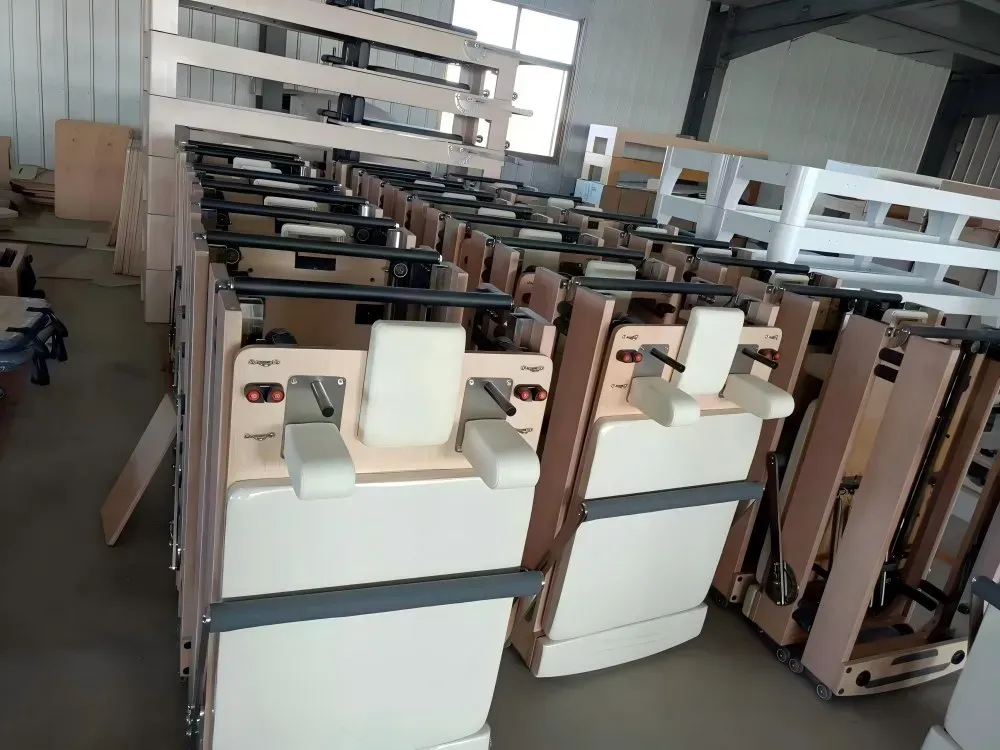
Why Do Some Pilates Reformers Start Peeling or Smelling?
At first glance, most reformers look similar. Smooth surface, nice color, clean design.
But what’s happening beneath the surface tells a completely different story.
Low-cost manufacturing often cuts corners in two key areas:
1. Insufficient Coating Layers
Many products use:
- 1 layer of primer
- 1 layer of top coat
This reduces cost and production time, but it also means:
- The material is not fully sealed
- Moisture can penetrate
- The coating becomes unstable over time
👉 Result: peeling, bubbling, or surface cracking.
2. Use of Solvent-Based Paints
Some manufacturers use:
- PU (polyurethane) coatings
- Nitrocellulose paints
These can create a smooth finish initially, but they often come with:
- Strong chemical odors
- Higher VOC emissions
- Longer off-gassing periods
👉 Result: lingering smells and potential health concerns in indoor environments.
What Makes a High-Quality Coating System Different?
A professional-grade Pilates reformer doesn’t rely on appearance alone.
It uses a structured coating system designed for long-term performance.
The 3 Primer + 2 Top Coat System
Instead of a basic coating, a higher-quality process includes:
- 3 layers of primer
- 2 layers of top coat
This structure significantly improves both durability and appearance.
This is why many durable Pilates reformers for studios use multi-layer coating systems instead of basic finishes.
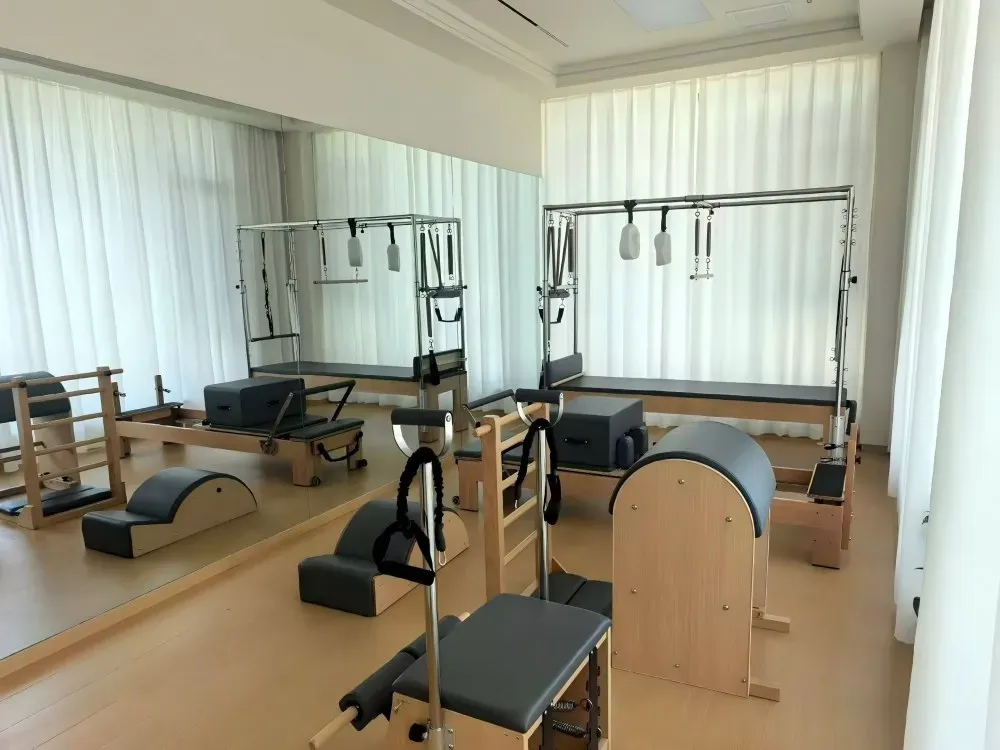
What Does This Mean in Simple Terms?
Layer Type | Function | Benefit |
|---|---|---|
Primer layers | Seal and stabilize the material | Prevent moisture penetration |
Top coats | Protect the outer surface | Resist scratches and wear |
👉 Think of it like building a protective shield:
- Inner layers = strength and stability
- Outer layers = protection and finish
Real-Life Impact
With a multi-layer coating system, you get:
- A smoother, more refined surface
- Strong resistance to peeling
- Better performance in humid environments
- Longer product lifespan
👉 Simply put: it still looks new after years, not months
Aesthetic Matters — But It’s Not Just About Looks
A well-coated reformer should feel as premium as it looks.
High-Gloss, Refined Finish
A high-quality coating delivers:
- Smooth and even surface
- Consistent color and texture
- Elegant gloss that enhances the overall design
This is especially important for:
- Pilates studios (first impression matters)
- Home users who value clean, modern spaces
Durability Behind the Beauty
The same coating that creates a beautiful finish also provides:
- Resistance to daily scratches
- Protection from cleaning chemicals
- Stability in humid environments
👉 So the benefit is not just visual — it’s long-term performance.
Water-Based vs PU vs Nitro Paint: What You Should Know
One of the most overlooked factors in Pilates equipment is paint type.
Here’s a clear comparison:
Paint Type | Odor Level | Safety | Home Use Suitability |
|---|---|---|---|
Water-based paint | Very low | High | ✅ Ideal |
PU paint | Medium to strong | Moderate | ⚠ Limited |
Nitro paint | Strong | Low | ❌ Not recommended |
Why Water-Based Paint Is the Better Choice
Water-based coatings offer several advantages:
- Low VOC emissions
- No formaldehyde
- Minimal odor after production
This makes them especially suitable for:
- Home gyms
- Families with children
- Sensitive users (e.g. asthma, pregnancy)
If you’re searching for non-toxic Pilates equipment for home, choosing water-based coating is critical.
The Hidden Risk of “New Equipment Smell”
Many people assume a chemical smell is normal.
It’s not.
👉 A strong or persistent odor usually indicates:
- Solvent-based coatings
- Incomplete curing
- Lower-quality materials
And in a closed indoor environment, this matters more than you think.
Performance in Humid Environments (A Critical Factor)
Pilates reformers are exposed to:
- Sweat
- Repeated cleaning
- Indoor humidity
Without proper sealing, moisture can:
- Penetrate the material
- Cause swelling or deformation
- Lead to coating failure
How Multi-Layer Coating Solves This
With proper primer sealing:
- Moisture is blocked from entering
- Structural stability is maintained
- Surface integrity stays intact
👉 Especially important for:
- Coastal regions
- High-usage studios
- Home environments with limited ventilation
Scratch Resistance: Daily Use Matters
Everyday use involves:
- Friction from ropes and accessories
- Contact with shoes or skin
- Frequent cleaning
Low-quality coatings will:
- Scratch easily
- Become dull or sticky
- Lose their smooth finish
What a Durable Coating Provides
A high-quality system ensures:
- Strong abrasion resistance
- Long-lasting smooth texture
- Consistent appearance over time
👉 Your equipment continues to look professional, even after years of use.
Many buyers underestimate how important build quality is when choosing a long-lasting Pilates reformer.
How Professional Manufacturers Verify Quality
Reliable manufacturers don’t rely on appearance alone — they test performance.
Common Coating Tests
- Adhesion test Ensures the paint bonds firmly and won’t peel
- Abrasion resistance test Simulates long-term use and friction
- Humidity resistance test Tests performance under moisture exposure
Why This Matters for Buyers
These tests simulate real-world conditions, not just factory conditions.
👉 If a supplier cannot provide testing data,
you’re relying purely on appearance — not performance.
How Long Should a Pilates Reformer Last?
With proper materials and coating:
- Surface should remain intact for 5–10+ years
- No peeling, bubbling, or stickiness
- No persistent odor
If problems appear within the first year, it’s often due to:
- Insufficient coating layers
- Poor material sealing
- Low-quality paint systems
Buying Guide: 5 Questions You Should Always Ask
Before purchasing a Pilates reformer, ask:
- What type of paint is used? (water-based or solvent-based)
- How many coating layers are applied?
- Is the product formaldehyde-free?
- Are coating test reports available?
- Is it suitable for home use environments?
👉 Clear answers = reliable supplier
👉 Vague answers = potential risk
Conclusion: What Really Defines a High-Quality Reformer
A Pilates reformer is not just a piece of fitness equipment.
It’s something you use regularly, in close contact with your body, often in an enclosed indoor space.
So the real value comes down to three things:
- Safety (non-toxic, low odor)
- Durability (resists peeling and wear)
- Aesthetics (clean, premium appearance)
And all three are directly influenced by one hidden factor:
👉 The coating system
Final Thought
If you want a reformer that:
- Still looks new after years
- Doesn’t peel or crack
- Doesn’t release unpleasant odors
Then always choose:
✔ Water-based coating
✔ Multi-layer structure (3 primer + 2 top coat recommended)
✔ Verified testing and transparency
We believe in full transparency in manufacturing.
Our coating system uses:
- 3 primer + 2 top coat structure
- Water-based, non-toxic paint
- Verified physical performance testing
- Detailed product specifications
- Coating test reports
- OEM / customization options
FAQ
Q: Why does my Pilates reformer smell?
A: Usually due to solvent-based paints that release chemicals over time.
Q: Is water-based paint durable enough?
A: Yes — with proper layering, it provides both durability and safety.
Q: Can peeling be repaired?
A: Not permanently. Peeling usually indicates a structural coating issue from manufacturing.
Q: Is Pilates equipment safe for home use?
A: Only if it uses low-emission, non-toxic materials and coatings.