
Jul 4, 2026Industry Insights & Trends
Why Do Pilates Reformers That Look Similar Have Such Different Prices?
Discover why Pilates reformers that look similar can have very different prices. Learn what affects quality, durability, and long-term commercial value.
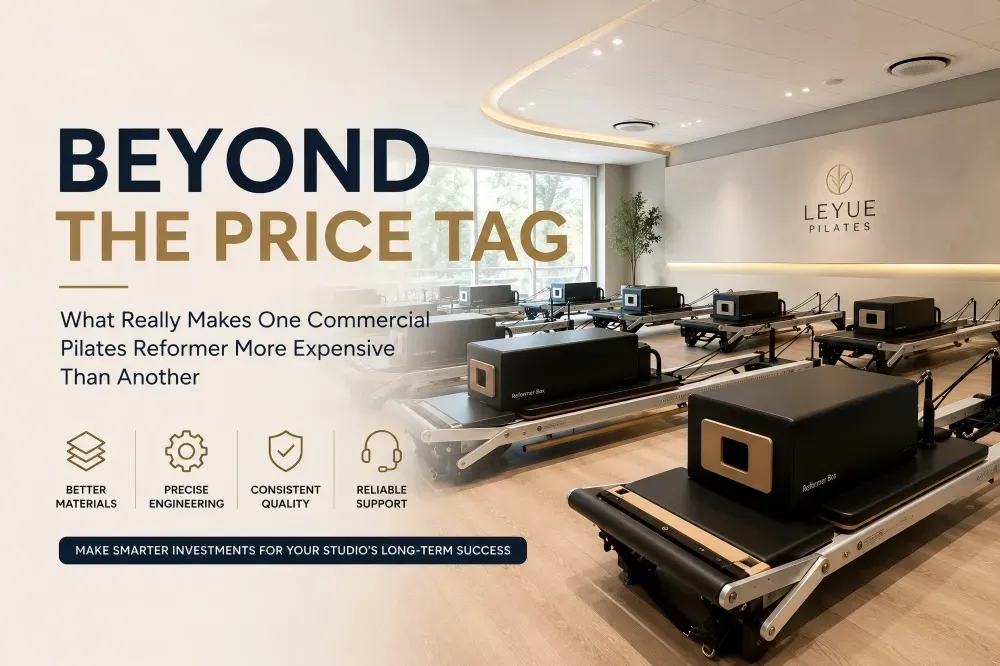
Why Do Pilates Reformers That Look Similar Have Such Different Prices?
The Difference Isn’t Always What You Can See
Introduction
If you compare commercial Pilates reformers online, most of them look very similar at first glance.
They all have a carriage system.
They all use springs.
They all include a footbar and basic accessories.
From photos and specifications, many machines seem almost identical.
Yet when you request quotations, the price difference can be significant — sometimes 2x or even 3x.
So where does this difference actually come from?
What we often see is this:
Experienced studio owners rarely focus only on the price tag.
They try to understand what is actually driving the price difference.
Because two reformers that look similar online can perform very differently after months of commercial use.
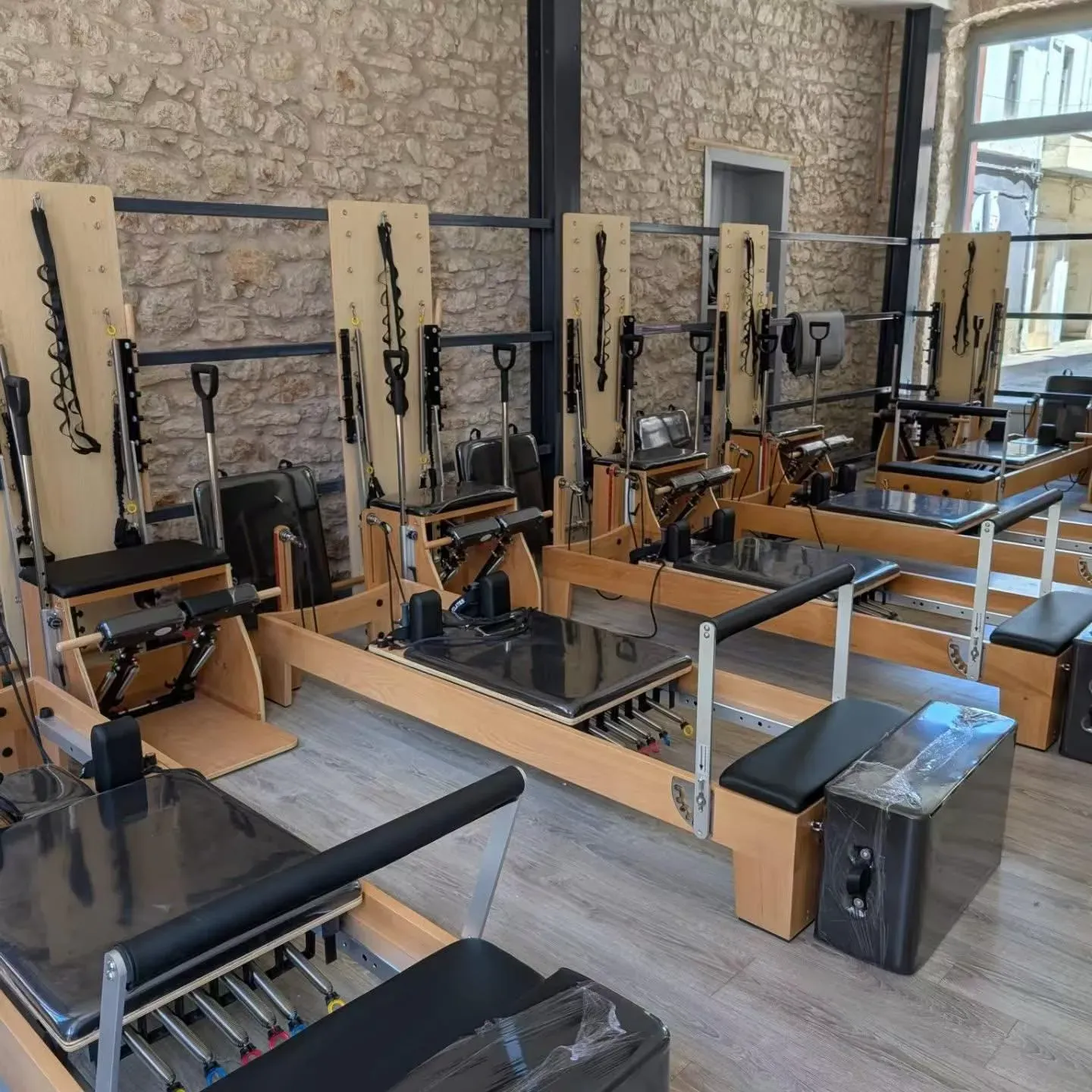
1. Sometimes You’re Paying for the Brand
In many cases, the price is not only about the machine itself.
Well-known Pilates brands usually invest heavily in:
- Product development
- Instructor training systems
- Global distribution networks
- Marketing and branding
- Certifications and compliance
- Long-term service support
All of these costs are reflected in the final price.
What you are paying for is not just hardware — but also the ecosystem built around the product.
For some studios, this is valuable.
For others, especially distributors and OEM buyers, the focus is different.
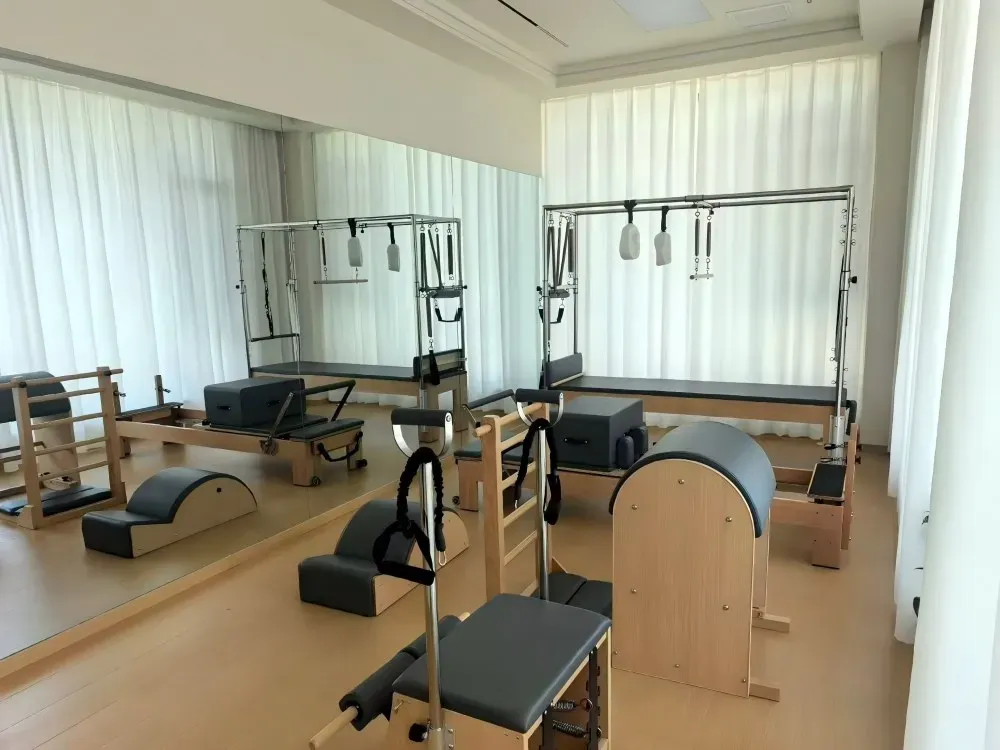
2. Materials Can Look Similar — Until You Use Them Every Day
In many cases, the visible design tells only part of the story.
The real differences are usually hidden inside the machine.
For example:
- Frame material and thickness (wood or aluminum)
- Spring quality and resistance consistency
- Bearing and wheel precision
- Upholstery durability and foam density
These are not always visible in product photos.
But in daily studio use, they directly affect performance over time.
What we often hear from studio owners is simple:
The machine may look similar on day one — but it does not always feel the same after one year of use.
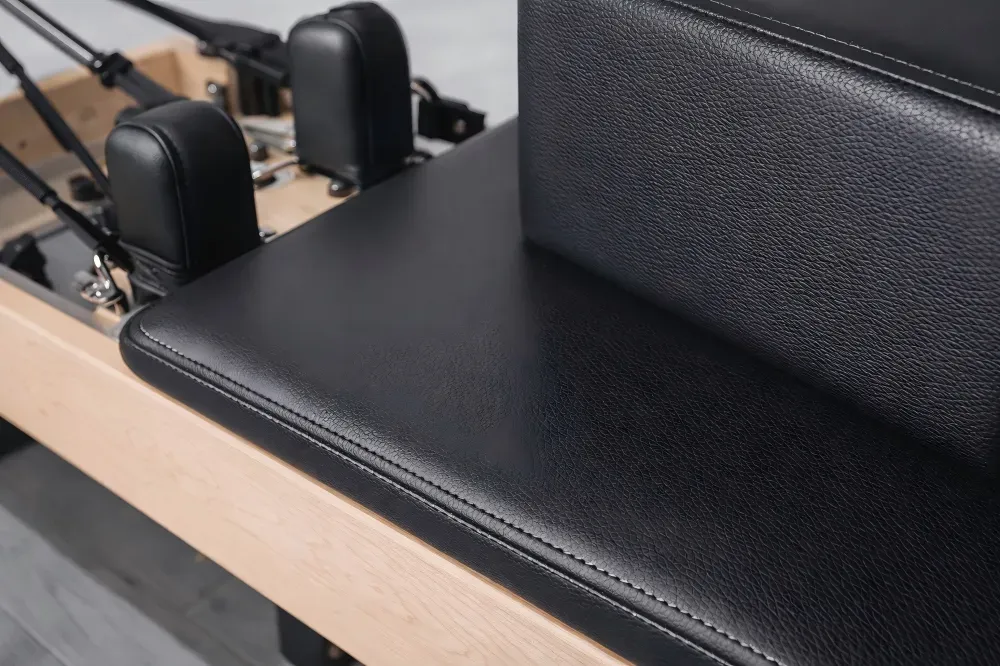
3. Engineering Is Often More Important Than Materials
One thing experienced buyers notice quickly is that a reformer is not just a collection of parts.
It is a movement system.
And small engineering differences create very different user experiences.
For example:
- Carriage smoothness and noise level
- Footbar stability under load
- Pulley alignment and rope movement
- Platform rigidity during standing exercises
These details are rarely visible in product images.
But instructors notice them immediately during use.
A good reformer does not just look stable — it feels stable.
A smooth carriage movement is often one of the first indicators of manufacturing quality.
4. The Most Expensive Part Isn’t Material — It’s Consistency
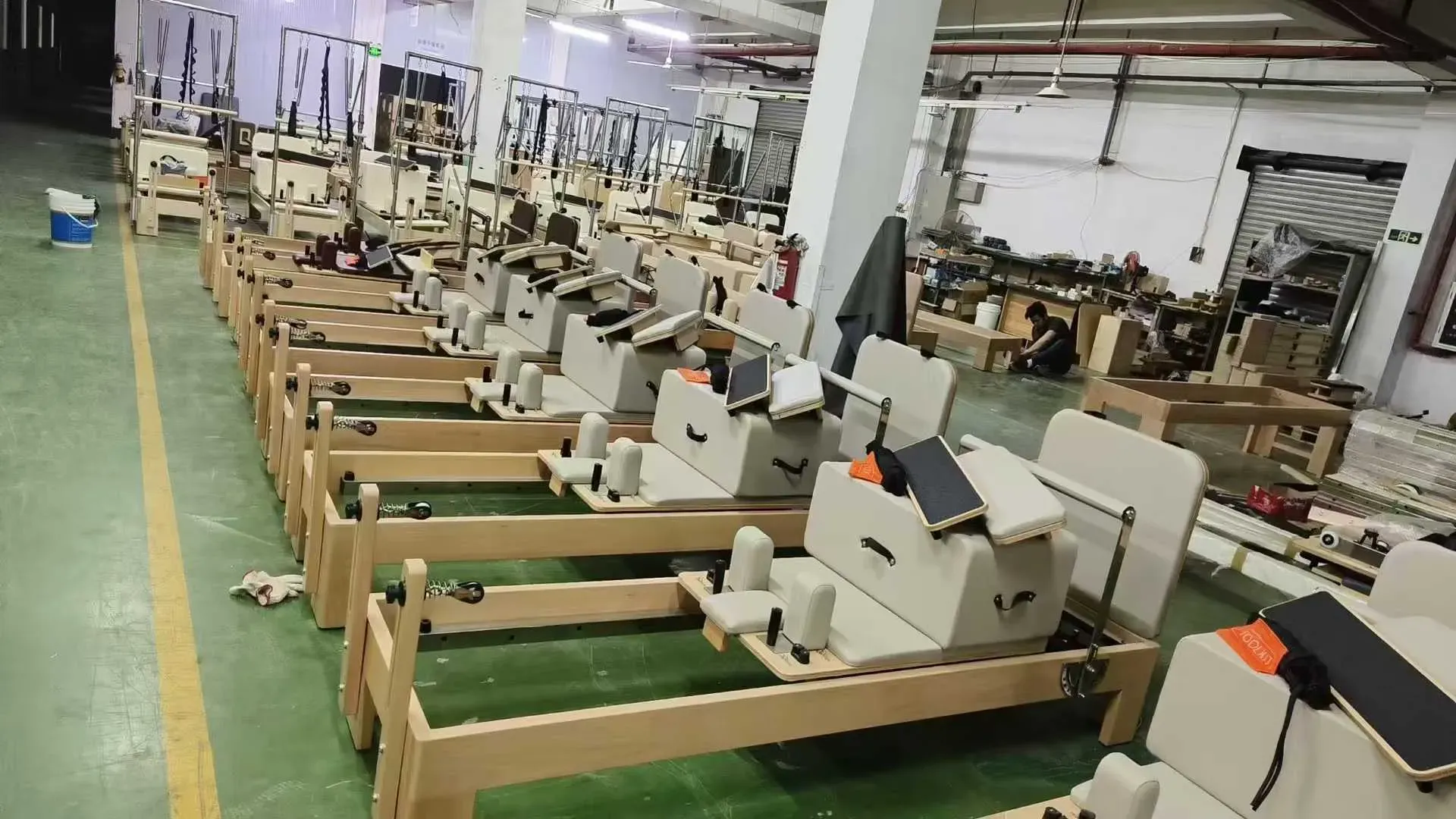
Almost any factory can produce a good-looking sample.
The real challenge is producing 50, 100, or even 500 machines that all feel the same.
This is where real differences between suppliers appear.
In many cases, buyers only notice this after repeat orders:
- One batch feels slightly different
- Small components behave differently over time
- Carriage resistance changes subtly
For a single studio, this may not be obvious.
But for distributors and multi-location studios, consistency becomes critical.
Because clients expect the same experience in every class, on every machine.
5. The Cheapest Reformer Can Become the Most Expensive
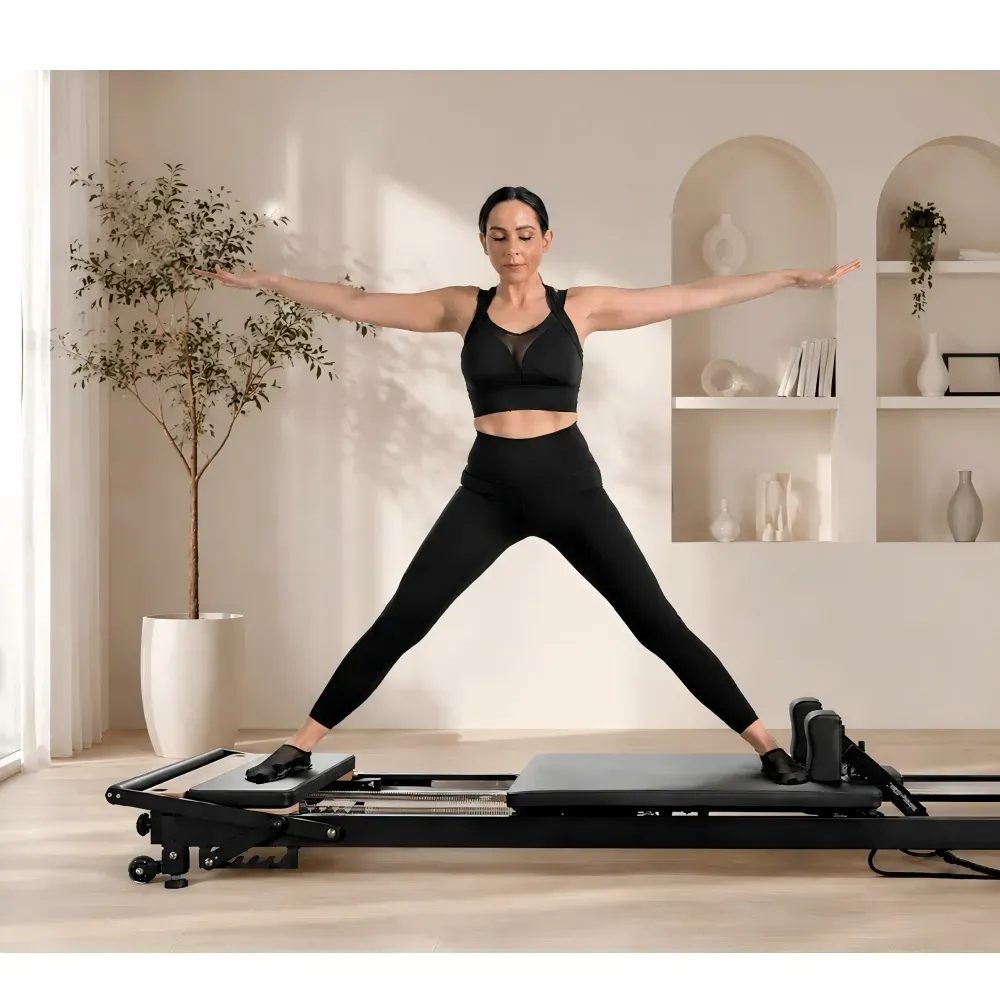
When comparing quotations, it is natural to focus on price.
But commercial Pilates equipment should not only be evaluated by purchase cost.
It should also be evaluated by long-term operating cost.
For example:
A lower-priced machine may lead to:
- More frequent part replacements
- Higher maintenance time
- Class interruptions due to repairs
- Longer waiting time for spare parts
In commercial studios, the real cost is not the part itself.
It is downtime.
Lost classes.
Interrupted schedules.
Experienced buyers usually ask a different question:
Not “Which one is cheaper?” But “Which one performs better over five years?”
6. After-Sales Support Is Part of the Product
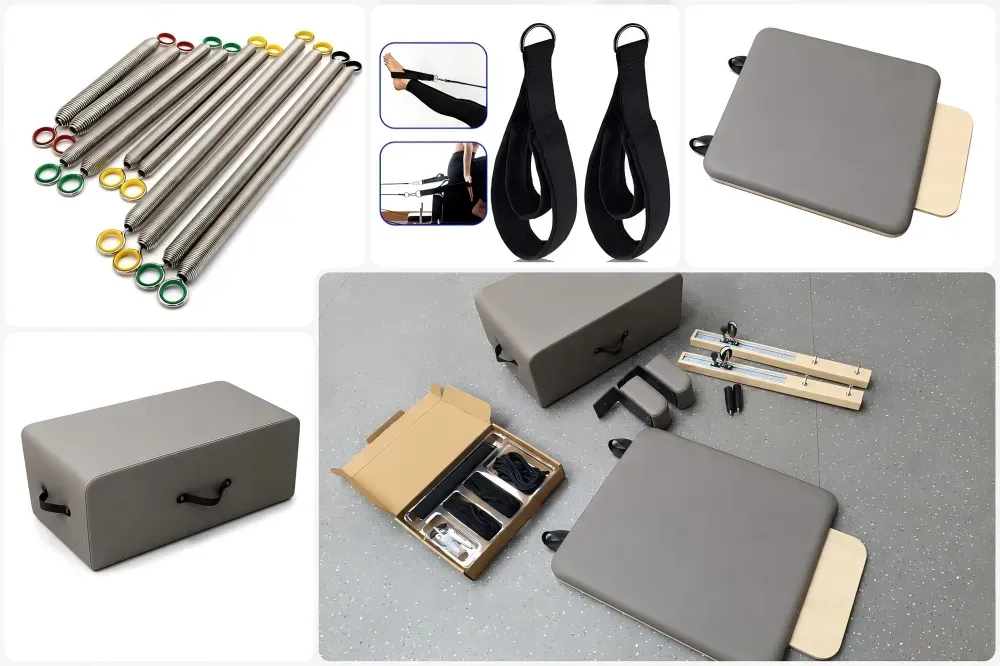
Many buyers focus on warranty terms.
But experienced buyers focus on something else:
What happens after delivery?
Because in real operations, questions always come later:
- Can replacement parts be shipped quickly?
- Will the supplier respond after months?
- Can I reorder the same model next year?
- Is technical support available when needed?
A commercial reformer is not a one-time purchase.
It is a long-term supply relationship.
7. Questions Worth Asking Before Comparing Prices
Instead of asking:
Why is this reformer cheaper?
It is more useful to ask:
- What materials are used in production?
- Is this designed for commercial use or home use?
- Can I reorder the same specification later?
- How are spare parts handled?
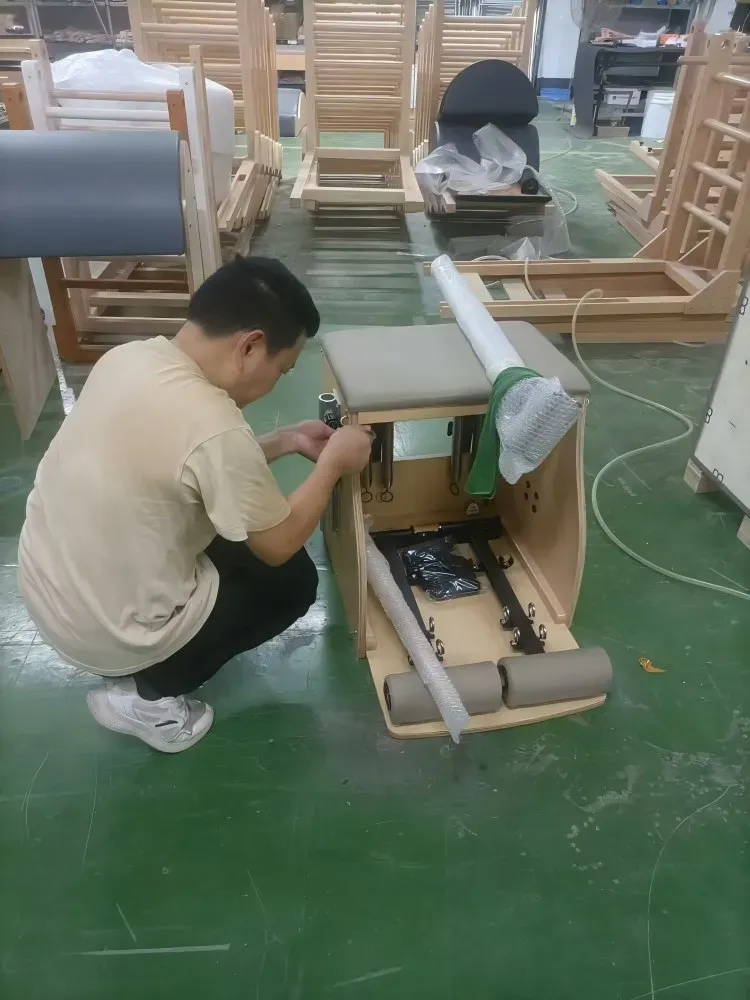
- What kind of factories actually produce it?
These questions usually reveal more than a quotation sheet ever can.
Studio Insight
One studio owner once shared something we hear quite often:
“At first, we focused mainly on price. But after comparing several machines in person, we realized the biggest differences were not visible in photos. The real differences were in how the carriage moved, how stable the frame felt, and how consistent each unit was during use.”
What this reflects is simple:
The more experienced the buyer becomes, the less they focus on specifications — and the more they focus on real-world performance.
Final Thoughts
Price is always the easiest thing to compare.
But in commercial Pilates equipment, it rarely tells the full story.
Two reformers may look almost identical in photos.
But their long-term performance can be very different.
What experienced buyers tend to evaluate is not just the initial quotation, but:
- How the machine performs over time
- Whether consistency is maintained across batches
- Whether spare parts are available when needed
- Whether the supplier provides long-term support
At the end of the day, a commercial Pilates reformer is not judged on the day it arrives.
It is judged after years of daily use inside a busy studio.
Looking for Commercial Pilates Equipment?
Every studio has different priorities.
Some focus on premium branding.
Others focus on durability, customization, or long-term cost efficiency.
If you are comparing Pilates reformers and would like to better understand the differences in materials, engineering, and manufacturing approaches, we are happy to share practical insights from real production experience.