
Jun 26, 2026Product Knowledge & Guides
Pilates Reformer Frame Guide: Choosing the Right Wood and Thickness for Your Market
Learn how to choose the right Pilates reformer frame. Compare maple, beech, oak, and 28mm, 32mm, 35mm frame options.
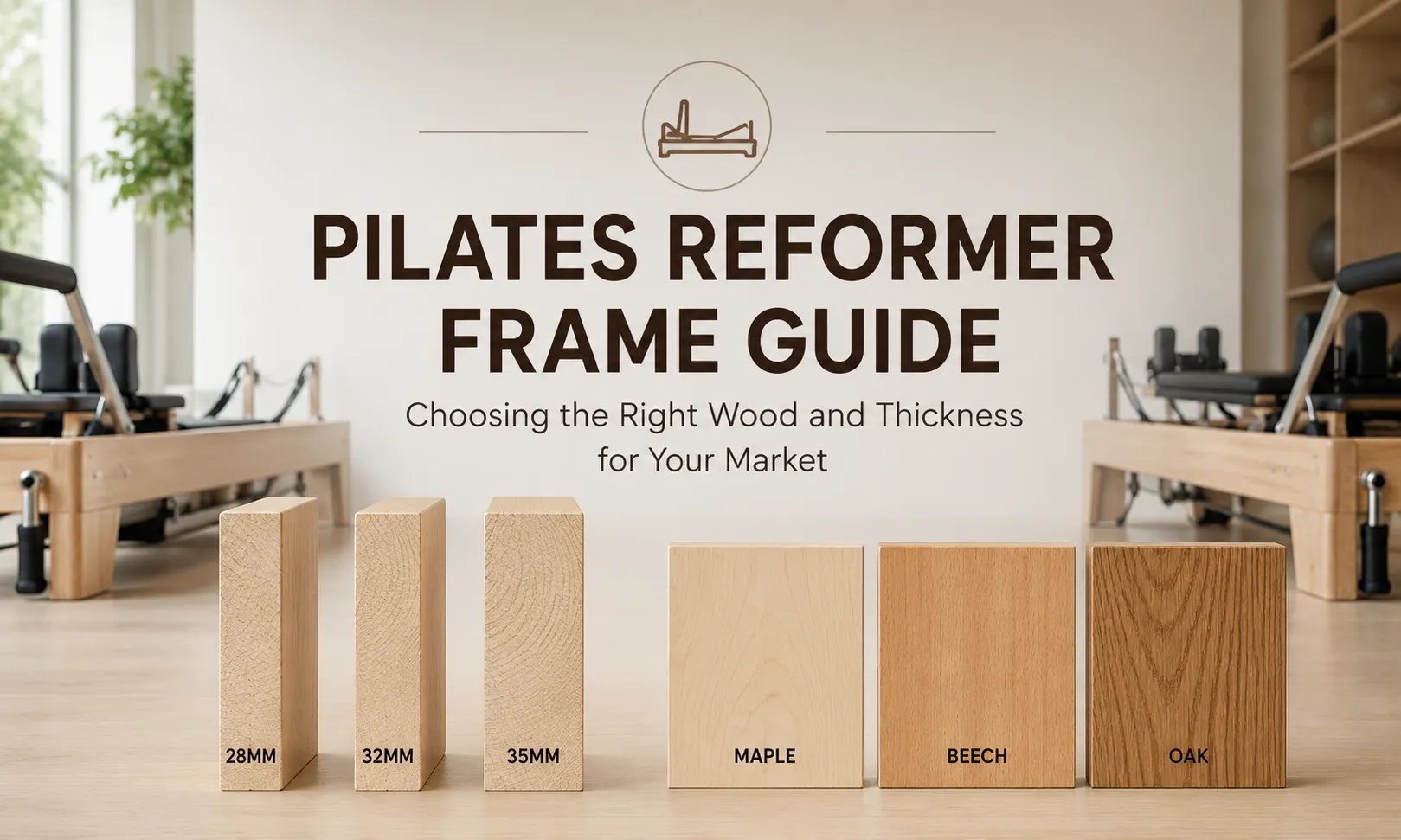
When people talk about Pilates reformers, most of the conversation focuses on springs, carriages, rails, or upholstery.
Yet after years of manufacturing and exporting Pilates equipment to customers across Europe, North America, Australia, and the Middle East, I've learned that one component often determines whether a reformer still feels solid after years of use:
The frame.
A reformer frame affects stability, durability, weight capacity, shipping costs, product positioning, and ultimately your customer's experience.
One question I hear repeatedly from distributors, studio owners, and private-label brands is:
"Should I choose a 28mm, 32mm, or 35mm frame? And is maple really worth the extra cost compared to beech or oak?"
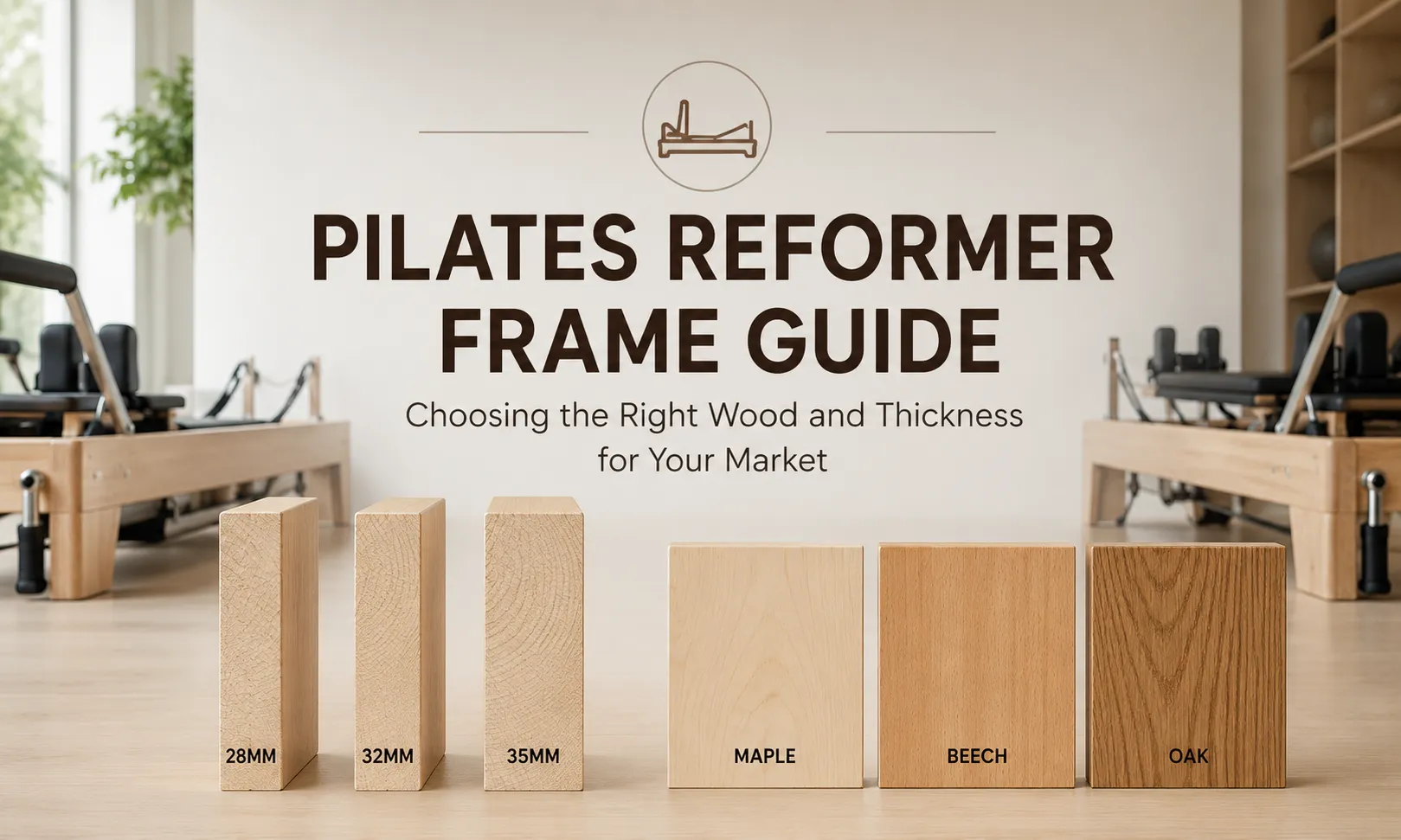
The answer isn't as simple as choosing the thickest frame or the most expensive wood.
The right choice depends on who your customers are and what they expect from the equipment.
Let's look at it from a practical perspective.
The Most Common Mistake Buyers Make
Many buyers assume thicker automatically means better.
I understand why.
When comparing specifications on paper, a 35mm frame sounds more impressive than a 32mm frame, and a 32mm frame sounds stronger than a 28mm frame.
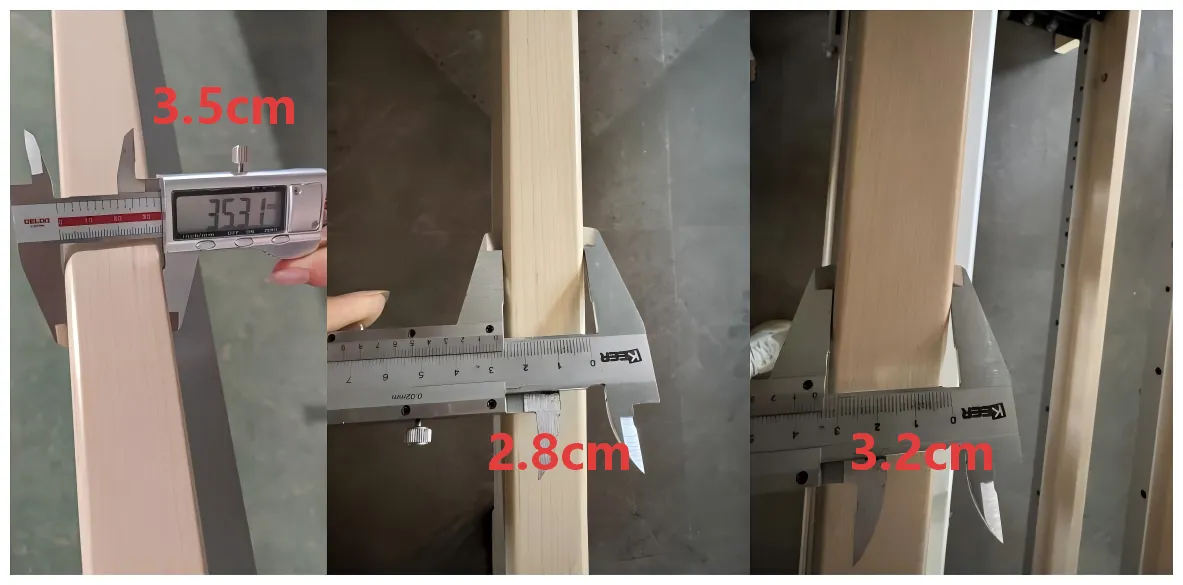
But successful purchasing decisions aren't made on specifications alone.
A luxury Pilates studio in London has very different requirements than an online retailer selling home reformers in Canada.
Likewise, a distributor supplying commercial studios needs a different solution than a wellness resort building a premium Pilates experience.
The goal is not to buy the thickest frame.
The goal is to buy the frame your market is willing to pay for.
Understanding Frame Thickness
28mm Frame: Practical and Cost-Effective
Let's start with the 28mm option.
Some buyers immediately dismiss thinner frames because they assume lighter means weaker.
That's not always true.
For home users, portability, affordability, and ease of transportation are often more important than maximum structural mass.
A well-designed 28mm reformer can provide an excellent workout experience while reducing both manufacturing and freight costs.
Why Brands Choose 28mm
- Lower production costs
- Lower shipping costs
- Easier handling and installation
- Better suited for foldable designs
- More competitive retail pricing
Where It Works Best
If you're targeting:
- Home fitness users
- Online retail customers
- Apartment dwellers
- First-time Pilates users
a 28mm frame can be a very sensible choice.
Would I recommend it for a studio running ten classes a day?
Probably not.
That's where heavier commercial frames start to show their value.
32mm Frame: The Commercial Sweet Spot
If you asked me to choose one specification that works for the majority of commercial projects, I would probably choose a 32mm frame.
Over the years, this has become one of the most balanced solutions in the market.
Why?
Because it offers the stability commercial users expect without creating unnecessary weight and shipping expenses.
What Makes 32mm So Popular?
- Excellent structural strength
- Strong commercial durability
- Premium appearance
- Better resistance to vibration
- Reasonable shipping weight
Many boutique studios, franchise operators, and fitness brands find that a 32mm frame delivers everything their customers need.
In fact, some buyers who initially request 35mm eventually choose 32mm after reviewing freight costs and project budgets.
For many commercial applications, 32mm is where performance and business practicality meet.
If you're evaluating commercial-grade equipment specifications, you can also explore our complete range of Commercial Pilates Reformers to see how different frame options are applied across studio environments.
35mm Frame: Built for Premium Projects
Now let's talk about 35mm frames.
This specification isn't really about necessity.
It's about positioning.
When customers walk into a luxury Pilates studio, they notice details.
They notice the equipment.
They notice the weight.
They notice how solid everything feels.
A 35mm frame delivers that impression immediately.
Why Premium Studios Choose 35mm
- Maximum rigidity
- Extremely stable feel
- Higher perceived value
- Luxury appearance
- Greater weight capacity
For high-end projects, the additional material often becomes part of the brand story.
The equipment feels substantial.
The studio feels premium.
The customer experience feels elevated.
The Trade-Off
The downside is straightforward.
More material means:
- Higher manufacturing costs
- Higher freight costs
- Higher local delivery costs
- More challenging installation
For some projects, the investment makes perfect sense.
For others, it simply adds cost without creating meaningful customer value.
Maple, Beech, or Oak?
Which Wood Would I Personally Choose?
If you'd like a deeper comparison of strength, appearance, durability, and commercial applications, read our detailed guide:
This is probably one of the most common questions buyers ask at trade shows.
And my answer usually surprises them.
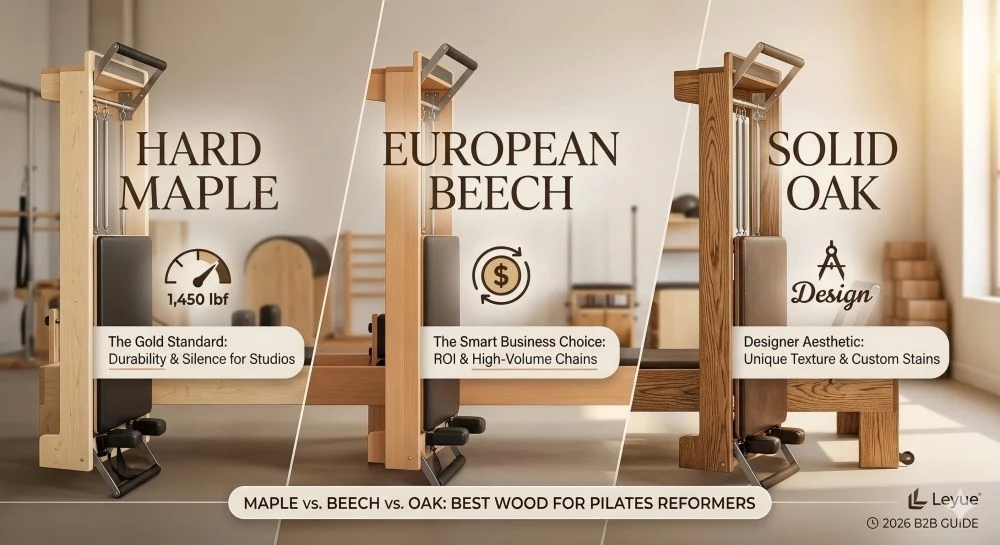
If I were launching a Pilates brand tomorrow, I wouldn't automatically choose maple.
I would first think about my customers.
Because during a workout, most users don't ask what species of wood the frame is made from.
What they notice is:
- Smooth carriage movement
- Equipment stability
- Studio aesthetics
- Overall quality perception
That's why choosing wood should always be tied to your market positioning.
Hard Maple: The Premium Benchmark
Hard maple has earned its reputation for a reason.
It is strong, dense, stable, and visually clean.
For decades, many premium Pilates brands have used maple because it creates a sophisticated and professional appearance.
Why Buyers Like Maple
- Tight, uniform grain
- Excellent dimensional stability
- Strong resistance to wear
- Clean modern appearance
- Premium market recognition
Maple is often the safest choice for brands targeting the upper end of the market.
When customers expect premium equipment, maple helps reinforce that perception.
Beech Wood: The Best Balance of Value and Performance
If maple is the luxury benchmark, beech may be the smartest business decision.
Beech is strong, durable, attractive, and cost-effective.
In many commercial environments, it performs exceptionally well.
Why So Many Commercial Brands Choose Beech
- Excellent durability
- Competitive material cost
- Attractive grain structure
- Reliable long-term performance
- Strong return on investment
In fact, many end users cannot distinguish between high-quality beech and maple during normal use.
That's why many successful studio projects use beech.
Not because it's the cheapest option.
Because it delivers excellent performance while allowing brands to invest more budget elsewhere.
Oak: A Different Kind of Luxury
Oak appeals to a different type of customer.
Its grain pattern is more visible and more dramatic than maple or beech.
Some studio owners love that.
Others prefer a cleaner look.
Why Buyers Choose Oak
- Distinctive natural grain
- Premium furniture-like appearance
- Excellent durability
- Strong resistance to wear
- Unique visual identity
For boutique studios focused on interior design and atmosphere, oak can become a strong part of the studio's overall aesthetic.
What Really Determines Long-Term Durability
Here's something many suppliers won't tell you.
Frame thickness and wood species are only part of the story.
I've seen beautifully designed reformers fail because of poor manufacturing.
I've also seen standard specifications perform exceptionally well because the factory controlled every detail.
Long-term durability often depends on:
- Wood moisture control
- CNC machining precision
- Hardware quality
- Joint construction
- Assembly standards
- Quality control procedures
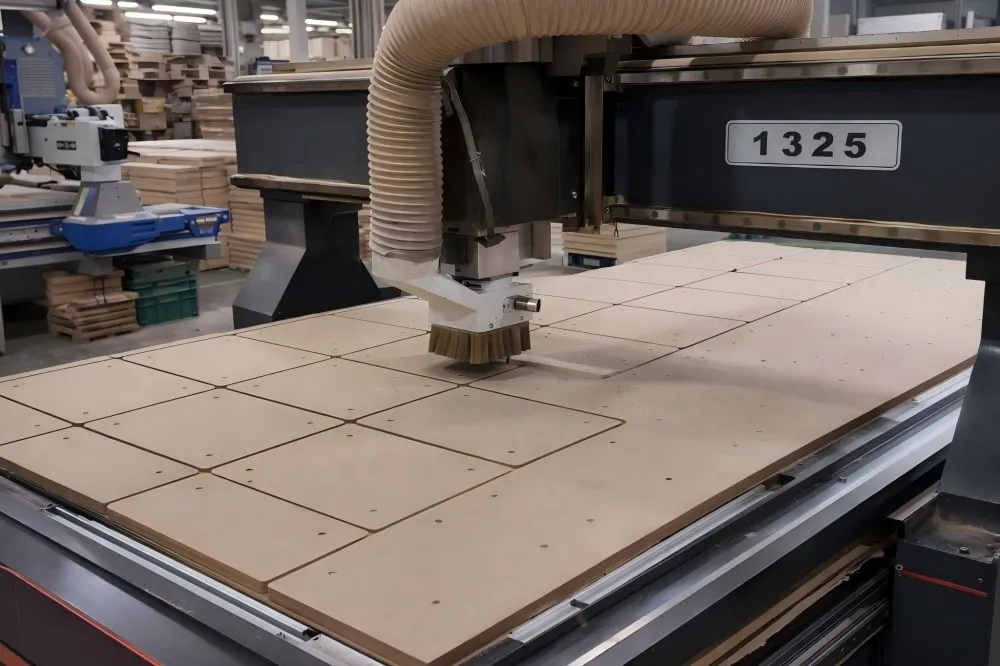
A well-engineered 32mm reformer will usually outperform a poorly manufactured 35mm reformer.
That's why buyers should evaluate the factory, not just the specifications.
If You Asked Me What I'd Buy Today
After years of working with different projects, my recommendations would be simple.
For most commercial studios:
I would choose a 32mm frame with premium beech or maple.
For luxury projects:
I would move to a 35mm maple frame.
For home fitness products:
I would focus on practicality and choose a well-designed 28mm frame that remains competitive in both price and shipping cost.
The best reformer is not necessarily the most expensive one.
It's the one that fits your customers, your market, and your business goals.
And that's where good sourcing decisions begin.
Looking for the Right Specification for Your Market?
Every project is different.
A home fitness brand, a studio chain, and a luxury wellness resort will all require different solutions.
At Leyue Pilates, we help distributors, studios, and private-label brands choose the specifications that match their market positioning and long-term business objectives.
Whether you're developing a cost-effective home reformer or a premium commercial line, our team can help you select the right frame thickness, wood species, and customization options for your project.