
Jun 26, 2026Product Knowledge & Guides
Pilates Reformer Cost 2026: Real Price Guide & Savings
How much does a Pilates reformer cost in 2026? Discover real pricing, hidden costs, and how to save 30–50% with factory-direct sourcing.
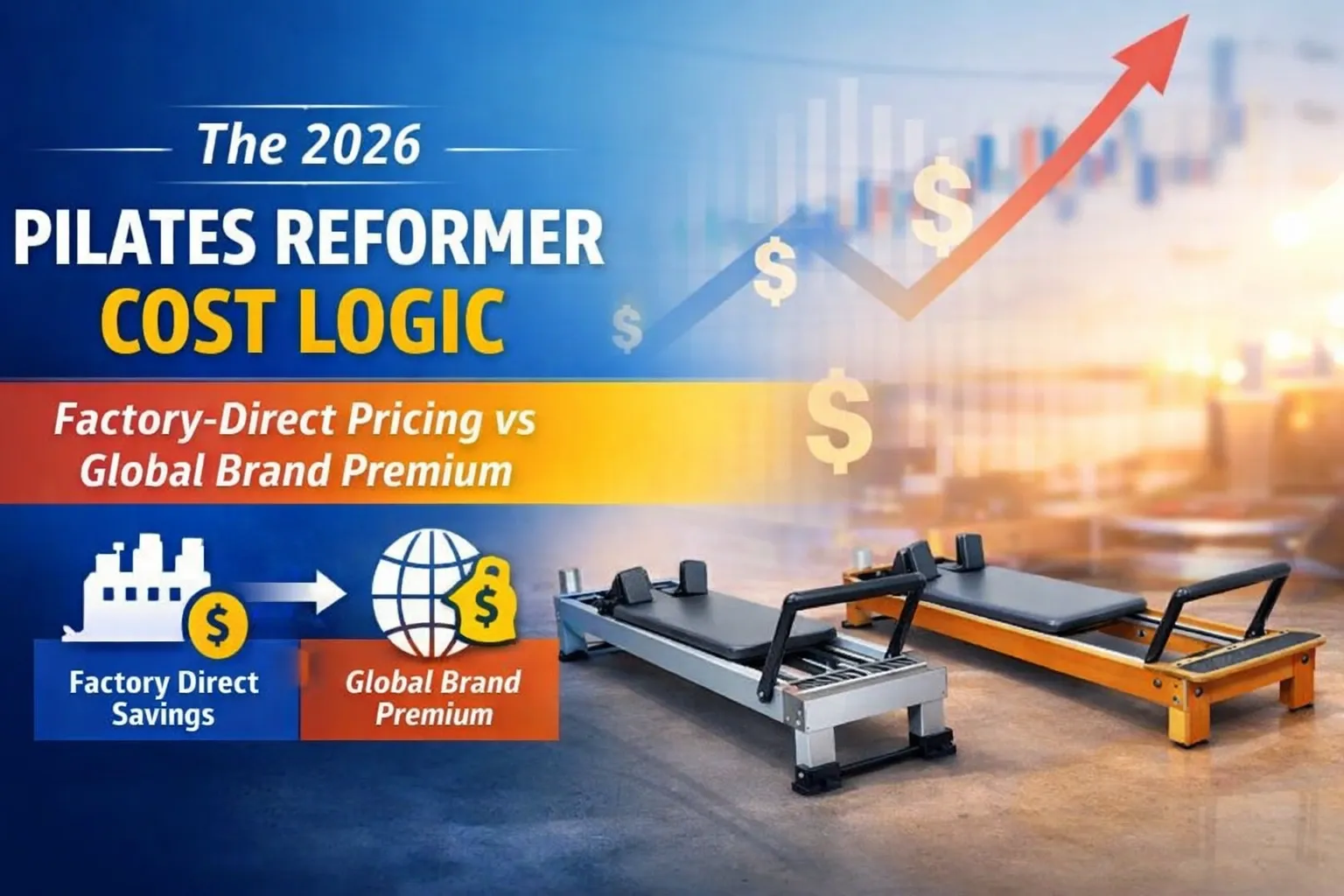
How Much Does a Pilates Reformer Really Cost in 2026?
If you're planning to invest in Pilates equipment in 2026, one of the first questions you’ll ask is:
How much does a Pilates reformer cost?
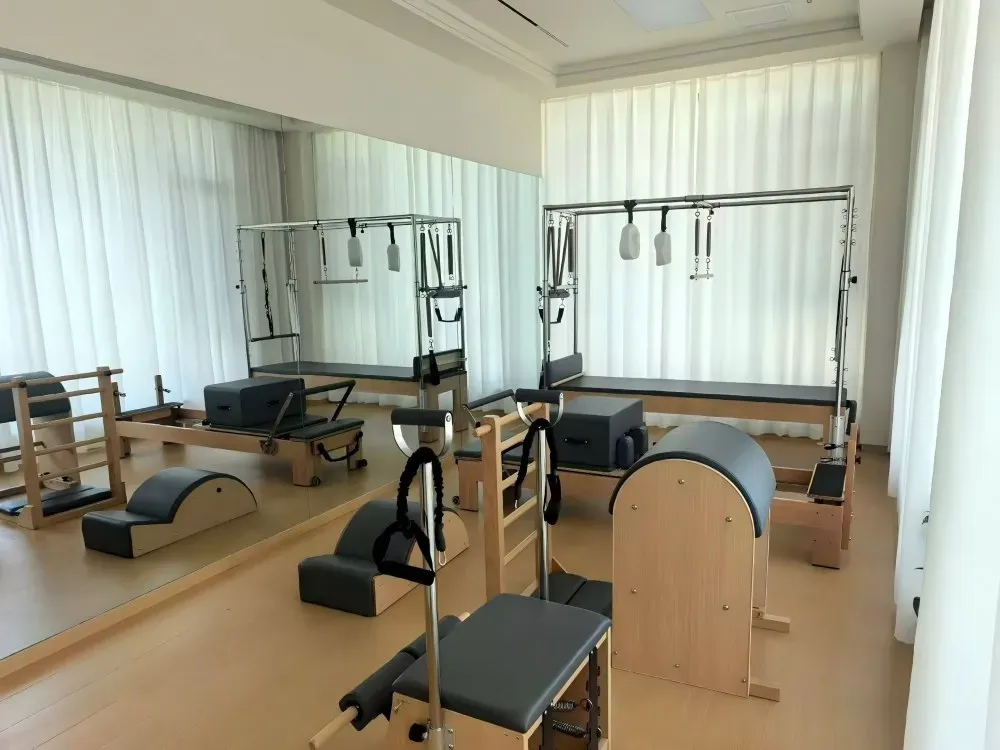
The short answer:
👉 $800 – $6,500+ per unit
But that range is misleading.
Because what you’re really paying for is not just the machine—it’s a combination of:
- Materials
- Engineering precision
- Brand positioning
- Supply chain structure
In this guide, we’ll break down the real pricing logic behind Pilates reformers, so you can make a smarter decision—especially if you're buying for a studio, rehabilitation center, or distribution business.
How Much Does a Pilates Reformer Cost in 2026?
Let’s look at the real market pricing tiers:
Entry-Level (Home Use)
- $800 – $1,500
- Lightweight structure
- Basic springs and limited adjustability
- Not suitable for commercial or rehab use
Mid-Range (Light Commercial)
- $1,500 – $3,000
- Improved frame (wood or steel)
- Better carriage movement
- Moderate durability
Commercial Grade (Studio & Rehab)
- $3,000 – $6,500+
- High-quality materials (maple wood or aluminum)
- Precision-engineered spring systems
- Designed for high-frequency use (8–12 hours/day)
Key Insight:
👉 The same functional reformer can vary in price by 30–50%, depending on whether you buy:
- From a global brand
- Or factory-direct
This is where most buyers overpay.
Looking for a reliable and cost-effective Pilates reformer solution?
We help studio owners, distributors, and rehabilitation centers source commercial-grade equipment directly from the factory.
👉 Tell us your requirements and receive:
- Recommended models for your use case
- Transparent factory-direct pricing
- Shipping cost estimation
- CE certification & technical specifications
What Drives the Price? (Core Factors)
To understand pricing, you need to understand what actually creates cost.
Materials (Maple vs Alternatives)
Material choice is one of the biggest cost drivers.
Solid Maple Wood
- Premium look and feel
- High durability
- Common in high-end studios
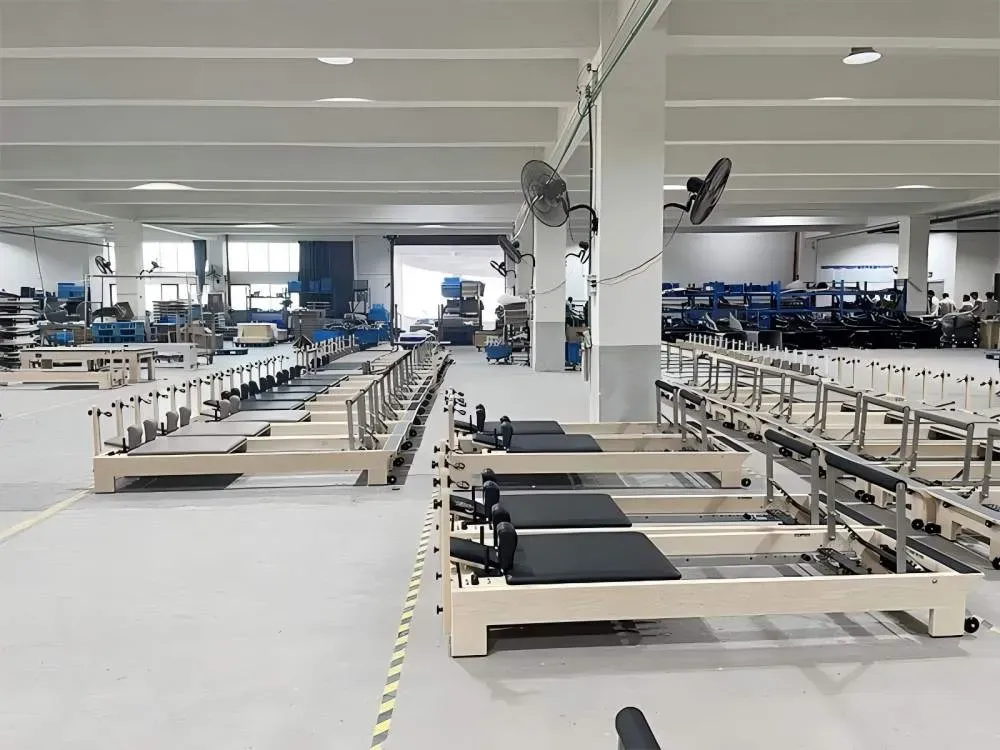
Aluminum Frame
- Lightweight yet strong
- More resistant to humidity and deformation
- Ideal for rehabilitation environments
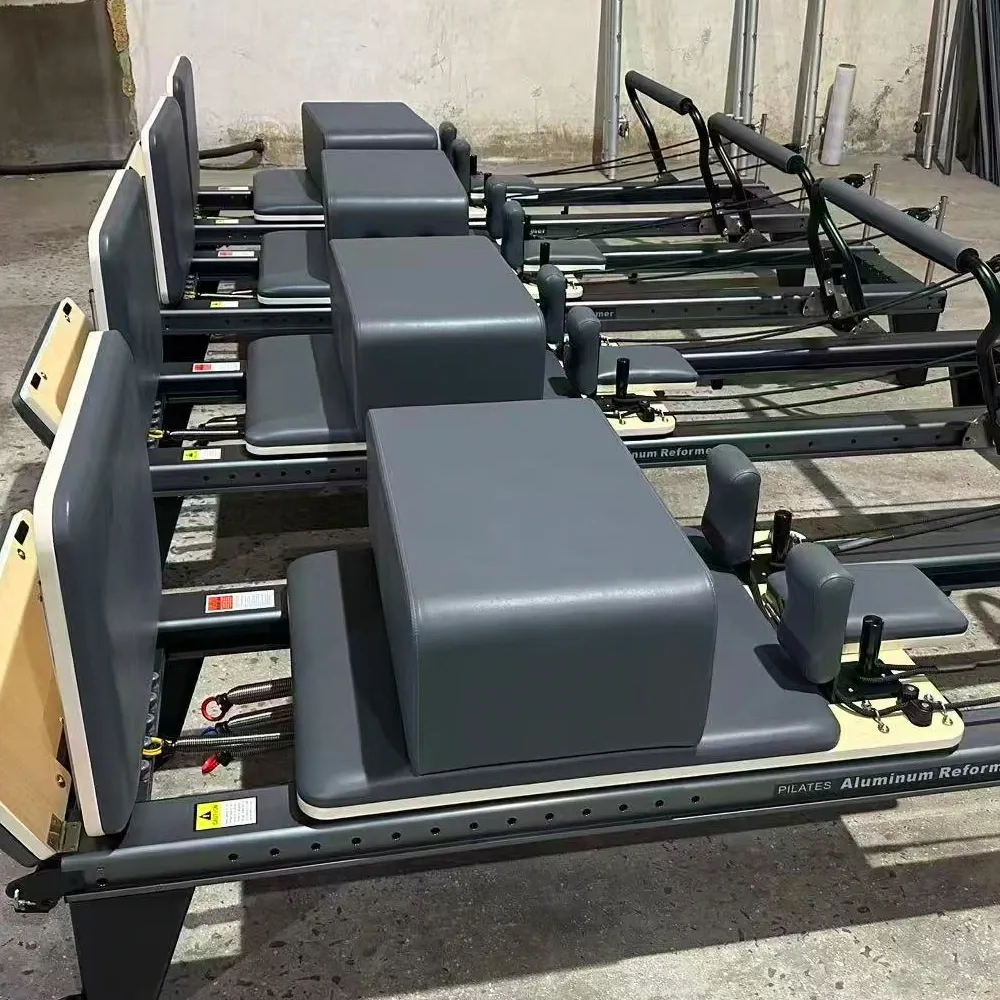
Lower-Cost Materials
- Mixed wood or low-grade steel
- Lower durability
- Not suitable for long-term commercial use
Practical Insight:
👉 For rehab centers, aluminum reformers are often preferred because they provide:
- Structural stability
- Consistent performance over time
- Lower maintenance risk
Hardware Quality (304 Stainless Steel)
A reformer is only as good as its internal components.
Key hardware includes:
- Springs
- Pulleys
- Bearings
- Connectors
High-Quality Setup:
- 304 stainless steel springs
- Smooth, controlled resistance
- Long lifecycle (high cycle count)
Low-Quality Setup:
- Cheap springs lose elasticity quickly
- Unstable movement
- Increased safety risk
Important:
👉 This is where price differences are justified—and also where many low-cost products fail.
Manufacturing Location
Where your reformer is made significantly impacts price.
Europe / USA Manufacturing
- Higher labor cost
- Strong brand value
- Higher retail price
China Manufacturing
- Mature supply chain
- Lower production cost
- Increasing quality consistency
Reality Check:
👉 Many global brands outsource production to Asia, but sell at premium prices due to branding.
Hidden Costs Most Buyers Ignore
The purchase price is only part of the story.
Maintenance & Replacement
Over time, every reformer requires:
- Spring replacement
- Rope adjustments
- Minor hardware servicing
Cheap equipment:
- Frequent maintenance
- Higher long-term cost
Quality equipment:
- Stable performance
- Lower lifecycle cost
Insight:
👉 A cheaper reformer can become more expensive within 2–3 years.
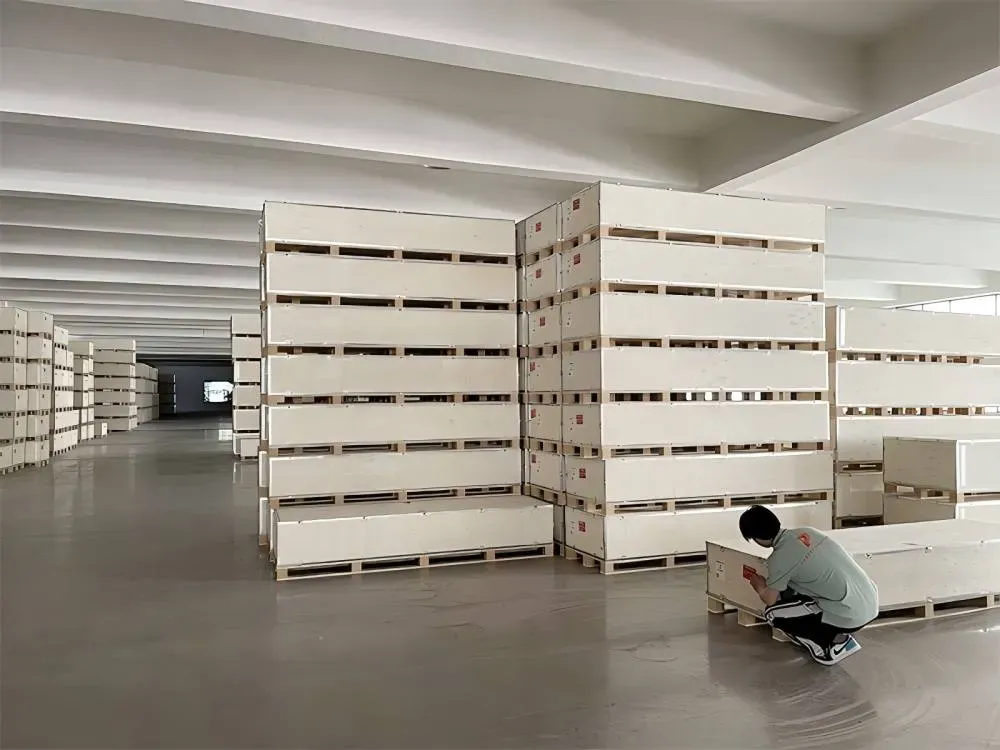
Shipping & Import Costs
Especially important for international buyers.
You must consider:
- Ocean freight
- Import duties
- Local delivery
Example:
A $2,500 reformer may actually cost:
👉 $3,000–$3,500 landed
Tip:
👉 Always calculate total landed cost, not just product price.
Factory Direct vs Brand Premium (40% Gap Explained)
This is the most misunderstood part of the market.
Why Global Brands Cost More
Well-known brands like Peak Pilates or Balanced Body typically include:
- Brand reputation
- Marketing costs
- Distributor margins
- Showroom and training systems
What You’re Really Paying For
In many cases:
👉 30–50% of the price = brand premium
Not core manufacturing cost.
Factory-Direct Model
When buying directly from a manufacturer:
You eliminate:
- Distributor markup
- Retail margin
- Brand premium
Result:
👉 You get similar functionality and structure
👉 At a significantly lower price
Important Clarification:
This does NOT mean all factory products are equal.
👉 The key is choosing a reliable manufacturer with commercial-grade quality.
Not Sure Which Reformer Fits Your Budget?
Content:
Every project is different. Whether you're opening a new studio or upgrading equipment, choosing the right model is critical.
👉 We can recommend the best configuration based on:
- Your target clients
- Usage frequency
- Budget range
B2B Insight: “Don’t Pay for the Logo”
For studio owners and distributors, this is critical.
When Brand Matters
You should choose a global brand if:
- You are building a premium flagship studio
- Your clients recognize specific brands
- You want brand association
When Brand Doesn’t Matter
Factory-direct is a better choice if:
- You are expanding multiple locations
- You are managing budget efficiency
- You are supplying equipment to clients
Real-World Scenario:
A rehabilitation center expanding 2–3 rooms may choose:
- 1 branded unit (for reference)
- multiple factory-direct units (for cost efficiency)
Key Strategy:
👉 Mix branding + cost efficiency
Not one or the other.
Smart Buying Checklist for Studio Owners
Before purchasing a Pilates reformer, use this checklist:
1. Define Your Usage
- Home / Studio / Rehabilitation
- Daily usage hours
2. Check Structural Stability
- Frame material (aluminum or solid wood)
- Weight capacity
- Anti-slip design
3. Evaluate Movement Quality
- Smooth carriage glide
- Controlled spring resistance
4. Confirm Safety Features
- Safety chain (for tower systems)
- Secure spring attachment
- Stable base
5. Understand Total Cost
- Product price
- Shipping
- Maintenance
6. Choose the Right Supplier
- Experience in commercial equipment
- Ability to provide documentation (CE, specs)
- Reliable communication
Final Thoughts: How to Buy Smart in 2026
The Pilates equipment market is evolving fast.
Prices are becoming more transparent—but also more confusing.
The truth is simple:
👉 You are not just buying a machine
👉 You are buying performance, safety, and long-term reliability
The smartest buyers in 2026 will:
- Avoid overpaying for branding alone
- Focus on real product quality
- Balance cost and performance
- Work with reliable suppliers
Final Takeaway:
👉 A good Pilates reformer is not the cheapest
👉 And not necessarily the most expensive
👉 It’s the one that delivers
consistent performance at the right total cost
Start Your Pilates Equipment Project with Confidence
Avoid overpaying for branding and focus on what truly matters—performance, safety, and long-term value.
We supply commercial-grade Pilates reformers and towers to global clients with reliable quality and competitive pricing.
👉 Let’s discuss your project today.
👉 Send Inquiry | Get Catalog | Request Quote