
Product Knowledge & Guides
How to Start Selling Pilates Equipment as an Instructor
Learn how Pilates instructors and studio owners can start selling equipment with showroom samples, small orders, custom branding, and supplier support.
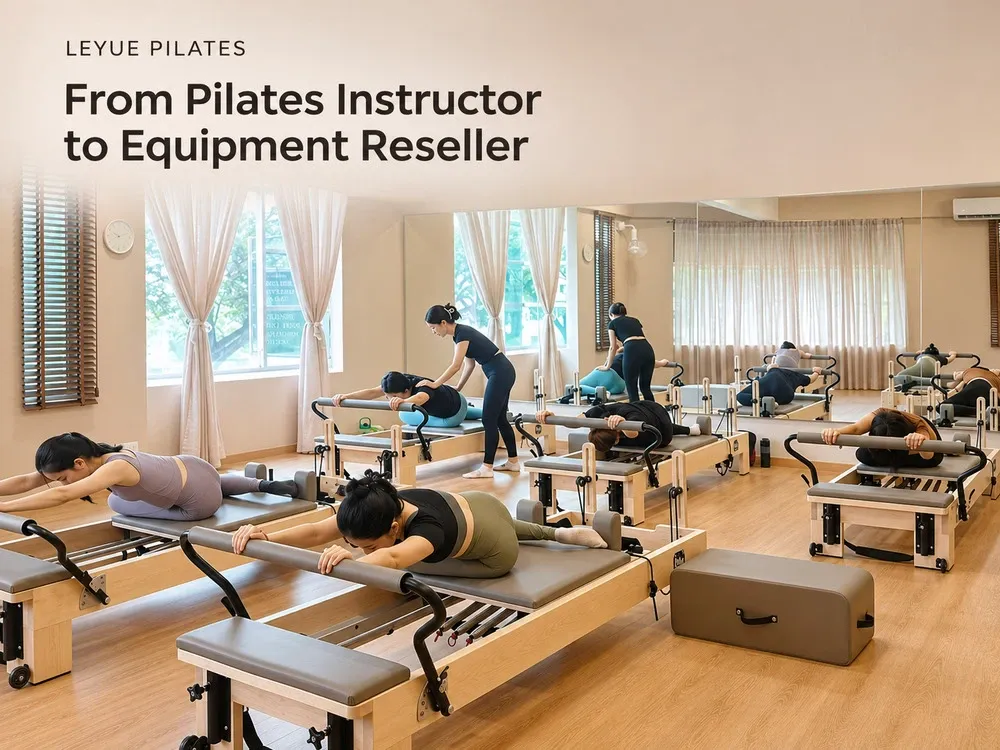
Pilates instructors and studio owners can start selling equipment by combining their practical experience, local customer relationships, and support from a reliable manufacturer. A small business may begin with demonstration equipment, a focused product range, and customer orders placed after the specifications are confirmed.
At Leyue Pilates, we have worked with customers who teach Pilates, operate studios or showrooms, and gradually expand into equipment sales. Some keep popular models or small accessories in stock. Others source equipment for individual projects and arrange delivery to the customer’s location.
This approach can reduce the need to hold a large equipment inventory. However, it still requires product evaluation, accurate quotations, clear delivery arrangements, and dependable after-sales support.
This guide explains how the model works and what to prepare before accepting your first equipment order.
Why Pilates Instructors May Be Well Placed to Sell Equipment
Teaching experience gives instructors a useful starting point: they understand how equipment is used in everyday sessions.
They may have practical opinions about carriage movement, spring resistance, footbar adjustment, rope handling, upholstery comfort, and maintenance. When another instructor is opening a studio, this experience can help turn a product comparison into a more useful discussion.
For example, a customer may ask whether a folding reformer suits their available space. An experienced instructor can help them consider storage frequency, teaching requirements, ease of movement, and the importance of testing the folding mechanism.

Existing relationships can also create opportunities. Students, fellow instructors, and local studio owners may already ask where equipment was purchased or whether they can try a particular model.
These relationships provide a starting point for sales. Building an equipment business also means learning how to manage sourcing, quotations, delivery, and customer service.
How This Business Model Works
An instructor-led equipment business often combines local consultation with supplier-supported production and shipping.
A typical order follows this process:
- Understand the customer’s project. Confirm how the equipment will be used, the available space, the budget, and the preferred delivery date.
- Select suitable models. Compare equipment based on the customer’s teaching and operational needs.
- Confirm customization. Record upholstery colors, logo requirements, accessories, and any approved configuration changes.
- Request a supplier quotation. Provide model quantities and delivery details so product and transport costs can be checked.
- Prepare the customer proposal. Explain the equipment, payment terms, estimated schedule, and delivery scope.
- Approve the order for production. Confirm written specifications and branding artwork before manufacturing begins.
- Coordinate delivery and support. Follow the shipment, explain receiving arrangements, and help resolve installation or maintenance questions.
Depending on the order and destination, equipment may be delivered to the reseller’s premises or directly to the end customer.
Direct delivery can avoid an additional storage and transport stage. The reseller still needs to coordinate the customer relationship and understand who is responsible for each part of the delivery.
Why Customers May Choose a Local Instructor or Studio Reseller
Practical Advice and Equipment Demonstrations
A showroom or working studio allows customers to experience equipment before purchasing.
They can test carriage movement, feel spring resistance, compare adjustment systems, and ask questions in a familiar teaching environment. A well-maintained demonstration machine can make these discussions more concrete than photographs alone.
The reseller should clearly explain any differences between the demonstration model and the equipment being quoted.
A Specific Combination of Customization Requirements
Some studios want equipment that reflects their own identity. Their requirements may include:
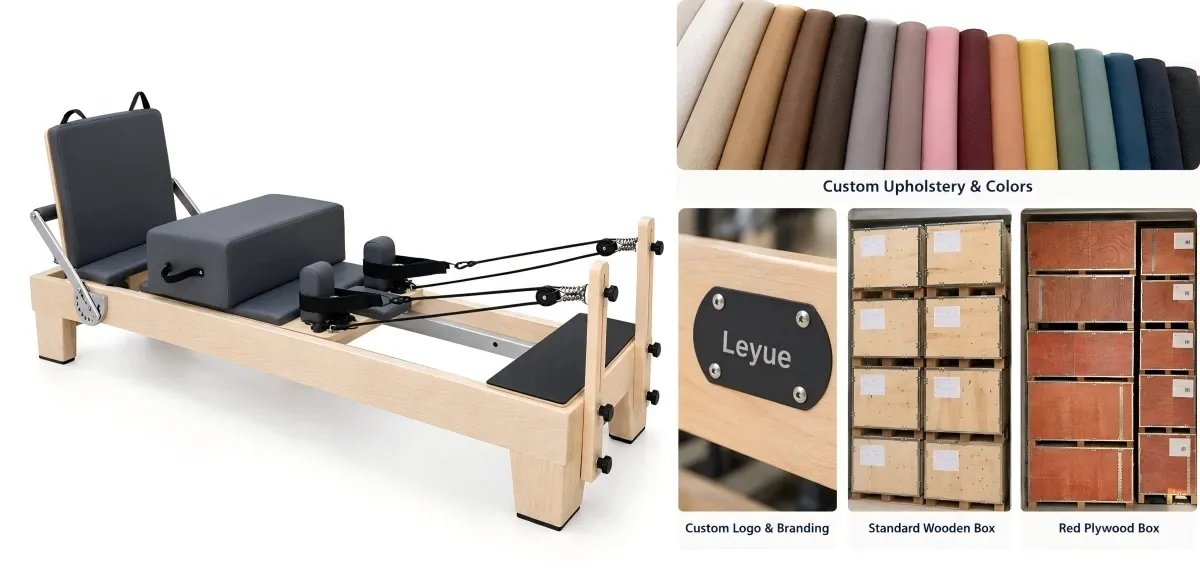
- A studio logo on the frame.
- Upholstery colors coordinated with the interior.
- A preferred wood or metal finish.
- A particular combination of reformers, chairs, and wall units.
- Selected accessories or approved spring configurations.
Established equipment brands may also offer customization. The opportunity for a smaller reseller is to help customers find a suitable combination of design, quantity, configuration, price, and delivery arrangements.
Local Communication and Ongoing Support
Customers may appreciate having a local contact who can explain specifications, demonstrate adjustments, and help communicate maintenance questions to the supplier.
This service needs to be planned. A reseller should know which issues they can handle locally and which require manufacturer support.
Do You Need to Keep Pilates Equipment in Stock?
You do not necessarily need a large inventory to begin. The right approach depends on your customers, available space, and delivery expectations.
Approach | How It Works | Main Consideration |
|---|---|---|
Demonstration equipment plus customer orders | Customers test a sample, then order their selected configuration | Customers must accept the confirmed production and shipping schedule |
Small stock of popular equipment | A limited range is available for faster local delivery | Requires upfront investment and storage |
Equipment ordered by project, with selected parts in stock | Large machines are sourced for each order; useful replacement parts are kept locally | Parts must match the equipment supplied |
A practical starting point may be to evaluate a small number of models thoroughly and build a focused range around them.
Keeping records of customer requests can help identify which products are worth stocking later. Stock decisions are more useful when they reflect actual demand.
Start with Equipment You Have Evaluated
Before recommending equipment to others, understand how the selected model performs.
Product photographs help show appearance, but a physical sample allows you to inspect materials, operation, and assembly.
Depending on the equipment, evaluate:
- Frame construction and finish.
- Carriage movement and wheel alignment.
- Spring attachment and resistance.
- Footbar and headrest adjustments.
- Rope, pulley, and strap operation.
- Upholstery, seams, and padding.
- Stability during intended use.
- Access to components that may need replacement.
For a folding reformer, also inspect the folding connection, locking procedure, handling requirements, and carriage movement across the joint.
If you plan to purchase several machines later, read our guide to ordering a Pilates reformer sample before buying in bulk.
A sample provides a reference for future orders. Any later changes to materials or specifications should be recorded and confirmed.
Understand What Low-MOQ Customization Includes
Minimum order quantity, or MOQ, depends on the product and customization method.
Adding branding to an existing model is different from developing a new frame, changing the mechanism, or sourcing a special material.
For the basic customization options discussed here, Leyue Pilates can support:
Customization Option | Starting Quantity | Details to Confirm |
|---|---|---|
Adhesive logo | 1 unit | Logo size, artwork, surface, and placement |
Metal logo plate | 6 units | Plate design, attachment method, and applicable order requirements |
Color customization | 1 unit for supported options | Material, available color, finish, cost, and lead time |
Mixed equipment orders | Different equipment types can be combined | Quantity and specification of each model |
A completely new color match, special coating, custom material, or structural modification may have different requirements. Confirm feasibility before offering it to your customer.
For springs, specify the intended resistance and arrangement with the supplier. Color labels alone may not provide enough information when comparing different equipment ranges.
Prepare Clear Product Materials Before Promoting Equipment
Useful sales materials help customers understand what they are ordering.
For each main model, prepare:
- Product photographs and demonstration videos.
- Dimensions and space requirements.
- Frame material and upholstery information.
- Spring specifications and included accessories.
- Assembly and maintenance guidance.
- Warranty terms and the support process.
- Confirmed customization options.
Keep the distinction between standard features and optional upgrades clear.
Branded mockups can help customers visualize a logo or color choice. Label them as customization previews, and use actual product photographs to explain construction and components.
Before production, confirm the final artwork, logo position, color selection, and equipment specification in writing.
Calculate the Full Cost Before Quoting Your Customer
The factory price is one part of the order cost.
Depending on the shipping arrangement, a quotation may also need to account for packaging, freight, insurance, import charges, local delivery, unloading, assembly, payment fees, and after-sales support.
When requesting transport costs, provide:
- The model and quantity of each item.
- The agreed configuration.
- The full delivery address and postcode.
- Whether the destination is commercial or residential.
- Any access, unloading, or delivery restrictions.
- Whether the customer needs import documents in their own company’s name.
DDP quotations depend on the shipment and destination. An equipment unit price cannot reliably determine the delivery cost for every order.
A mixed order also needs its own calculation because different machines have different packaging volumes and weights. Freight rates can change, so include a quotation validity period.
Confirm whether the delivery service includes unloading, movement inside the premises, or assembly before making those commitments to the customer.
Plan After-Sales Support Before the First Sale
A clear service process helps protect the customer relationship.
Before placing orders, agree with the supplier on:
- How customers report a problem.
- What photographs, videos, or serial details are needed.
- How replacement components are identified.
- Which warranty terms apply.
- How parts and associated transport costs are handled.
- Which maintenance tasks can be performed locally.
Ask which replacement parts are appropriate to keep for the models you sell. Compatibility matters: springs, ropes, wheels, and fittings should be matched to the relevant equipment.
If the supplier ships directly to your customer, also agree on delivery contacts, packaging documents, branding, and how customer information will be used.
How Leyue Pilates Supports Small Equipment Resellers
Leyue Pilates works with Pilates studios, instructors, equipment resellers, and established brands.
Depending on the selected products and project requirements, we can assist with product information, photos and videos, basic branding, color options, mixed equipment orders, and transport quotations. We can also discuss sample equipment and replacement parts support.
Our aim is to help you confirm a workable product and delivery proposal before you make commitments to your customer.
Frequently Asked Questions
Can a Pilates instructor start selling equipment without a large warehouse?
Yes. A business can begin with demonstration equipment and purchase additional machines against confirmed customer orders. It still needs a plan for delivery, inspection, customer communication, and after-sales support.
Can I order one reformer with my own logo?
Leyue Pilates can provide an adhesive logo from one unit on supported equipment. Metal logo plates have a minimum order quantity of six units. Confirm the branding method and placement for the chosen model.
Can different Pilates machines be combined in one order?
Yes. An order can include different equipment types, such as reformers, wall units, and Wunda chairs. Each item’s quantity, specification, and customization should be listed separately.
Can equipment be shipped directly to my customer?
Direct delivery can be discussed for the specific destination and order. Shipping arrangements, import requirements, receiving contacts, and service responsibilities must be confirmed before the order is finalized.
How do I get an accurate equipment and shipping quotation?
Send the equipment models, quantities, customization requirements, and full delivery address with postcode. Include any special receiving requirements and whether you need import documentation in your company’s name.
Discuss Your First Equipment Project
If you are a Pilates instructor or studio owner planning to sell equipment, start with a product range you understand and a clearly defined customer project.
Send Leyue Pilates your market, selected equipment, estimated quantities, logo or color requirements, and delivery details. We can help you check customization options and prepare a product and shipping proposal.