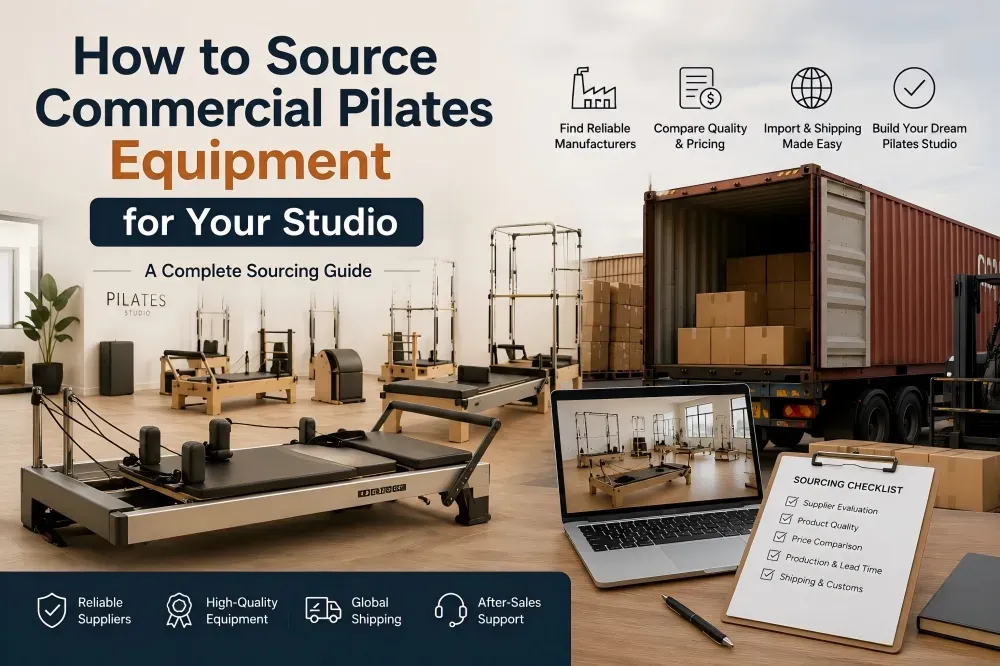
How to Source Commercial Pilates Equipment for Your Studio
Learn how studio owners source Pilates reformers, towers, chairs, and commercial Pilates equipment.
From Inquiry to Studio Opening: What We Discuss With Pilates Studio Owners Before Production
Opening a Pilates studio is not simply about purchasing equipment.
For commercial studio owners, every decision — from wood material and rail structure to customization and shipping — directly affects the studio’s client experience, operational efficiency, and long-term investment value.
Recently, we received a WhatsApp inquiry from a client planning to open a Pilates studio in Chile.
📋 Real Client Inquiry
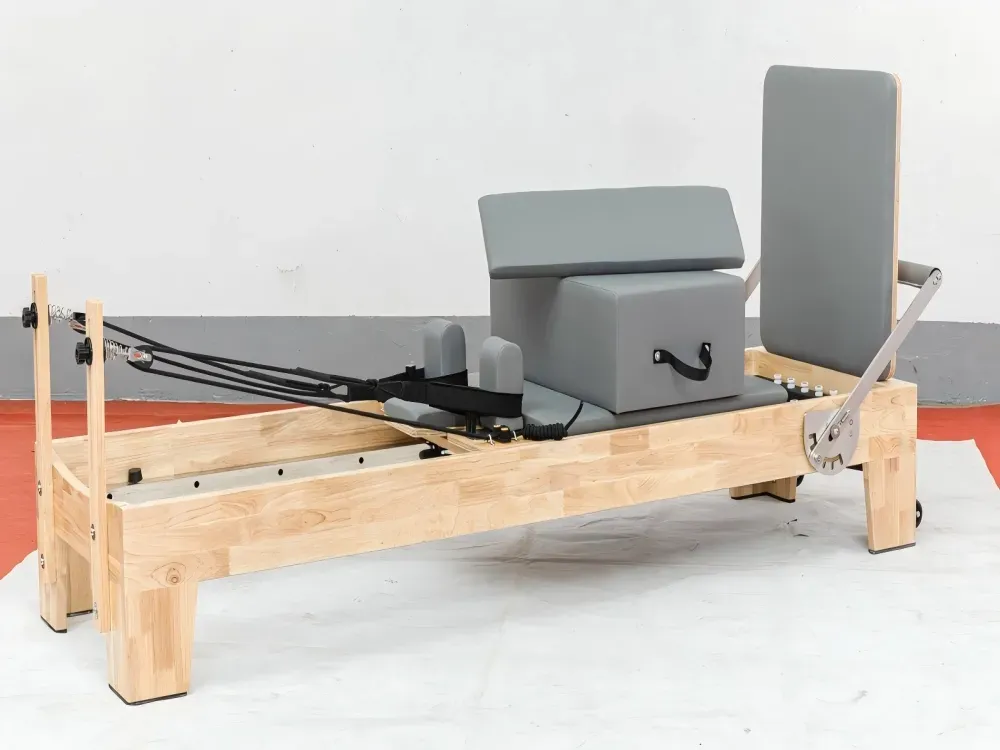
“Good afternoon. I am interested in quoting 6 Reformers plus sitting boxes and platform extenders, 6 Wunda Chairs, made of wood. Shipping to Chile. Also, 1 Spine Corrector.”
At first glance, this may look like a straightforward quotation request.
But in reality, behind every commercial Pilates project, there are many important technical and logistical discussions before production even begins.
As a Pilates equipment manufacturer, our role is not only to provide products, but also to help studio owners choose the right configurations based on their market, training style, studio positioning, and budget.
Here are the key topics we usually discuss with clients during the consultation process.
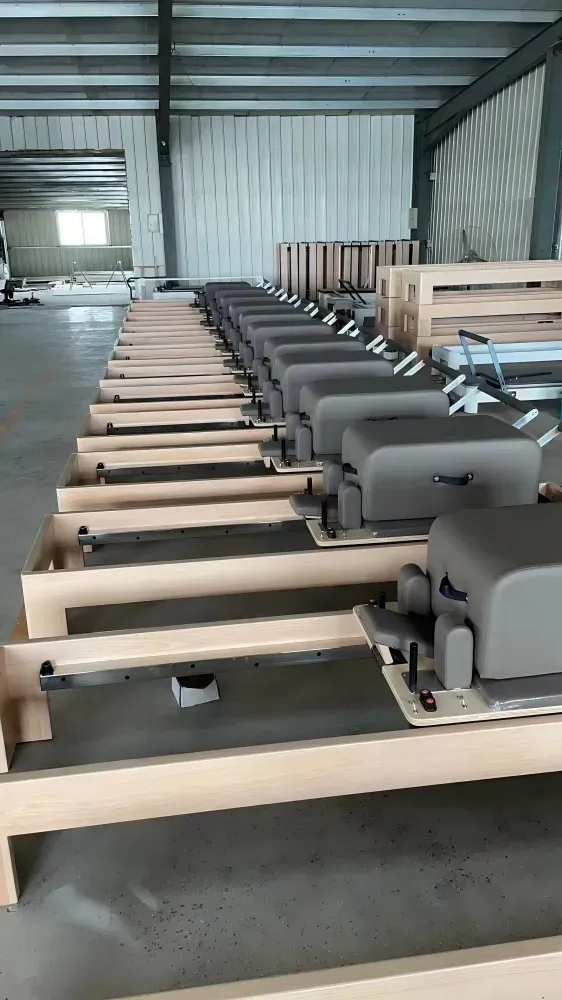
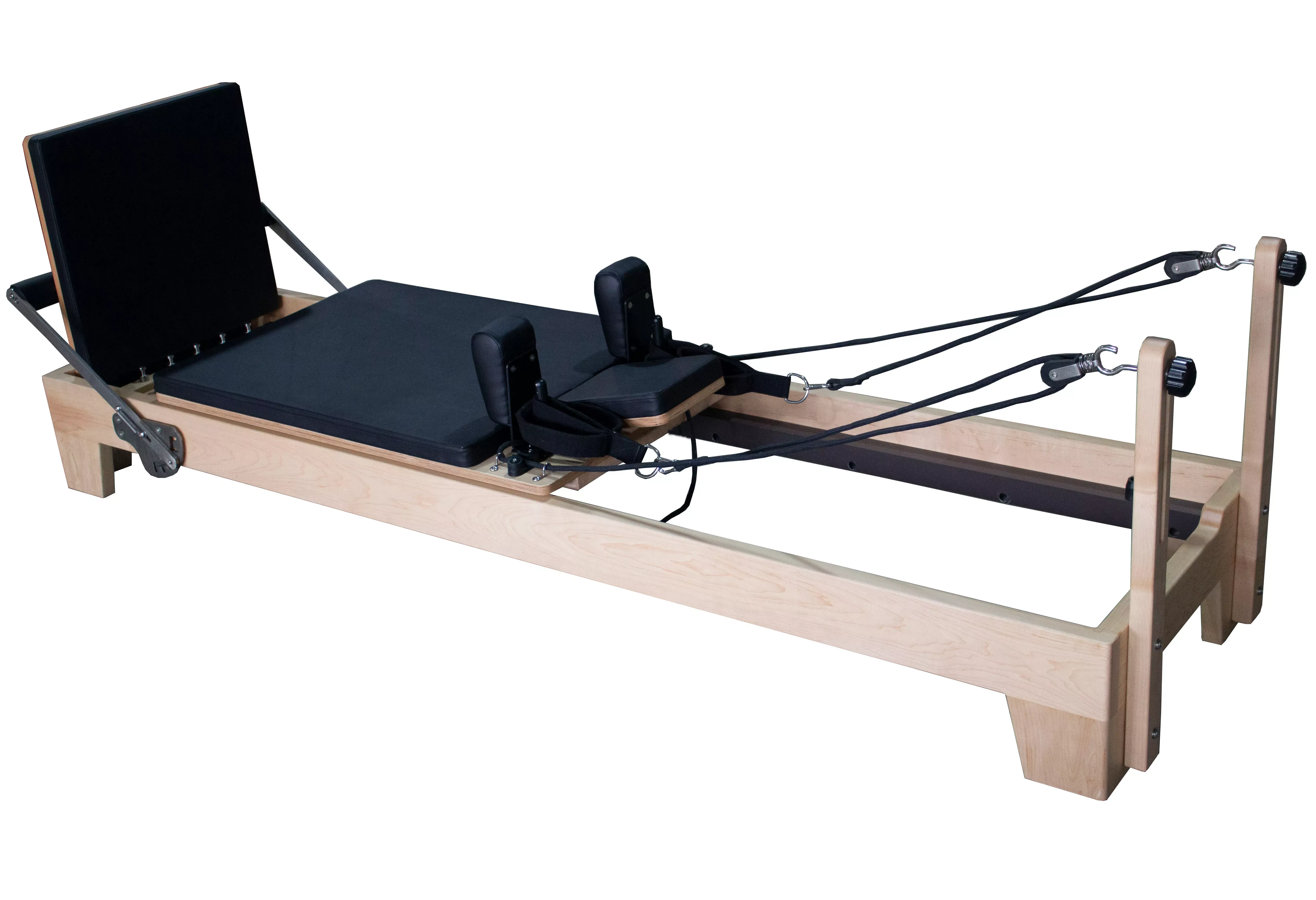
1. Wood Material Selection: Maple, Beech, or Economical Wood Options?
Since the client clearly requested wooden Pilates equipment, the first step is understanding which wood material best fits the project.
Different wood materials create different visual styles, structural characteristics, and pricing levels.
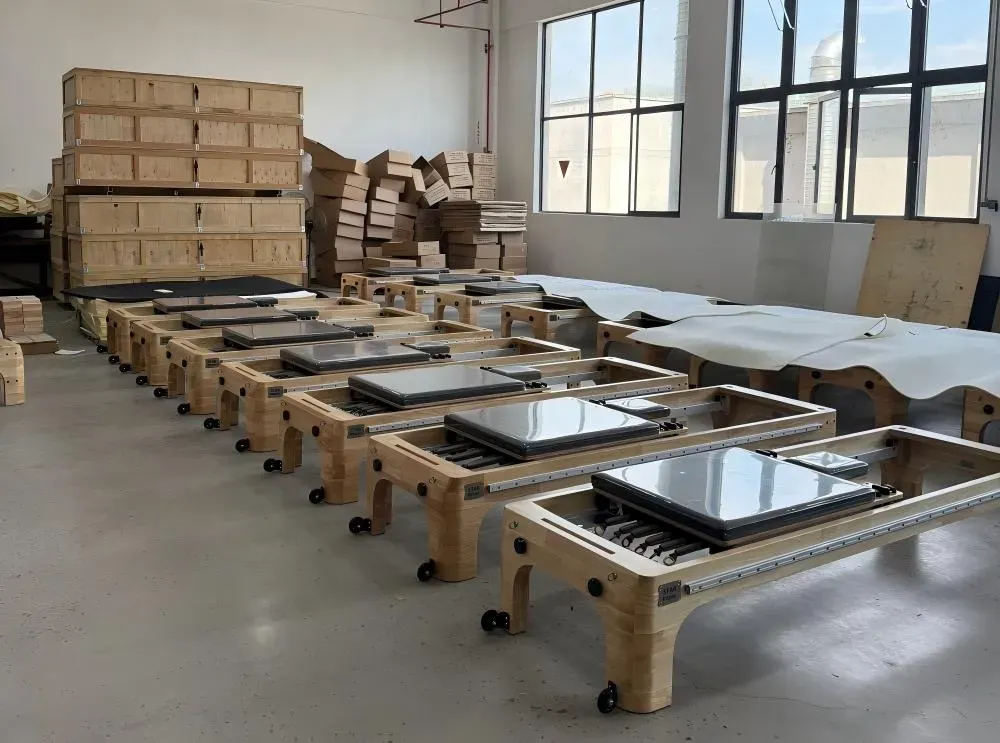
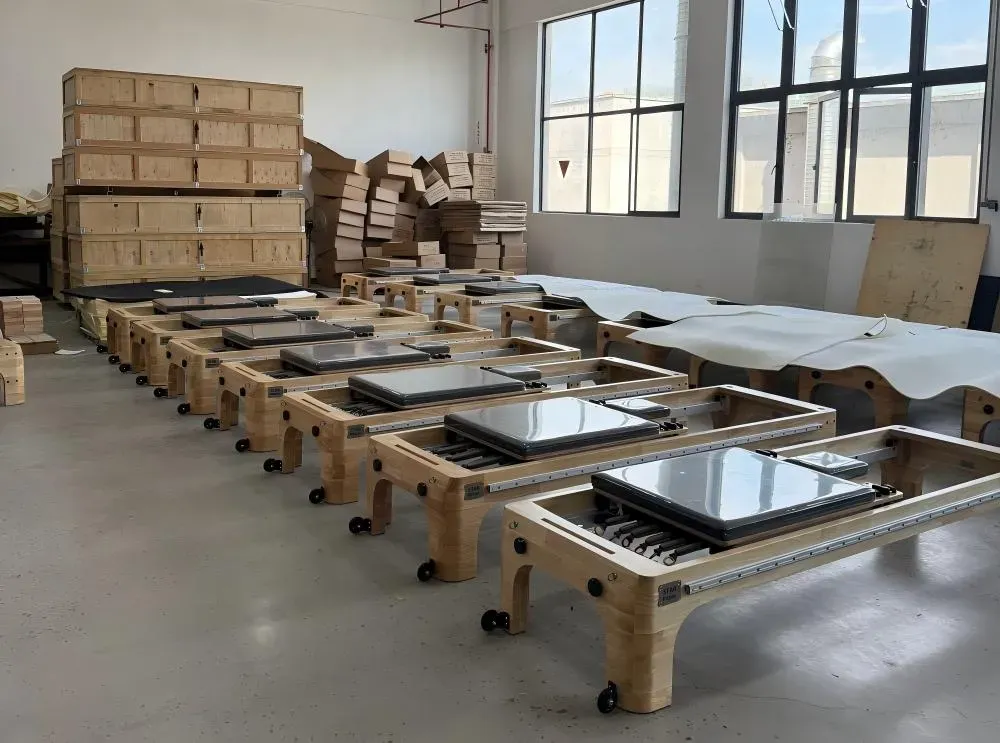
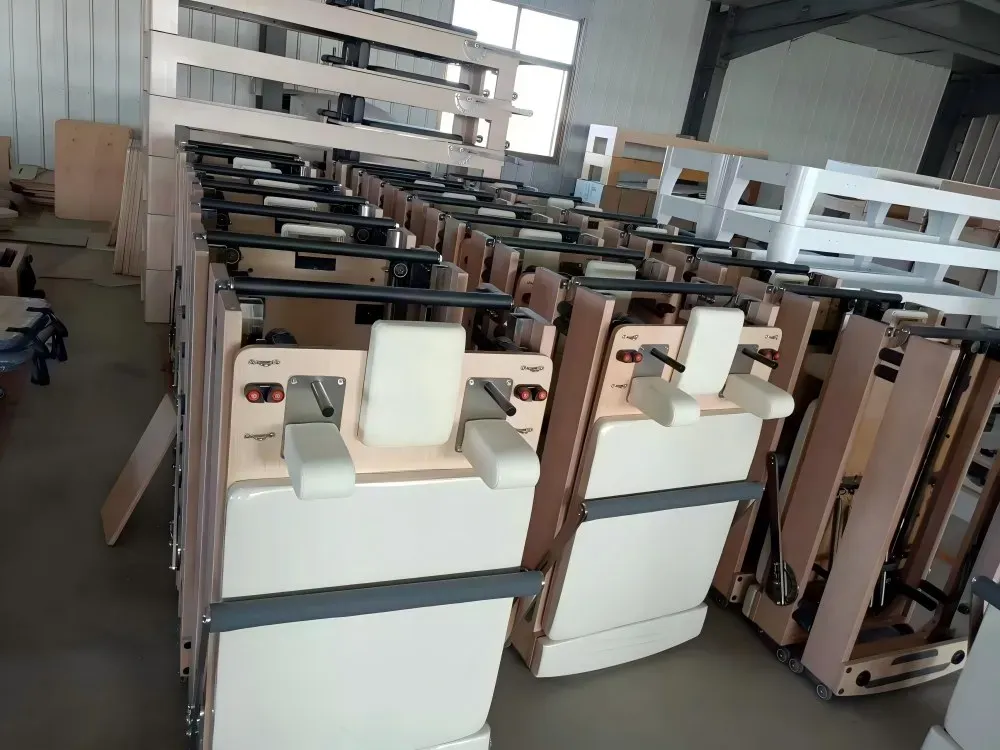
Some commercial Pilates reformers can be folded vertically for storage, while stackable reformers allow multiple units to be stored together when not in use.
When sourcing from a Pilates equipment manufacturer, ask whether they offer:
Foldable reformer options
Stackable reformer systems
Lightweight aluminum frames
Easy transport wheels
Quick-lock storage mechanisms
Space-saving Pilates equipment can significantly reduce studio operating pressure while increasing training capacity.
5. OEM & Customization Options
Customization is an important part of commercial Pilates projects.
Many studio owners want their equipment to match their own brand identity and interior design style.
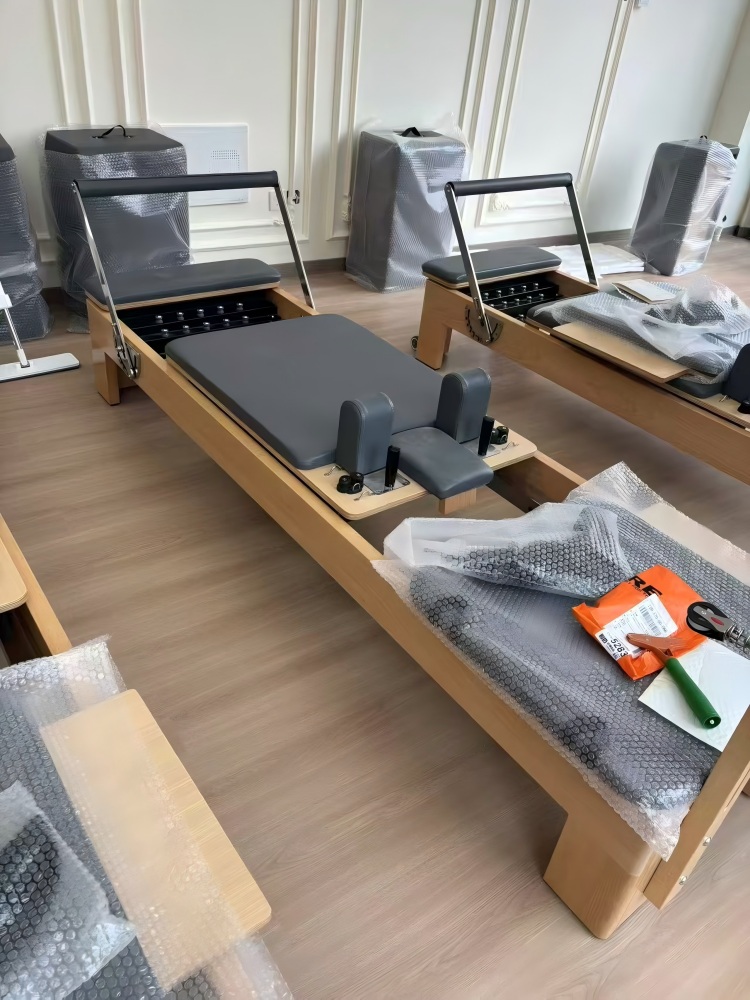
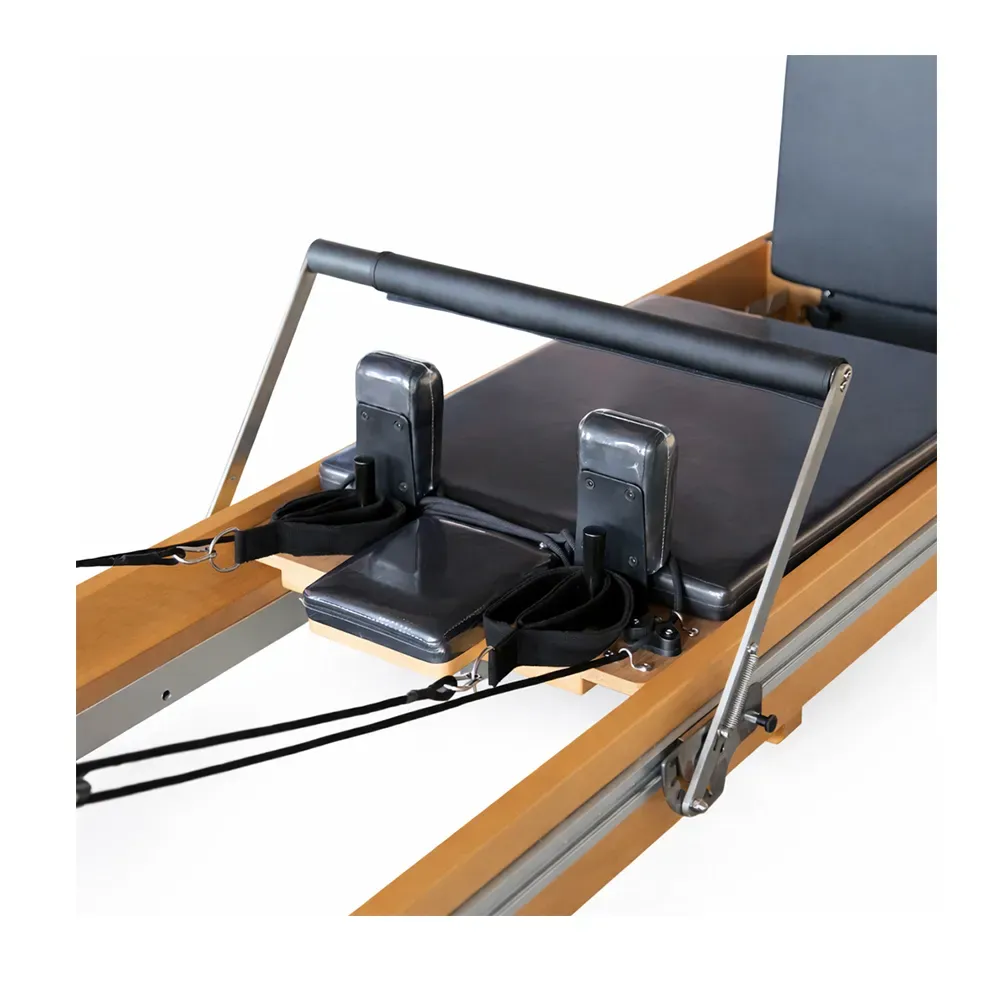
Upholstery Color Customization
We offer multiple upholstery color options, including:
Black
Grey
Beige
Brown
Green
Custom colors
All upholstery materials are commercial-grade and designed for daily studio usage.
Logo Customization
Client logos can be added through:
Laser engraving
Embroidery
Metal logo plates
Structural Customization
For some projects, clients may also request:
Customized dimensions
Different machine heights
Extended frame lengths
Special accessories
These requirements are confirmed with our engineering team before production begins.
6. One Supplier for Complete Pilates Studio Equipment
Another important point we discovered during communication with this client was that the customer preferred to source all Pilates equipment from one supplier instead of purchasing from multiple factories.
This is becoming increasingly common in the commercial Pilates industry.
For studio owners, working with one supplier creates a much simpler purchasing process.
The Client’s Equipment Requirements Included:
Pilates Reformers
Sitting Boxes
Platform Extenders
Wunda Chairs
Spine Correctors
In many similar studio projects, clients may also require:
Reformer with Tower
Cadillac Reformers
Pilates Towers
Ladder Barrels
Stability Chairs
Small Pilates accessories
Why One-Stop Purchasing Matters
When products are sourced from different factories, clients may face problems such as:
Different wood colors
Inconsistent upholstery materials
Different product heights or dimensions
Separate shipping schedules
More communication complexity
Higher shipping costs
For commercial studios, consistency is extremely important.
Studio owners usually want all equipment to have:
Matching wood finishes
Unified upholstery colors
Consistent product styling
Coordinated visual aesthetics
This creates a cleaner and more professional studio environment.
Our One-Stop Manufacturing Solution
Because we manufacture a complete range of Pilates equipment, clients can complete their full studio purchasing plan with one supplier.
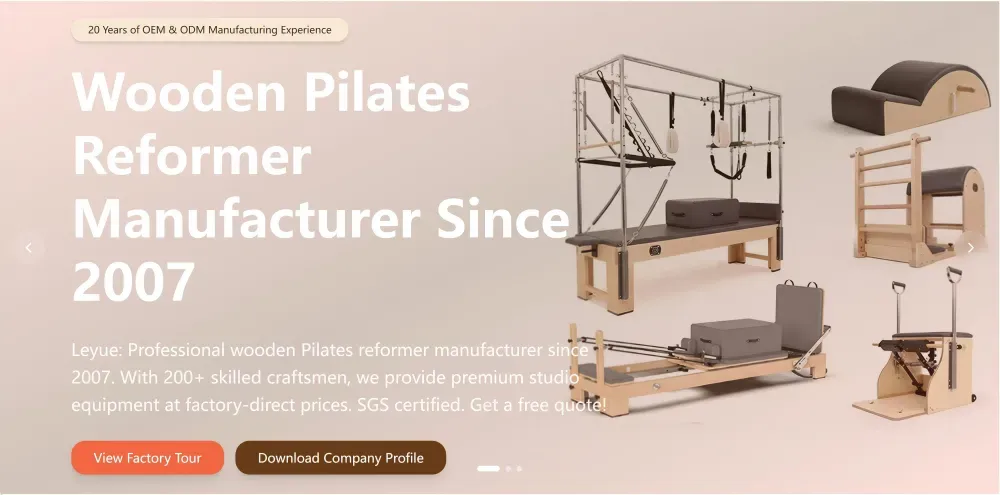
Our product range includes:
Pilates Reformers
Reformer with Tower
Cadillac Reformers
Wunda Chairs
Ladder Barrels
Spine Correctors
Pilates Towers
Small accessories and attachments
This helps simplify sourcing, production coordination, and international shipping while maintaining consistent product quality and studio aesthetics.
For many new studio owners, this also makes project management significantly easier during the studio setup process.
7. International Shipping & Import Support
Many Pilates studio owners do not frequently import large commercial equipment from overseas.
As a result, they may not be familiar with:
Sea freight
Customs clearance
Import taxes
Local delivery arrangements
Because Pilates equipment is large and heavy, even small orders are usually transported by sea.
To simplify the process, we work with experienced international freight forwarders to provide complete shipping support.
DDU Shipping
Under DDU terms:
We arrange sea transportation
We coordinate delivery to the customer’s address
The customer handles local customs clearance and taxes
DDP Shipping
For customers who prefer a simpler importing process, we also offer DDP shipping solutions.
Under DDP terms, we handle:
Export procedures
Ocean freight
Customs clearance
Import duties
Local transportation
The customer simply receives the equipment ready for installation.
This is especially helpful for first-time importers or busy studio owners.
8. Production & Shipping Timeline Planning
One of the biggest mistakes new studio owners make is underestimating production and shipping timelines.
Commercial Pilates equipment cannot realistically be rushed without affecting production scheduling and logistics coordination.
Typical Timeline
Production Time
Usually:
7–15 days
Depending on:
Customization requirements
Factory scheduling
Order quantity
Sea Freight Transit
Estimated shipping times:
Europe: approximately 35–40 days
South America: approximately 35–45 days
North America: approximately 30–40 days
Customs Clearance & Final Delivery
Usually:
5–7 additional days
Remote areas may require longer delivery times.
⏱️ Recommended Planning Time: 60–70 Days
If you are planning to open a new Pilates studio, we strongly recommend placing your order at least 60–70 days before your opening date.
This helps avoid situations where:
Studio rent has already started
Marketing campaigns are running
Customers are booking classes
But equipment has not arrived yet
Proper planning creates a smoother and less stressful studio opening process.
Final Thoughts
A Pilates equipment inquiry is never only about pricing.
Behind every successful commercial studio project are many important decisions involving:
Material selection
Rail structure
Studio aesthetics
Product customization
Equipment matching
International logistics
Opening timeline planning
As a professional Pilates equipment manufacturer, our role is to help studio owners make the right decisions before production begins.
Whether you are opening your first studio, expanding your business, or upgrading your current equipment, proper communication during the sourcing stage helps ensure a smoother project and a better long-term operating experience.
If you are planning a commercial Pilates studio project, feel free to contact our team for product consultation, customization support, and international shipping solutions.